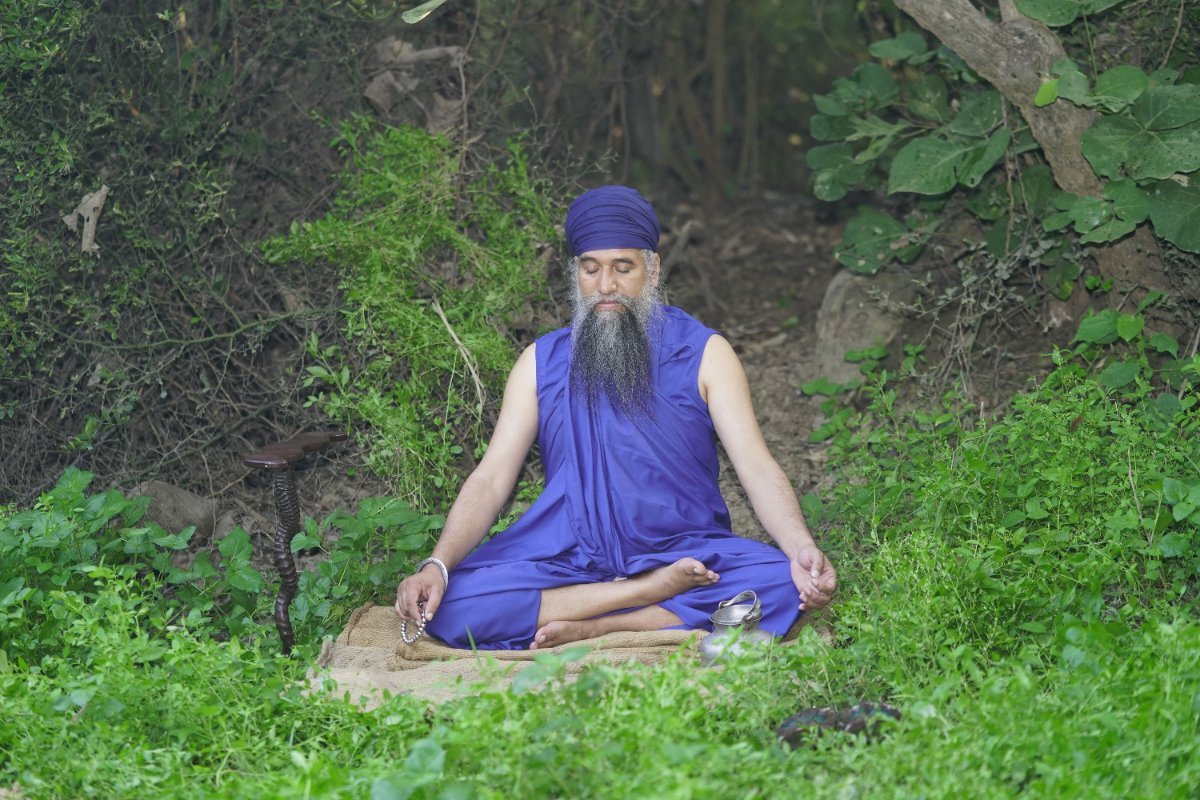
Meditation and Fasting in Nepal: Spiritual Cleansing Practices
In Nepal, the disciplines of the body and the disciplines of the mind have never been separate. The same valleys that sheltered forest sages thousands of years ago still hold communities that fast on lunar dates, sit in silence before dawn, and treat hunger itself as a teacher rather than an inconvenience. For travellers arriving from busy modern lives, pairing meditation in Nepal with a conscious fasting practice is one of the most direct ways to experience why this country has drawn seekers for centuries. This guide walks through the traditions, the logic, the places, and the safe way to practice so you can plan a cleansing journey that is grounded in real lineage rather than wellness trends.
Unlike commercial detox holidays elsewhere, fasting here is stitched into the living calendar. Devotees of Vishnu observe Ekadashi twice a month. Buddhist nuns and lay practitioners complete the two-day nyungne fasting rite dedicated to Avalokiteshvara. Women across the Kathmandu Valley dance and fast through Teej. Monks and serious meditators simply stop eating after noon, every day, as the Buddha instructed. When you join even a gentle version of these rhythms, you are not sampling a diet. You are stepping into a spiritual technology that has been tested across generations, in the Kathmandu Valley, in Lumbini, and in mountain hermitages, for a very long time.
Why Do Fasting and Meditation Work So Well Together?
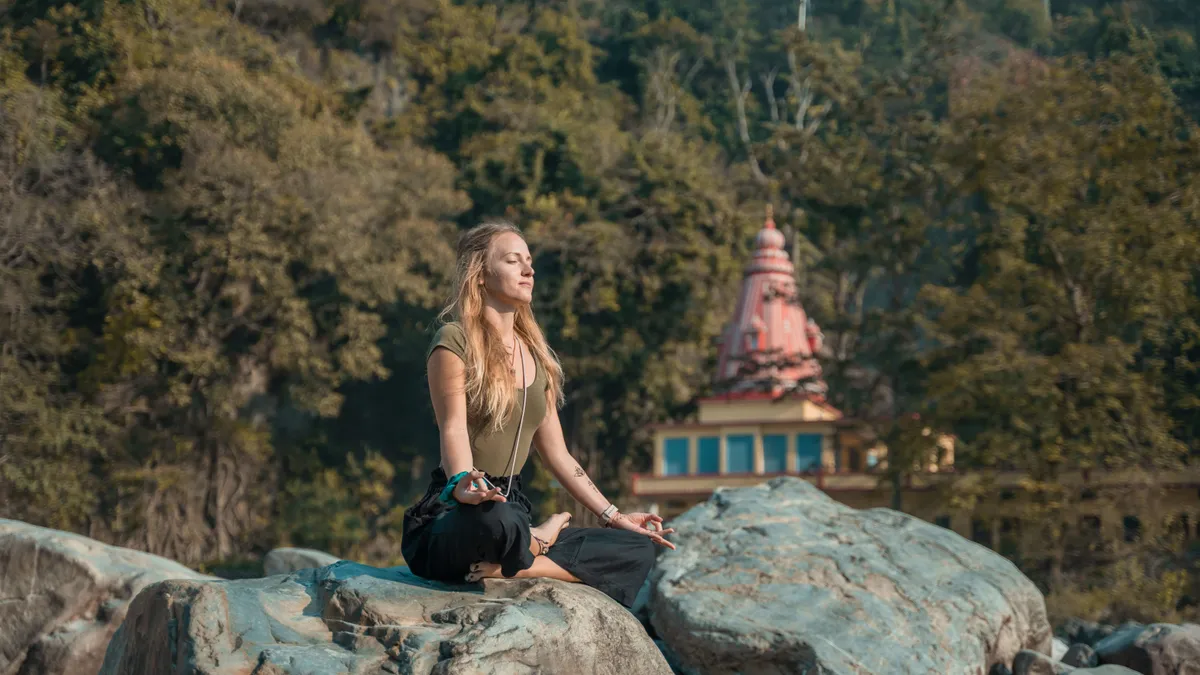
Fasting removes the heaviest physical load on the body, digestion, while meditation gives the freed attention a stable place to rest, and the two effects compound each other in a way practitioners describe as lightness turning into clarity. That is the short answer. The longer answer touches energy, habit, and the nature of the mind itself.
Traditional yogic physiology says it plainly: digestion consumes prana, the basic energy of life. When you eat lightly or pause eating, that energy is available for practice. Anyone who has sat for a long session on a full stomach knows the sluggish, foggy quality of a body busy processing a heavy meal. Now reverse the experiment. Sit at dawn, stomach empty, air cold, and watch how sharp the mind becomes. Nepali retreat teachers often schedule the longest sits before breakfast precisely because the mind is naturally luminous in that state.
There is also a subtler layer. Much of meditation is the art of observing wanting without obeying it. Hunger is the most honest wanting there is. It arrives on schedule, announces itself clearly, and responds visibly to how you relate to it. A day of conscious fasting becomes a laboratory for seeing how craving arises, peaks, and passes, which is exactly the skill that Vipassana practice in Nepal trains in longer form. You learn that most hunger is sensation, and sensation can be watched.
Finally, the two practices share a common enemy: constant stimulation. Snacking is stimulation. Scrolling is stimulation. Fasting clears one channel, meditation clears the other, and the result is a quiet that surprises people who thought they knew what rest meant. If you are new to contemplative travel, our beginner's guide to meditation in Nepal covers the basics of posture, timing, and expectations before you add fasting to the mix.
What Are the Spiritual Roots of Fasting in Nepal?
Fasting in Nepal draws on three interwoven streams, Hindu upvas or observance, Buddhist monastic discipline, and older shamanic purification rites, and each stream has its own logic for why going without food sharpens the inner life.
In the Hindu tradition, the Sanskrit word tapas means heat or austerity, the inner fire generated by voluntary restraint. The valley's calendars are built around it. Devotees fast on Ekadashi, the eleventh day of each lunar fortnight, as an offering to Vishnu. Mondays belong to Shiva, and many observers take only one meal. On Teej, married women and those seeking strong marriages fast through the day and night, often gathering at Pashupatinath in red saris to sing and dance their devotion. These are not private ascetic feats. They are communal, musical, and public, and travellers are welcome to witness them respectfully.
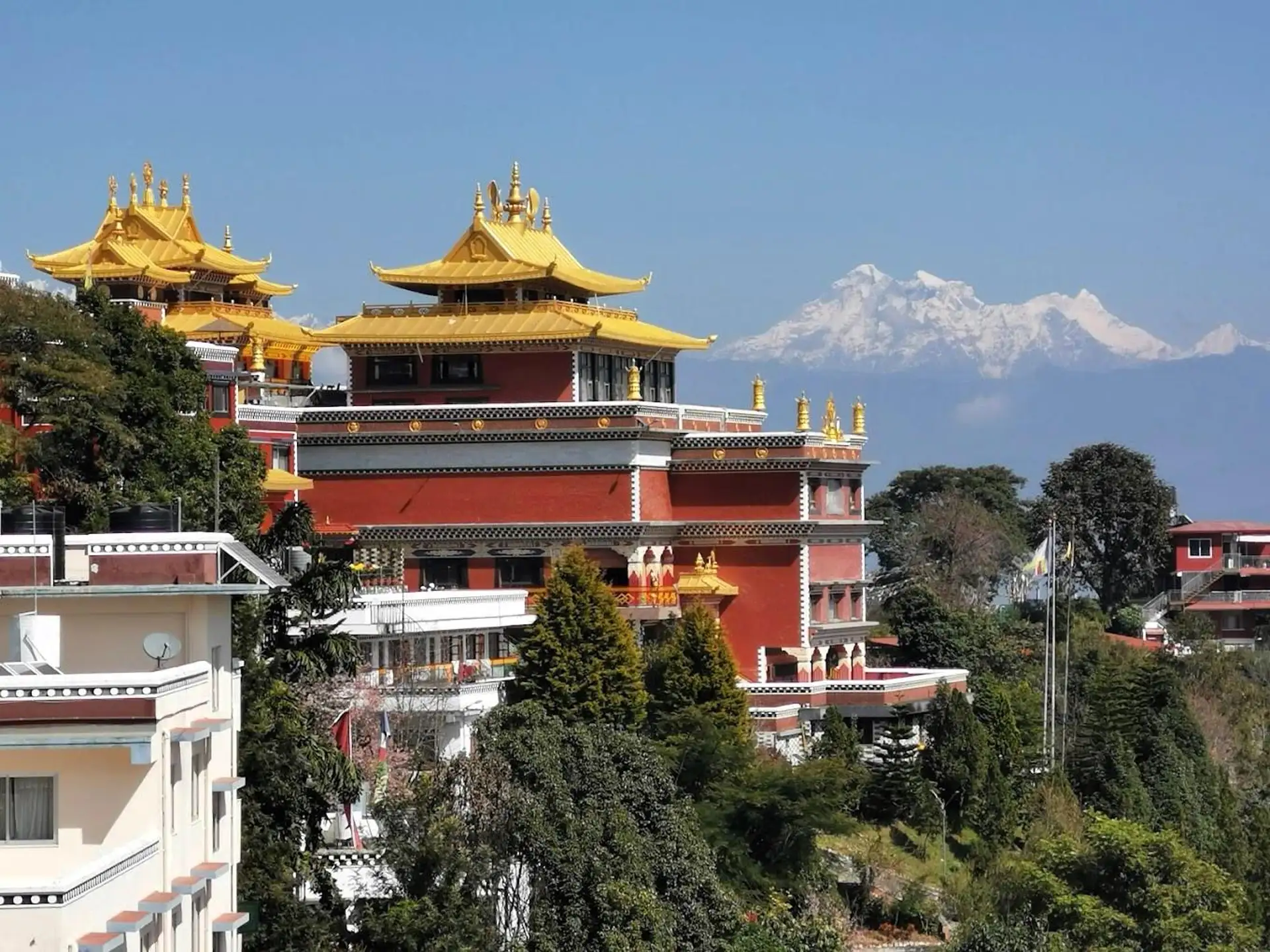
The Buddhist stream is quieter but no less strict. The historical Buddha spent years practising extreme fasting before rejecting it in favour of the Middle Way, a story every guide at Lumbini, his birthplace, will tell you. Yet he kept a disciplined container: monastics eat before noon and then close the kitchen. The point was never to punish the body but to protect the mind from the heaviness of evening feasting and from the distraction of managing food all day. Serious retreat settings in Nepal still follow this rhythm, and the history of meditation in Nepal is, in large part, the story of how this container was carried from India into the Himalayas and adapted in monastery, cave, and village.


Beneath both streams lies an older instinct, visible in the shamanic and Bon-related purification practices of the high hills, where fasting, cold water, smoke, and vigils prepare a person to encounter the sacred. Modern travellers rarely go that far, and should not try. But it explains something you will feel in Nepal: restraint is not framed as deprivation. It is framed as preparation.
Which Fasting Traditions Will You Encounter in Nepal?
Most visitors encounter five fasting forms in Nepal: Ekadashi and other lunar upvas days, the Teej women's fast, the two-day Buddhist nyungne rite, the monastic no-food-after-noon rhythm, and Ayurvedic guided lightening therapies done under supervision.
Hindu upvas and the Ekadashi rhythm
Ekadashi falls twice each lunar month and is the most widely kept fasting day among Nepali Hindus. Observance ranges from a complete fast with water to a day of fruit and milk. Temples fill through the evening, and the atmosphere, lanterns, bells, quiet conversation, is itself a form of practice. If your dates are flexible, aligning your retreat with an Ekadashi lets you experience both the private discipline of the day and the public warmth of the night.
Teej, the festival fast
Falling in the monsoon late summer, Teej is the most visible fast in the country. Women fast for the well-being of husbands and families, gather in red at temples, and dance for hours. It is joy disguised as austerity, and it resets the popular assumption that fasting must be grim. Watching Teej at Kathmandu's Pashupatinath or in the Bhaktapur old town is one of the great cultural experiences of the Nepali year.
Nyungne, the Buddhist fasting rite
Nyungne is a two-day Tibetan Buddhist practice of Avalokiteshvara, the embodiment of compassion. Practitioners keep precepts, recite mantra through the day, and on the second day maintain complete silence and a complete fast, taking neither food nor water until the following dawn. It is demanding and deeply loved. Tibetan Buddhist monasteries in the Kathmandu Valley hold nyungne sessions around auspicious dates, and respectful visitors can sometimes observe portions. Joining the full rite is a decision for experienced practitioners, but its lesson is available to anyone: fasting here is devotion, not dieting.
The noon-until-dawn monastic rhythm
The quietest option, and the one most meditation retreats in Nepal approximate, is simply eating your last solid food in the early afternoon. Ten-day silent retreats in Nepal and monastery-stay programs often serve two meals, the second before noon, with light tea in the evening. Participants are frequently surprised by how quickly the body adapts and how stable the meditation becomes. Learning the etiquette of monastery life in advance helps a lot, and a half-day monastery etiquette and meditation session in Kathmandu is an easy first step.
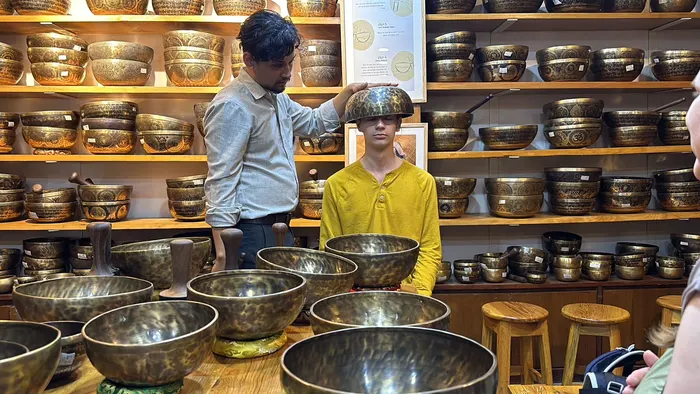
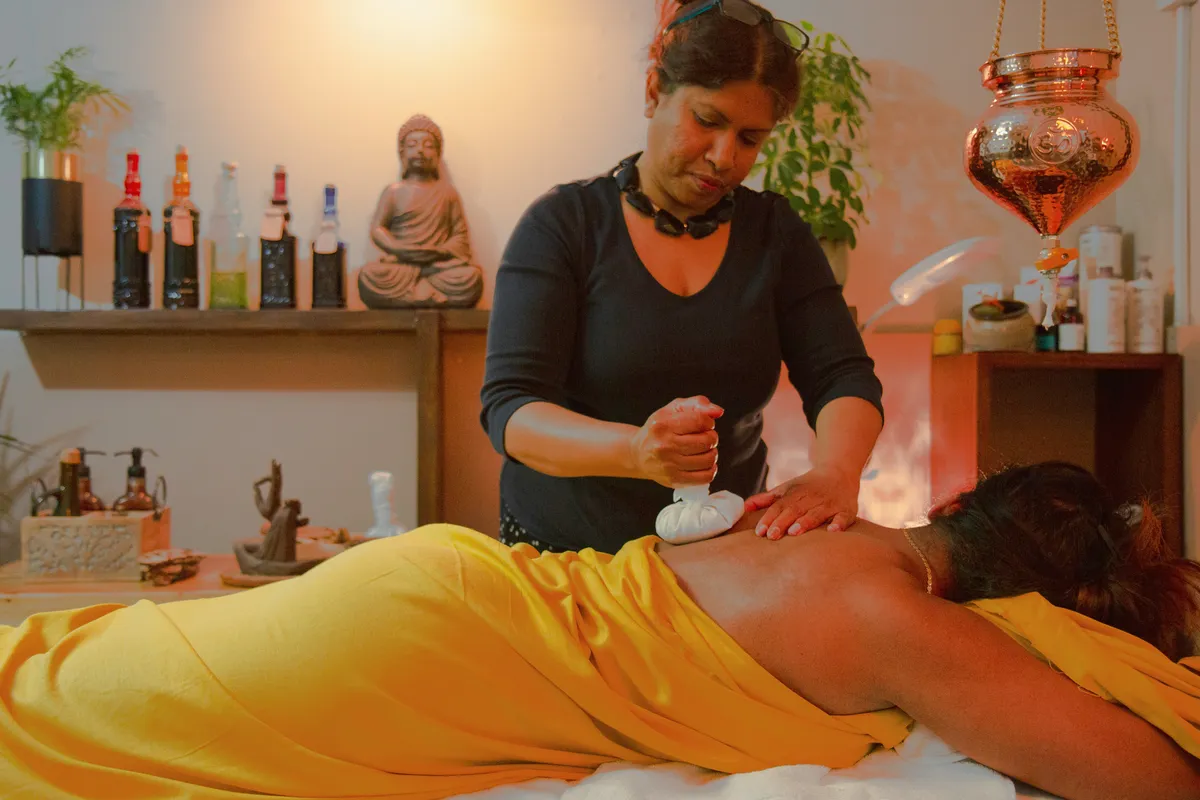
Classical Ayurveda includes langhana, the family of lightening and cleansing therapies, of which food restriction is one tool among several, applied under a practitioner's eye. In Nepal these appear within longer Panchakarma-style programs rather than as stand-alone fasts. Our guide to meditation and Ayurveda in Nepal explains how these traditions merge, and the Ayurvedic massage and wellness spa experiences in the valley are a gentle, well-supervised introduction to therapeutic rest.
How Does Fasting Deepen Meditation?
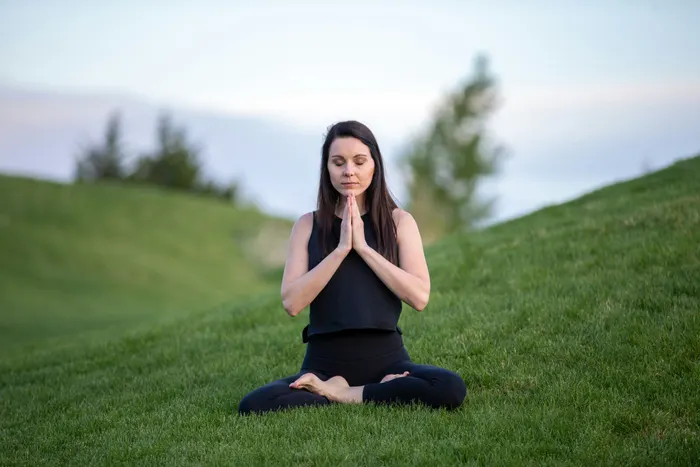
Fasting deepens meditation by giving the mind a smaller, cleaner world to work with, fewer flavours to chase, fewer spikes of blood sugar, fewer post-meal troughs, so attention naturally settles at subtler depths.
Experienced teachers in Nepal frame it as sharpening the signal. When the body is not processing a steady stream of input, the background noise drops, and things usually hidden become audible: the actual texture of the breath, the flicker of moods, the way a single thought can hijack an hour. A fasting day makes those movements bigger and easier to study. Hunger arrives as a wave with a beginning, a peak, and an end. Watching one wave completely teaches more than reading ten books about impermanence.
The physiological side is real too, though teachers rarely talk about it. Research on intermittent fasting increasingly points to effects on alertness and markers of brain health, and meditators notice the practical version: early-morning practice on an empty stomach feels clean-burning, like a well-tuned stove. Combined with breathwork, the effect strengthens further, and our guide to pranayama and breathwork in Nepal explains why the breath is the perfect companion discipline on fasting days.
There is also an emotional layer that surprises many travellers. Without food as a comfort, suppressed feelings surface. A fasting retreat is as much an emotional cleanse as a physical one, which is why structured settings with teachers matter, and why practices like meditation for anxiety relief in Nepal overlap so much with cleansing retreats. What you feel on an empty stomach is more of the truth. Meditation gives you a way to sit with it kindly.
Where Can You Practice Meditation and Fasting in Nepal?
The strongest fasting-meditation settings in Nepal cluster in four places: the monasteries and retreat centres of the Kathmandu Valley, the sacred gardens of Lumbini, the lakeside retreats of Pokhara, and the high hermitages of the Himalayan ridgelines.
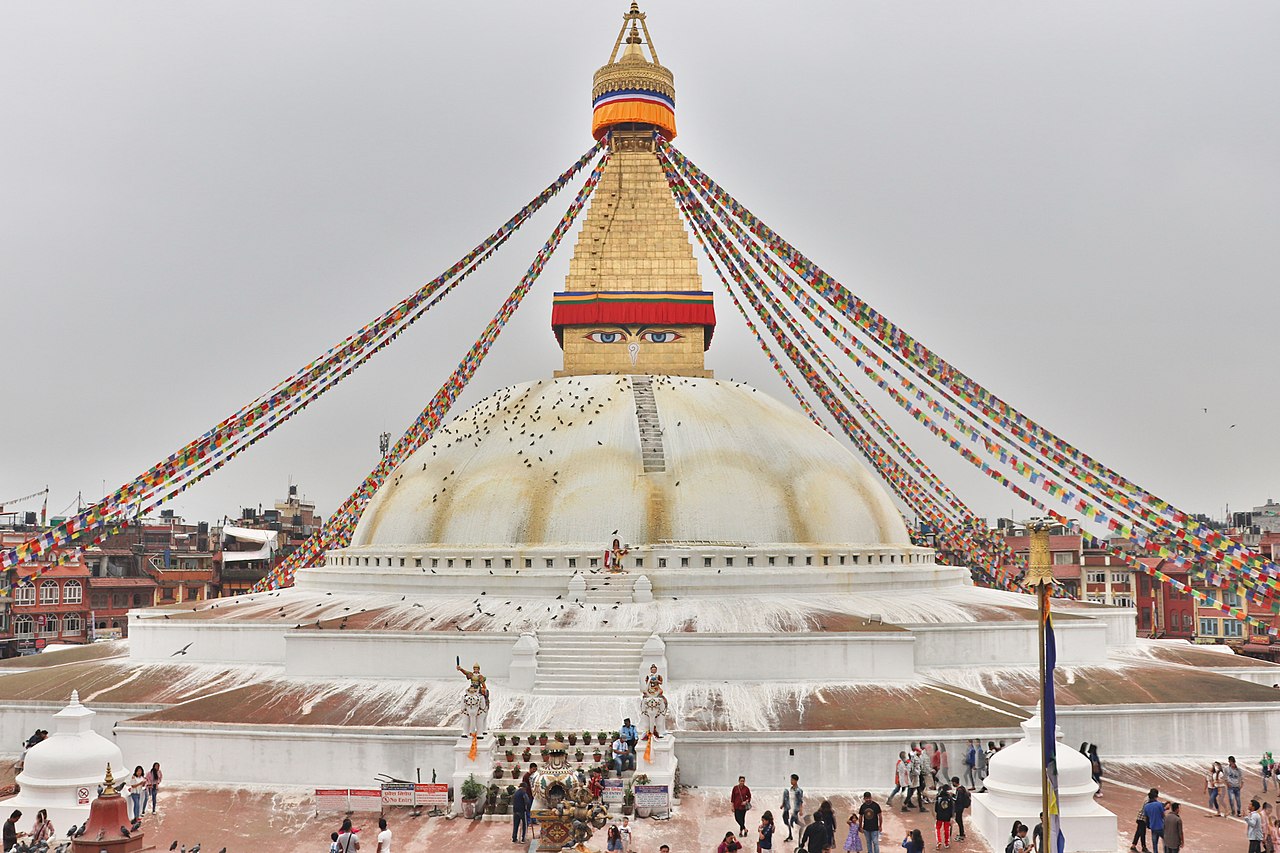
The Kathmandu Valley is the practical heartland. Within an hour of your hotel you can sit in a Tibetan monastery on the valley rim, attend a Hindu aarati in the evening, and book a guided wellness day in between. Boudhanath's circumambulation path fills with practitioners at dawn, and the surrounding guesthouses host short retreats that pair simple eating with teaching. If you want a structured immersion with options for every budget, our complete guide to cultural and spiritual tours in Nepal maps the valley's sacred sites and how to combine them.


Lumbini offers something the valley cannot: simplicity. The sacred garden where the Buddha was born is quiet, flat, and built for walking meditation, and the surrounding monasteries run programs that follow the traditional two-meals-before-noon rhythm. For practitioners who want to feel the roots of the tradition in the body, not just read about them, a few days in Lumbini with a light diet and slow walking practice is hard to beat.
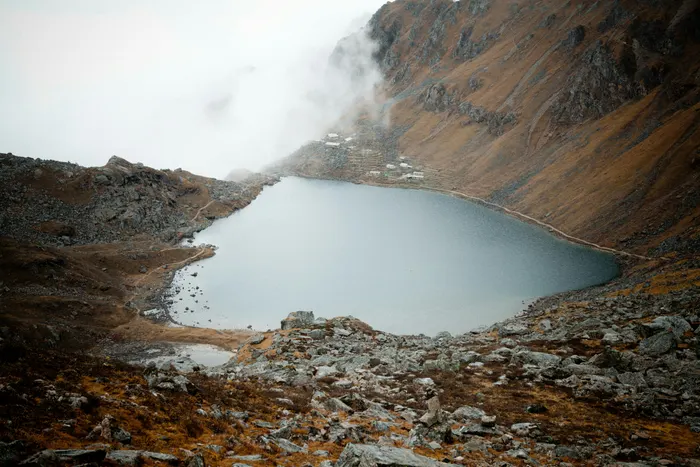
Pokhara is where fasting-meditation meets comfort. Lakeside retreat centres run gentle juice-and-meditation and yoga-and-cleanse programs against the backdrop of the Annapurna range, and the flat lake path is ideal for walking meditation between sits. Finally, for experienced practitioners, mountain settings from the pilgrimage lake of Gosaikunda to remote hermitage valleys offer the deepest silence, but altitude and fasting interact, and these should only be attempted with guidance. If a mountain program is part of a longer trekking itinerary, our guide to planning a trek in Nepal with a local agency covers the logistics you need to combine practice days safely with trail days.

What Does a Fasting and Meditation Day Look Like?
A typical retreat day in Nepal moves from sitting to walking to eating to sitting again, with the last solid food in the early afternoon, so that evening practice happens in a body that is light and quiet.
Dawn, around five or six, is the first sit, often thirty to forty-five minutes, when the air is cold and the mind is clearest. A light breakfast follows, sometimes only porridge and tea. Mid-morning brings teaching or mantra practice, and at many centres this is the heart of the day: a lama or senior teacher explains a practice you then go and test in your own sitting. The main meal is taken before noon, and it is deliberately simple, dal, rice, vegetables, soup, enough to sustain the body without inducing heaviness. The afternoon belongs to walking meditation and rest. As the light fades, centres often hold an evening aarati, a lamp and chant ceremony that turns the day's discipline into devotion. The final sit is short, and people report sleeping deeply on this rhythm within two or three days.
Notice what is absent. There is no agonizing willpower battle, because the schedule carries you. There is no evening meal to negotiate, because the kitchen is simply closed. Structure, not strain, is what makes fasting workable for ordinary travellers, which is also why we recommend choosing an established program rather than improvising. Our guide to how to choose a meditation retreat in Nepal walks through the questions to ask about teacher lineage, supervision, and food before you commit.

Is Fasting While Travelling in Nepal Safe?
For most healthy adults, gentle fasting forms in Nepal, a missed evening meal, a fruit-and-tea day, or a retreat's two-meal rhythm, are safe and manageable, but extended water-only fasts, high-altitude fasting, and unsupervised multi-day restriction are genuinely risky and should not be attempted by tourists.
Be clear about who should not fast at all without medical supervision: anyone who is pregnant or breastfeeding, anyone with diabetes or blood-sugar conditions, anyone with a history of eating disorders, anyone taking medication that must be taken with food, and anyone underweight or recovering from illness. If any of these apply to you, enjoy meditation programs fully and let fasting wait. This is not a disclaimer for its own sake. Restriction is a real intervention, and the Himalayan traditions themselves never treated it as casual.
Altitude deserves a special warning. Above roughly 2,500 metres your body is already working harder for oxygen and recovery. Combining trekking days with fasting is a poor trade: you gain a little mental sharpness and lose a lot of physical safety margin. Acclimatization demands fuel. If you feel called to cleanse, do it in the valley cities before or after your trek, not on the trail. And under all conditions, keep hydrating. Nepali winters are dry, and the classic mistake of visitors is restriction without water.
A few practical safeguards: taper caffeine and sugar in the days before arrival so the withdrawal does not land on top of fasting; tell the retreat centre about any medical conditions; keep an electrolyte solution in your bag; and have a refeeding plan that starts with simple soups rather than a celebration feast. Retreat centres in Nepal see thousands of international guests and screen for these issues routinely. Being honest on their intake forms is part of the practice.
How Do You Prepare for a Fasting Retreat?
Preparation is mostly subtraction: cut stimulants gradually, simplify your diet for a week, and arrive with the practical kit that makes a retreat day easy, which is a smaller list than most people pack.
Start a week out by dropping coffee, black tea, and sugary snacks. Arriving caffeinated and then fasting guarantees a headache that you will mistake for hunger. Shift toward simple food at home, rice, soups, cooked vegetables, so the retreat kitchen's plainness feels familiar rather than austere. Read up on what you are entering: our meditation retreat packing list for Nepal covers the clothing, thermos, and small comforts that matter, from warm socks for dawn sits to a notebook. If you are travelling as a couple, discuss expectations honestly, since retreat silence can surprise relationships, and our guide to couples meditation retreats in Nepal helps design a shared version of the journey. Solo travellers should read the solo meditation travel guide for safety logistics and the difference between solitude and isolation.
Budget honestly. A valley day program costs a fraction of a boutique juice resort, but multi-day guided retreats with genuine teachers are worth their price. The budget meditation guide lists affordable and free options including monastery-hosted programs, while the luxury meditation retreat guide covers high-end houses where fasting-meditation comes with proper medical oversight, a combination worth paying for if you have any health question marks. Families considering a shared experience will find realistic age guidance in the family meditation retreat guide.
A Gentle Three-Day Practice You Can Begin With
A safe sampler for healthy travellers is a three-day arc, one day of simple eating, one day of light restriction, one day of easing back, with sitting practice throughout, done best at a valley retreat or guesthouse rather than on a trail.
Day one is preparation, not fasting. Eat three simple vegetarian meals, finish the last one by early evening, and sit twice for twenty minutes, morning and night. Walk twenty minutes after the midday meal at an unhurried pace. The purpose is to flatten the spikes so that day two is readable.
Day two is the light fast. Take a small breakfast of porridge or fruit before nine, then through the day drink water, lemon water, and clear teas, and nothing else until a simple evening soup. Sit three times, twenty to thirty minutes each: dawn, mid-afternoon, and evening. Expect hunger to arrive in waves, usually around the hours you normally eat, and treat each wave as the practice itself: locate it in the body, breathe with it, watch it pass. Keep the day quiet. This is a good moment to use guided meditation sessions with local teachers rather than pushing through alone, and to keep a short journal, a habit explored in our guide to meditation and journaling in Nepal.
Day three is refeeding and reflection. Break the fast gently with porridge or khichdi, not a plate of momos, and sit once more to notice how different a settled stomach feels in practice. Then write down what you observed about hunger, energy, and mood. Most people report that day two was easier than feared and that the clarity around the evening sit was the most memorable part. If the arc suits you, the natural next step is a structured 3-day or 6-day retreat where the rhythm is held by teachers rather than willpower, and our overview of meditation and detox in Nepal connects this sampler to deeper supervised programs.
Following the Lunar Fasting Calendar in Nepal
Aligning your visit with the lunar calendar multiplies what you can witness, because Nepal's fasting culture moves with the moon: Ekadashi twice a month, full moon upvas at sites like Pashupatinath, new moon observances, and festival fasts like Teej in the monsoon and Shivaratri's vigil in late winter.
Travellers who time a Kathmandu stay around a full moon often describe it as the highlight of the trip. Boudhanath and Swayambhunath fill with families circumambulating in the evening, butter lamps accumulate at the base of stupas, and the sense of a whole society practising together is unmistakable. Ekadashi days are quieter but more intimate, temple courtyards humming with recitation while daily life continues around them. Shivaratri, when thousands of pilgrims keep vigil at Pashupatinath, is intense, crowded, and unforgettable, best experienced with a guide who can read the crowd for you. For the purest version of silence, the days just after major festivals are ideal, when the crowds leave and retreat centres return to stillness. To place a cleansing retreat in the right month for weather, flight reliability, and the ritual calendar at once, read our month-by-month Nepal weather and visibility guide, which breaks the year into the same seasonal windows mountain travellers use to plan around the monsoon.
Bringing the Practice Home
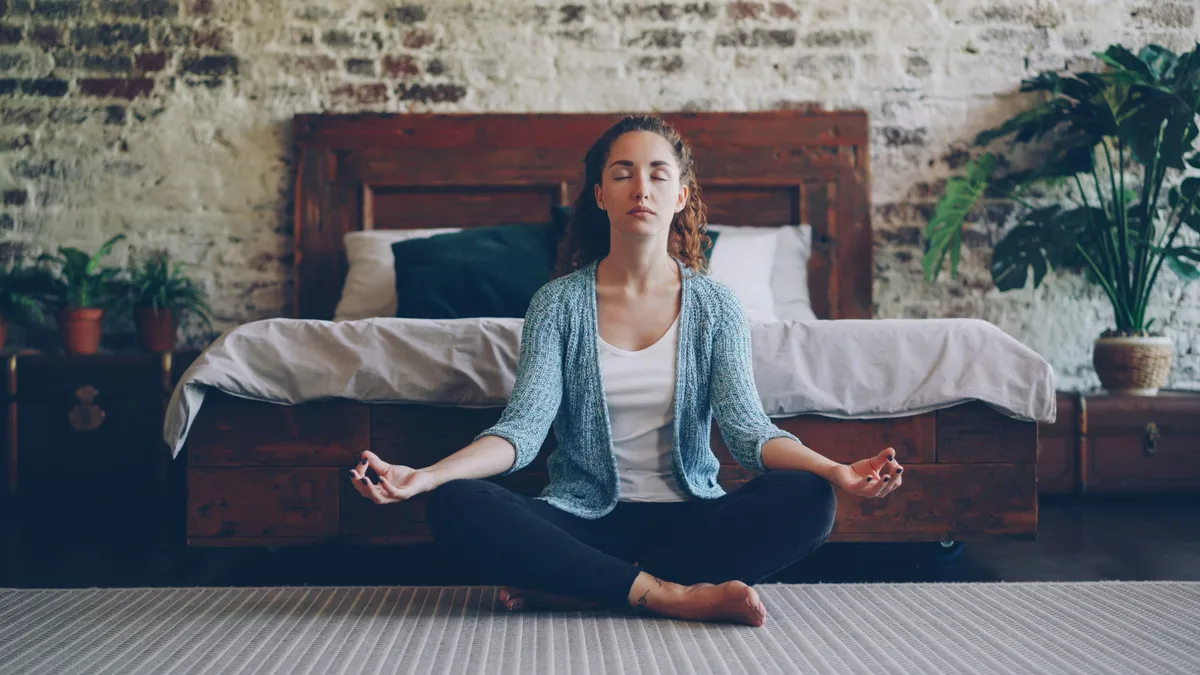
The point of a fasting-meditation journey is not the trip. It is the rhythm you carry back, and Nepal's traditions are unusually portable because they are built on calendar rhythms and kitchen rhythms rather than exotic settings.
Keep one Ekadashi-style day a month: simple food, a smaller evening, two sits. Keep a weekly quiet evening, phone off, light meal, longer practice, and you will have transplanted the valley's essential pattern into your normal life. Many returning travellers anchor the habit with a brief daily session, and our guide to building a daily meditation practice exists for exactly this transition. If sleep, stress, or low mood was part of why you came, follow the threads on meditation for sleep and mindfulness for stress relief, and consider sound-based practices, covered in our sound healing meditation guide, as a way to keep the cleansing feeling alive at home. The Buddha's own conclusion was balance: not indulgence, not punishment, but a Middle Way that can be walked in Kathmandu, Lumbini, or your own kitchen. Nepal's gift to seekers has always been the demonstration, not the secret.
Whether you keep one quiet Ekadashi in a Kathmandu guesthouse or complete a full retreat rhythm under a teacher's eye, meditation and fasting in Nepal offers something rare: a cleansing path that has been walked, tested, and lovingly maintained by generations of practitioners, and one that is still entirely open for you to join. Come with a light bag, an honest appetite for truth, and the willingness to skip a few meals for the sake of seeing clearly.