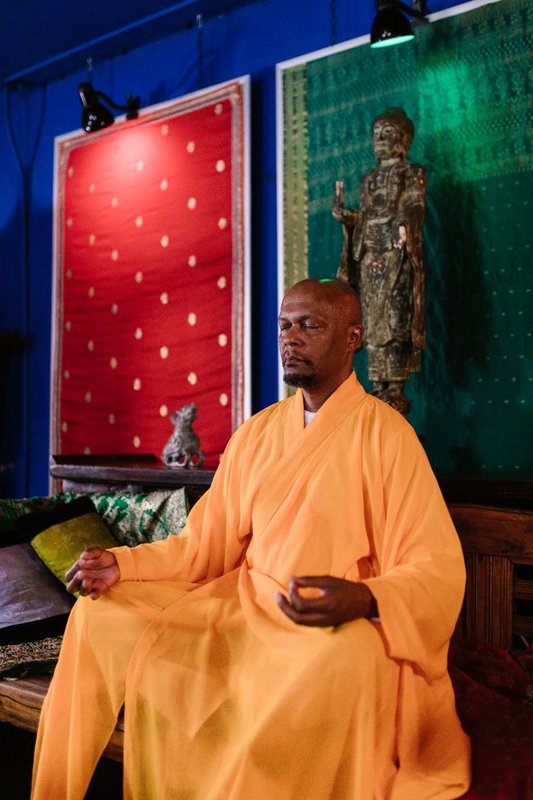
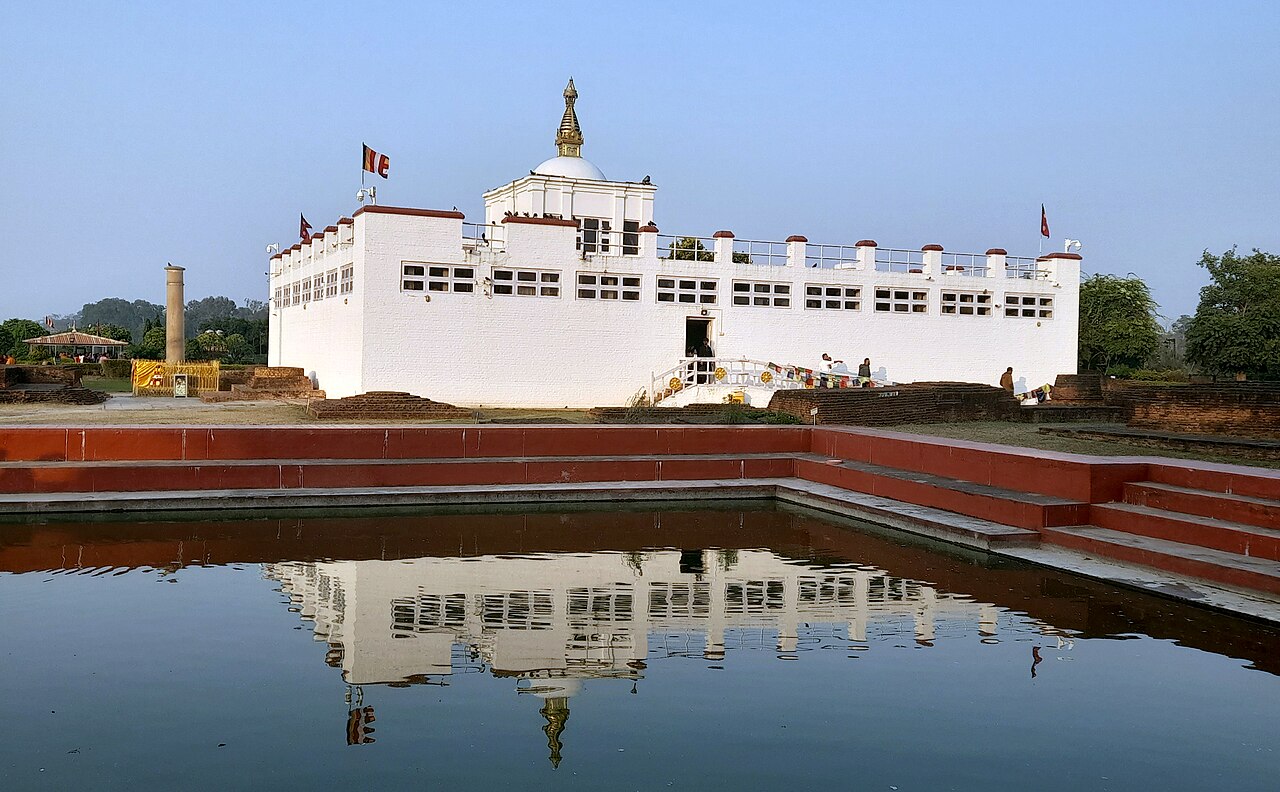
Nepal has been a destination for spiritual seekers for thousands of years. From the plains of Lumbini where Buddha was born to the high Himalayan valleys where yogis meditated in caves, this land carries an unbroken lineage of contemplative practice. Today, that heritage has evolved into structured meditation teacher training in Nepal programs that equip practitioners with the skills, philosophy, and confidence to teach meditation themselves.
Whether you are a dedicated practitioner ready to deepen your practice or a wellness professional looking to add meditation instruction to your toolkit, Nepal offers something that no other country can replicate: authentic lineage-based teaching in the very landscape where these traditions were born. This guide walks you through everything you need to know about meditation teacher training certification and courses in Nepal for 2026 and beyond.
Why Choose Nepal for Meditation Teacher Training?
Nepal stands apart from other meditation training destinations for several reasons that go beyond scenery and cost. The country sits at the crossroads of Hindu and Buddhist spiritual traditions, and both have coexisted and influenced each other here for over two millennia. This means your training can draw from a richer well of contemplative knowledge than a single-tradition program elsewhere.
The living tradition is perhaps the most compelling reason. When you train in Nepal, you are learning from teachers who grew up in these practices, not from someone who took a weekend course and then built a curriculum around it. Monasteries in the Kathmandu Valley still teach the same Vipassana techniques that were practiced centuries ago. Yoga ashrams in Pokhara still follow the traditional Gurukul system where students live with their teacher and absorb not just techniques but a way of life.
The cost advantage is significant too. A 200-hour meditation teacher training in Nepal typically costs between $800 and $2,500, including accommodation and meals. The same program in Europe or North America can run $3,000 to $6,000 without housing. This makes Nepal accessible to practitioners at different budget levels, and the savings can be reinvested in extended study or retreat time.
For context on planning a broader spiritual journey, our complete guide to cultural and spiritual tours in Nepal covers heritage sites, pilgrimage routes, and how to combine training with travel. If you are also considering trekking before or after your course, the best trekking agency guide for Nepal in 2026 helps you choose a reliable operator for Himalayan adventures.



What Types of Meditation Teacher Training Are Available in Nepal?
Nepal offers several distinct tracks for meditation teacher training, each rooted in a specific tradition and designed for different teaching goals. Understanding these differences helps you choose the program that aligns with your practice and career intentions.
Vipassana Teacher Training
Vipassana, meaning "to see things as they really are," is one of India's most ancient meditation techniques. In Nepal, Vipassana training follows the tradition taught by S.N. Goenka, with 10-day silent retreats serving as the foundation. Teacher training builds on this base with extended practice periods and pedagogical instruction. Centers like the Kathmandu Vipassana Center and Lumbini International Vipassana Center offer structured pathways for those who have completed multiple 10-day courses and wish to deepen into teaching roles. For a detailed breakdown of the silent retreat experience, read our complete guide to Vipassana meditation in Nepal.
Buddhist Meditation Teacher Training
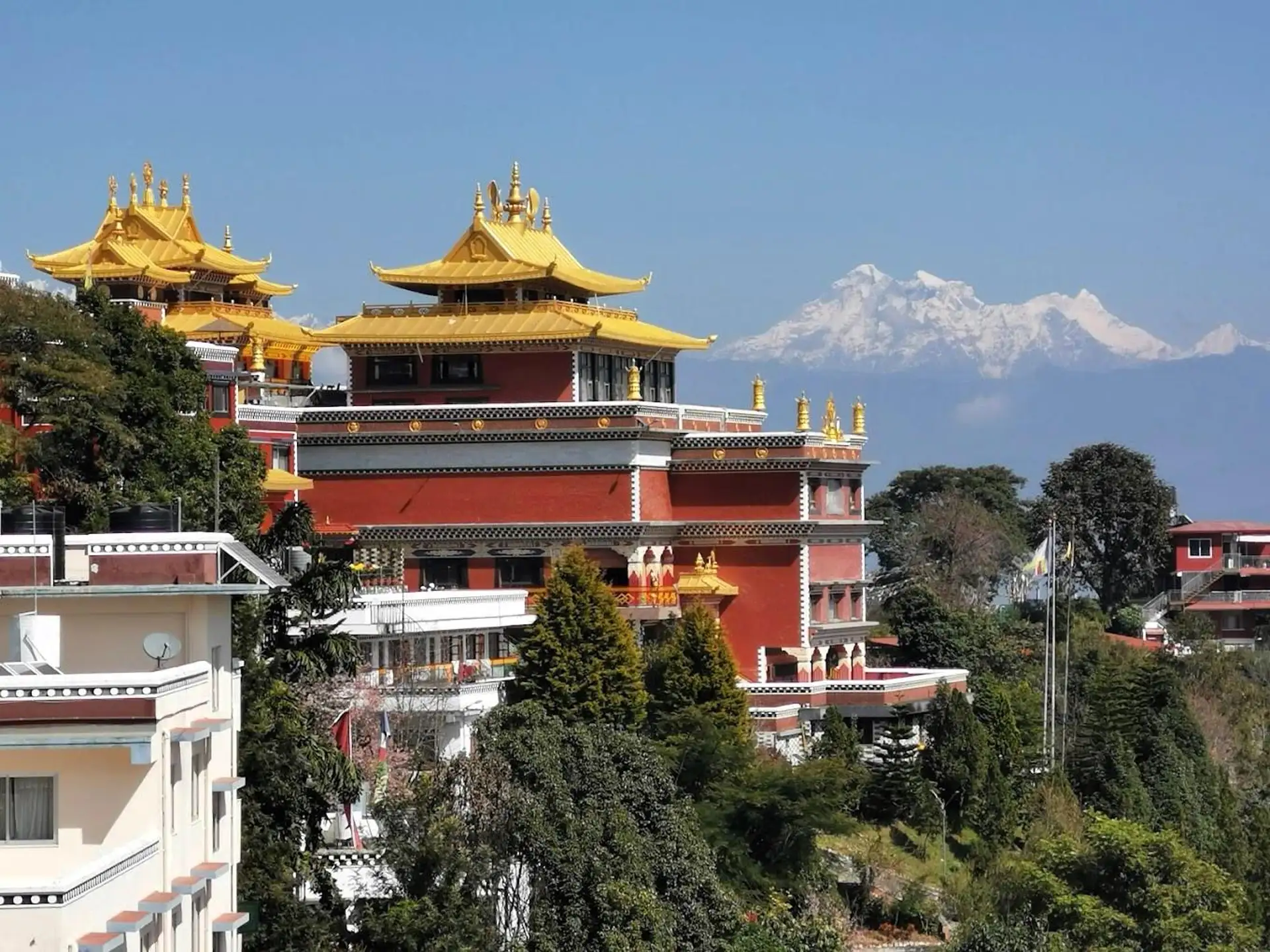
Buddhist meditation training in Nepal draws from Theravada, Mahayana, and Vajrayana traditions. Kopan Monastery, perched on a hilltop above Boudhanath, is the most well-known center for Tibetan Buddhist meditation courses. Their teaching lineage comes directly from the Gelug tradition of Tibetan Buddhism, and courses range from introductory weekends to multi-month Lamrim study programs. Monastery stays give you direct experience of communal practice, daily chanting, and philosophical study. Learn more about the monastery experience in our guide to Buddhist meditation in Nepal.

Yoga and Meditation Integrated Training
Many teacher training programs in Nepal combine yoga asana, pranayama, and meditation into a single certification. These 200-hour or 500-hour Yoga Alliance registered programs are popular because they produce teachers who can offer both movement-based and stillness-based practices. Centers in Pokhara and Kathmandu specialize in this integrated approach, drawing from the Himalayan yoga tradition. If you are weighing yoga-focused versus meditation-focused training, our guide to yoga and meditation retreats in Nepal compares the two paths.

Mindfulness and Secular Meditation Training
For those who want to teach meditation in clinical, corporate, or secular settings, Nepal also offers mindfulness-based teacher training. These programs adapt traditional techniques into non-religious frameworks similar to MBSR (Mindfulness-Based Stress Reduction). The training emphasizes evidence-based approaches, group facilitation skills, and trauma-sensitive mindfulness. Our guide to mindfulness meditation in Nepal covers the secular practice landscape in detail.

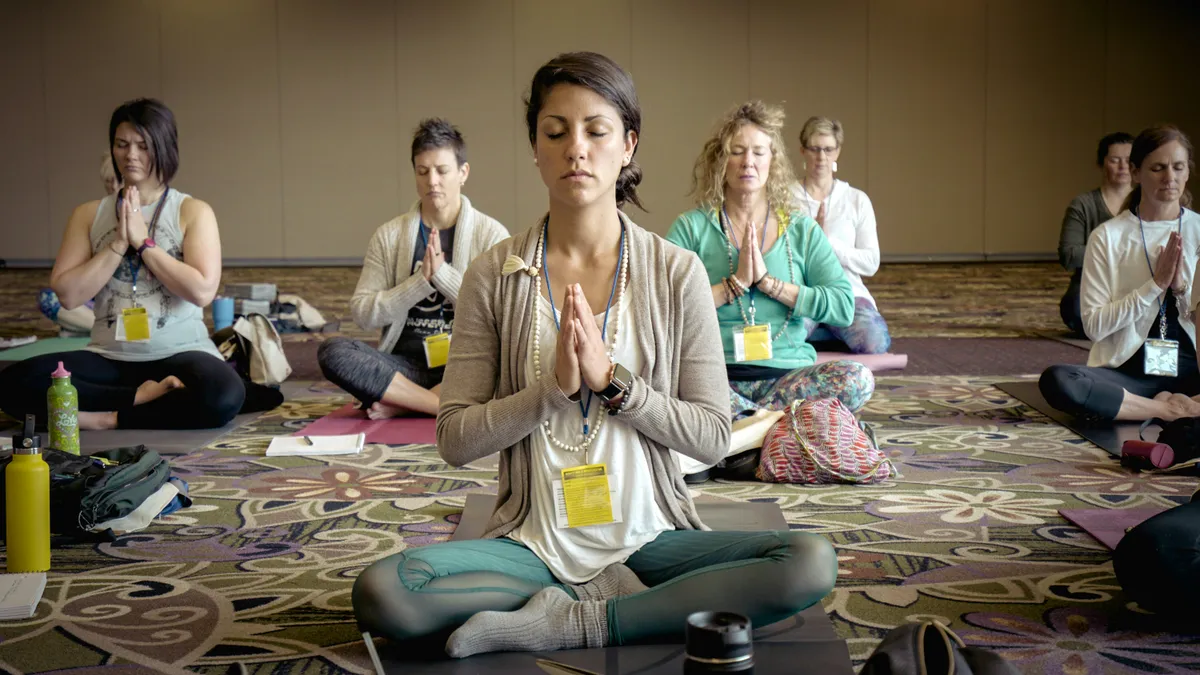
How Long Does Meditation Teacher Training Take in Nepal?
Program lengths vary significantly depending on the tradition, depth of study, and certification level. Most training programs fall into one of four categories, each serving a different stage of a practitioner's journey.
Short Intensive Programs (7 to 14 Days)
These condensed programs offer a fast track to basic meditation instruction skills. They are ideal for experienced practitioners who want to formalize their ability to guide others. A typical 10-day intensive includes 8 to 10 hours of daily practice, study, and teaching exercises. You should arrive with an established personal practice of at least one year before considering this format. The intensity is real: most days begin before dawn and end after evening meditation.
200-Hour Certification (21 to 30 Days)
The 200-hour program is the industry standard for meditation teacher training. It covers meditation techniques, teaching methodology, anatomy and physiology of meditation, philosophy, and ethics. Most 200-hour programs in Nepal run as residential intensives over three to four weeks. This format allows for immersive practice without the distractions of daily life. The residential setting also builds community among trainees, which is valuable for future teaching support networks.
300-Hour and 500-Hour Advanced Training (30 to 60 Days)
Advanced training builds on the 200-hour foundation. The 300-hour program focuses on specialized techniques, advanced teaching skills, and deeper philosophical study. A 500-hour certification combines the 200-hour and 300-hour into a comprehensive credential. These programs often allow flexible scheduling, with modules spread over multiple visits to Nepal. Some practitioners complete their advanced training over two or three trips, returning each year for a new module.
Long-Term Monastery Training (3 to 12 Months)
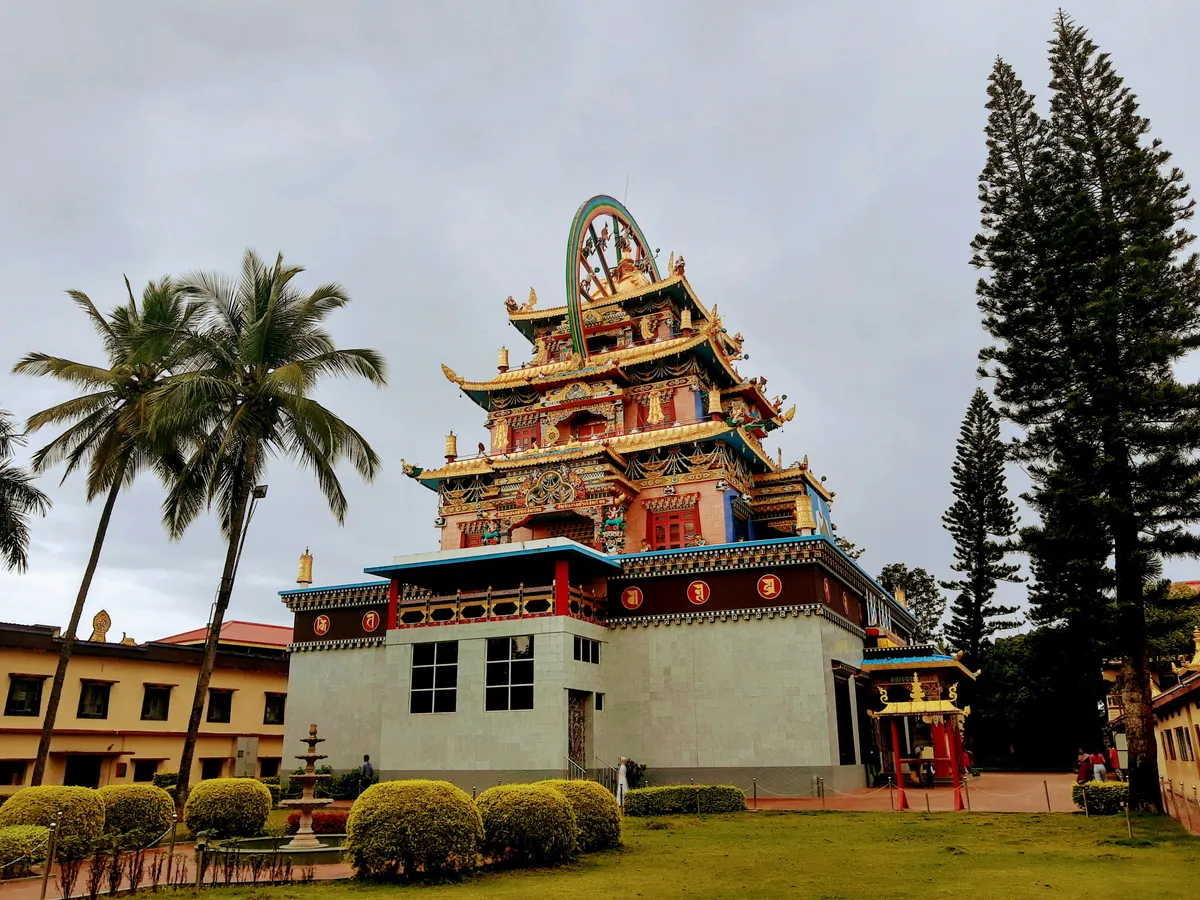
For the most dedicated practitioners, long-term monastery training offers the deepest immersion. You live as a member of the monastery community, participating in daily practice schedules, teachings, and service. This path does not always result in a formal teaching certificate, but it provides the most authentic grounding in traditional practice. Kopan Monastery and several other centers offer structured long-term programs with clear progression milestones.
What Will You Learn in a Meditation Teacher Training Course?
A comprehensive meditation teacher training curriculum in Nepal covers five core areas. Each area builds on the others to create a well-rounded teacher who can guide students safely and effectively.
1. Meditation Techniques and Personal Practice
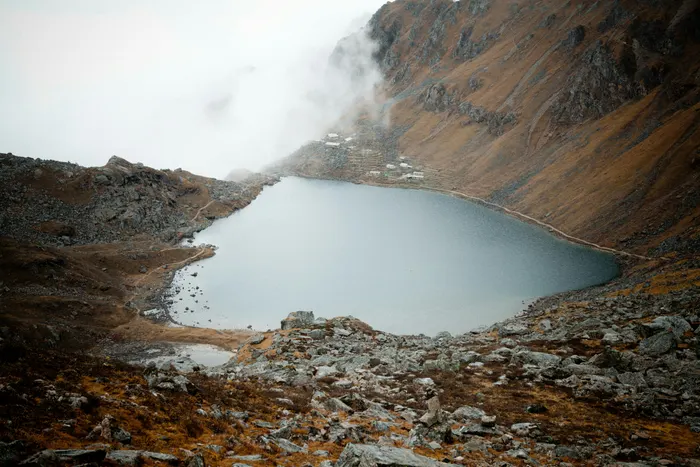
You will learn and practice multiple meditation techniques, including Vipassana (insight), Samatha (concentration), Metta (loving-kindness), walking meditation, and body scan. The emphasis is on developing your own practice first, because you cannot teach what you have not embodied. Expect to meditate for 4 to 6 hours daily during training, with guided sessions transitioning to self-directed practice as the course progresses. If you are new to meditation, our beginner's guide to meditation in Nepal provides foundational context.
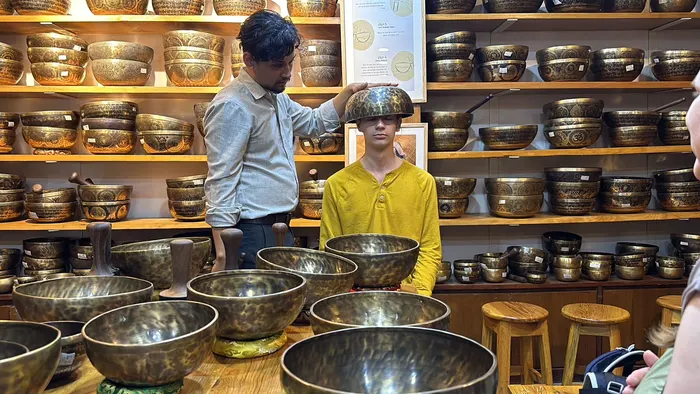
2. Teaching Methodology
Learning to meditate and learning to teach meditation are different skills. Teaching methodology covers how to structure a class, guide meditation verbally, manage group dynamics, handle student questions, modify techniques for different populations, and create a safe container for practice. You will practice teaching from the first week, starting with short guided sessions for fellow trainees and building to full-length classes by the end of the course.
3. Philosophy and History
A working knowledge of the philosophical foundations of meditation is essential for any teacher. Training programs in Nepal cover Buddhist philosophy (the Four Noble Truths, the Eightfold Path, the Abhidhamma), Patanjali's Yoga Sutras, and the historical development of meditation traditions in the Himalayan region. For a deeper dive into how these traditions evolved, read our guide to the history of meditation in Nepal.
4. Anatomy and Physiology of Meditation
Modern meditation teachers need to understand what happens in the body and brain during practice. This module covers the nervous system response to meditation, the effects on brain structure (neuroplasticity), the breath-mind connection, and contraindications for specific health conditions. While not a medical course, this training gives you the vocabulary and understanding to speak credibly about the benefits of meditation and to recognize when a student needs a referral to a healthcare professional.
5. Ethics and Professional Practice
Teaching meditation involves a power dynamic that must be handled ethically. Training programs cover the student-teacher relationship, boundaries, confidentiality, cultural appropriation vs. appreciation, and how to build a sustainable teaching practice. These discussions are often the most valuable parts of the course because they prepare you for real-world situations that technique practice alone does not address.
How Much Does Meditation Teacher Training Cost in Nepal?
One of the main reasons practitioners choose Nepal for teacher training is the cost advantage. Prices vary by program length, center reputation, accommodation quality, and what is included. Here is a breakdown of typical costs for 2026.
| Program Type | Duration | Cost Range (USD) | Usually Includes |
|---|---|---|---|
| Short Intensive | 7 to 14 days | $400 to $1,200 | Course fee only |
| 200-Hour Certification | 21 to 30 days | $800 to $2,500 | Accommodation, meals, materials |
| 300-Hour Advanced | 30 to 45 days | $1,200 to $3,500 | Accommodation, meals, materials |
| 500-Hour Combined | 45 to 60 days | $2,000 to $5,500 | Accommodation, meals, certification |
| Monastery Long-Term | 3 to 12 months | $300 to $600/month | Room, meals, teachings (dana basis) |
Note that monastery training often operates on a donation (dana) basis, meaning the listed cost is a suggested contribution rather than a fixed fee. This makes long-term practice accessible to those with limited funds. For help evaluating different program options, our guide on how to choose a meditation retreat in Nepal includes a decision framework that applies to teacher training as well.
Is Certification from Nepal Recognized Internationally?
This is one of the most common questions prospective trainees ask. The answer depends on the program and the certifying body, but the short answer is yes, certification from reputable Nepal-based programs is widely recognized.
Programs registered with Yoga Alliance (YA) issue certificates that are recognized globally. If your 200-hour or 500-hour program is YA-registered, you can register as an RYT (Registered Yoga Teacher) and teach in most countries. Many meditation teacher training programs in Nepal are run through YA-registered yoga schools, so the meditation component is certified alongside the yoga component.
Buddhist meditation centers issue their own certificates based on lineage authority. Kopan Monastery, for example, issues certificates of completion that carry weight within the Tibetan Buddhist community worldwide. These are not industry-standard certifications but are deeply respected within their tradition. If you plan to teach in Buddhist centers, monasteries, or retreat settings, lineage certification may matter more than a YA credential.
For secular mindfulness teaching, look for programs that align with the Mindfulness-Based Professional Training Institute standards or the International Mindfulness Teachers Association certification. Some Nepal-based programs are building bridges to these international frameworks, though the landscape is still evolving.
What Are the Prerequisites for Meditation Teacher Training?
Most reputable 200-hour meditation teacher training programs in Nepal require the following prerequisites. These are not bureaucratic hurdles but practical foundations that ensure you can benefit from the training and contribute to the group experience.
Personal practice: A consistent daily meditation practice of at least 6 to 12 months. You do not need to be an advanced meditator, but you should have enough experience to sit for 30+ minutes comfortably and have worked through the initial restlessness phase that every beginner faces.
Retreat experience: Many programs require at least one multi-day retreat (3 to 10 days) as a prerequisite. This ensures you have experienced intensive practice and understand what you are committing to. If you have not yet done a retreat, consider starting with a 3-day Himalayan sound therapy retreat in Kathmandu as preparation.
Physical and mental health: Teacher training is demanding. Long sitting periods, early mornings, and intensive practice can surface physical discomfort and emotional material. Programs typically ask for a basic health disclosure. If you have a history of severe mental health conditions, discuss this with the program coordinator before enrolling, as intensive meditation can sometimes exacerbate certain conditions.
English proficiency: Most international training programs in Nepal are taught in English. You need sufficient English to understand teachings, participate in discussions, and complete written assignments. Some centers offer programs in other languages, but English is the default.
How to Prepare for Your Training in Nepal
Preparation for teacher training should begin weeks before you arrive. The more grounded you are in your personal practice and the more you understand about what you are walking into, the more you will get from the experience.
Deepen your daily practice: In the weeks before training, increase your daily sitting time gradually. If you currently sit 20 minutes, work up to 45 to 60 minutes. This builds the physical and mental stamina needed for the intensive schedule. Our guide to daily meditation practice in Nepal offers practical tips for building consistency.
Read foundational texts: Familiarize yourself with key texts that will be referenced during training. For Buddhist programs, read "Mindfulness in Plain English" by Bhante Henepola Gunaratana and "The Heart of the Buddha's Teaching" by Thich Nhat Hanh. For yoga-meditation programs, study the Yoga Sutras of Patanjali. You do not need to master these texts, but having a baseline familiarity will help you engage more deeply with the philosophical modules.
Plan your travel and visa: Nepal offers a 90-day tourist visa on arrival for most nationalities. If your training is longer than 30 days, make sure your visa covers the full period. You can extend tourist visas at the Department of Immigration in Kathmandu. Arrive at least 2 to 3 days before your course starts to adjust to the altitude (Kathmandu is at 1,400 meters) and settle in.
Pack appropriately: Meditation cushions (zafu and zabuton) are usually provided by centers, but bring comfortable loose-fitting clothing in layers. Kathmandu mornings can be chilly, especially in winter months. A shawl or light blanket for sitting is useful. If you are sensitive to noise, bring earplugs for shared accommodation. A journal for reflection is essential.
Best Time to Attend Meditation Teacher Training in Nepal
Nepal has four distinct seasons, and each affects the training experience differently. Most centers offer programs year-round, but the optimal timing depends on your preferences for weather, crowd levels, and surrounding activities.
Autumn (September to November): This is peak season for both trekking and meditation programs. The weather is clear, dry, and mild, with daytime temperatures in Kathmandu ranging from 15 to 25 degrees Celsius. Mountain views are spectacular. Centers are at full capacity, so book early. The clear skies and comfortable temperatures make this the most popular time for training.
Spring (March to May): The second peak season. Temperatures warm up, rhododendrons bloom in the hills, and the weather is stable. Spring is particularly good for programs that include outdoor meditation or hiking components. Our guide to slow trekking and mindfulness in Nepal explores how walking and meditation complement each other during this season.

Winter (December to February): Winter is quieter and less expensive. Temperatures can drop to near freezing at night in Kathmandu, but daytime is often sunny and clear. Centers have smaller groups, which means more individual attention from teachers. If you can handle cold mornings and want a more intimate training experience, winter is an excellent choice.
Monsoon (June to August): The rainy season brings daily afternoon showers and high humidity. While not ideal for trekking, monsoon is a traditional time for intensive practice in Buddhist and Hindu traditions. The rains naturally encourage going inward. Centers are less crowded, and the lush green landscape has its own beauty. Some practitioners find monsoon the most conducive season for deep meditation.
Top Meditation Teacher Training Centers in Nepal
While we do not endorse specific centers, the following are well-established programs that have been operating for years and have strong reputations within the meditation community. Research each one to find the best fit for your goals.
Kopan Monastery (Kathmandu): A Tibetan Buddhist monastery following the Gelug tradition. Kopan is famous for its "Introduction to Buddhism" courses and more advanced study programs. The teaching is rooted in the Lamrim (stages of the path) tradition. Courses include meditation instruction, philosophy, and discussion groups. The monastery environment provides an authentic immersion in Buddhist communal life.
Kathmandu Vipassana Center: Offers 10-day Vipassana courses in the tradition of S.N. Goenka. While these are not formally "teacher training" courses, completing multiple 10-day courses is a prerequisite for the old student programs that can lead to assistant teaching roles. The center follows a strict silent retreat format with no charge (donations only).
Pokhara Yoga and Meditation Centers: Pokhara's lakeside setting attracts yoga and meditation schools that offer 200-hour and 500-hour YA-registered teacher training. The combination of lake views, mountain backdrop, and established yoga community makes Pokhara a popular alternative to Kathmandu for residential training. The Pokhara wellness retreat ($405) is a good way to sample the environment before committing to a full training.
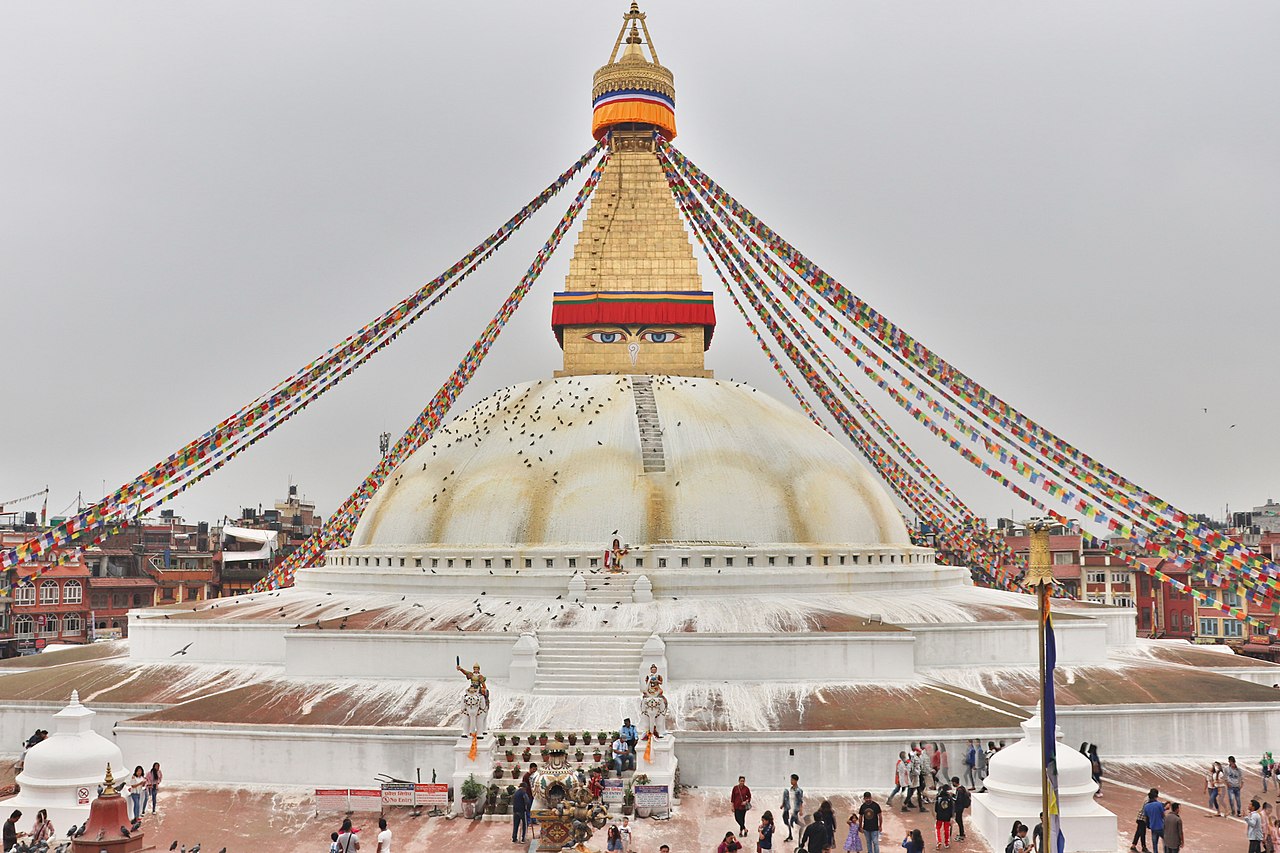
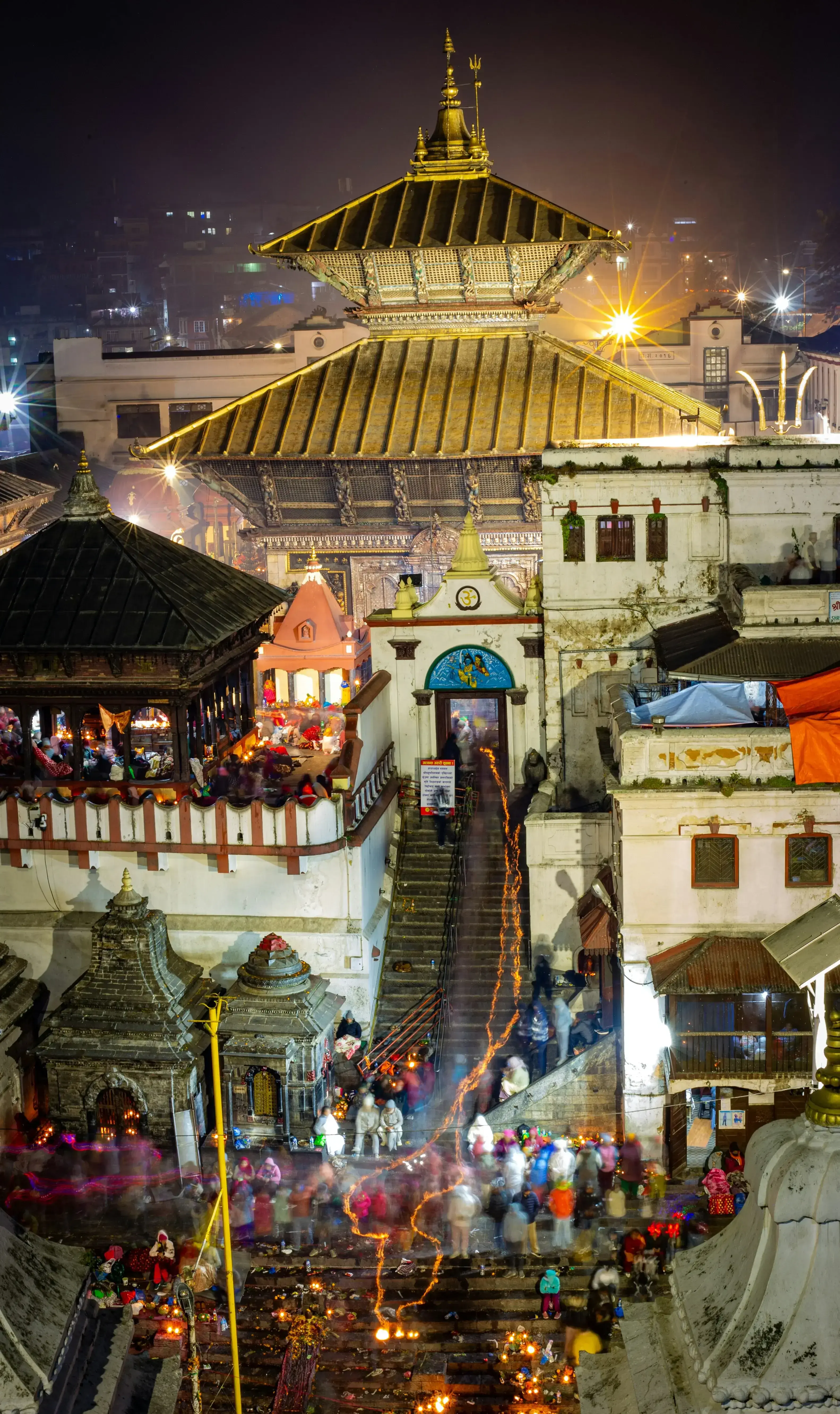
Kathmandu Valley Centers: Numerous centers in and around Boudhanath and Swayambhunath offer meditation training. The Kathmandu spiritual circuit guide covers the key sacred sites around which these centers are clustered. Staying near Boudhanath puts you within walking distance of multiple monasteries and meditation centers, creating a rich environment for practice and study.
Career Opportunities After Meditation Teacher Training
Completing a meditation teacher training in Nepal opens several career paths, depending on your background, interests, and how you want to integrate teaching into your life.
Studio and wellness center teaching: Many graduates begin by offering classes at yoga studios, wellness centers, and community spaces. A typical class is 45 to 75 minutes, combining guided meditation, teaching, and discussion. In major cities, meditation teachers charge $15 to $50 per class session. Building a student base takes time, but the demand for qualified teachers is growing as meditation enters mainstream wellness.
Corporate mindfulness programs: Companies are increasingly offering mindfulness training to employees for stress management and focus. This can be a lucrative path for teachers who can present meditation in a secular, professional format. Corporate programs typically pay significantly more than studio classes but require skills in facilitation, presentation, and adapting traditional practices for business environments.
Retreat facilitation: Organizing and leading meditation retreats is a natural progression for experienced teachers. You can partner with retreat centers or create your own retreat experiences. Nepal itself is a popular retreat destination, and teachers who have trained there have a compelling story to share with prospective students. Consider co-leading a retreat with an experienced teacher before branching out on your own.
Integration with other wellness modalities: If you are already a yoga teacher, therapist, coach, or healthcare professional, meditation teacher training adds a valuable skill to your existing practice. Meditation instruction pairs especially well with yoga teaching, sound healing, and holistic wellness coaching. For practitioners interested in combining meditation with Ayurvedic approaches, our guide to meditation and Ayurveda in Nepal explores the intersection.
Tips for Getting the Most Out of Your Training
Teacher training is an investment of time, money, and energy. These tips come from experienced practitioners and will help you maximize the value of your program.
Arrive with an open mind: You may encounter practices, beliefs, and teaching styles that are unfamiliar. Resist the urge to immediately compare everything to what you already know. The most transformative insights often come from the parts of training that challenge your existing framework.
Build relationships with fellow trainees: Your classmates will become your professional network and support system after training. Take time to connect, share experiences, and stay in touch. Many graduates find that their cohort becomes a long-term peer group for practice and professional development.
Practice teaching immediately: Do not wait until you feel "ready" to start teaching. Begin offering informal sessions to friends and family within weeks of returning home. Teaching is a skill that develops through repetition and feedback, not through perfecting your personal practice first.
Continue your own practice: The biggest mistake new teachers make is letting their personal practice slip once they start teaching. Your own practice is the wellspring from which your teaching draws. Protect it. If you need structure, consider returning to Nepal annually for a refresher retreat. The meditation in Nepal activity page lists current programs and centers.
Engage with the local culture: If your training is in Nepal, take advantage of being there. Visit sacred sites, attend an evening Aarati ceremony, learn about monastery etiquette, and talk to local practitioners. The cultural context of meditation is not background scenery; it is part of the teaching itself. Our guide to a 7-day spiritual itinerary in Nepal helps you plan cultural visits alongside your training.
Nepal offers something no online course or Western studio can provide: a living tradition of meditation practice in the land where it has been cultivated for millennia. Your teacher training here is not just a certification; it is an initiation into a lineage that stretches back to the Buddha himself. Take your time choosing the right program, prepare thoroughly, and arrive ready to immerse yourself fully. The skills you gain will serve your students for years to come, and the experience will transform your own practice in ways no textbook can describe.
For more information about meditation programs, wellness retreats, and spiritual travel in Nepal, explore our full range of tours and activities or contact us to discuss your training goals with our local team.