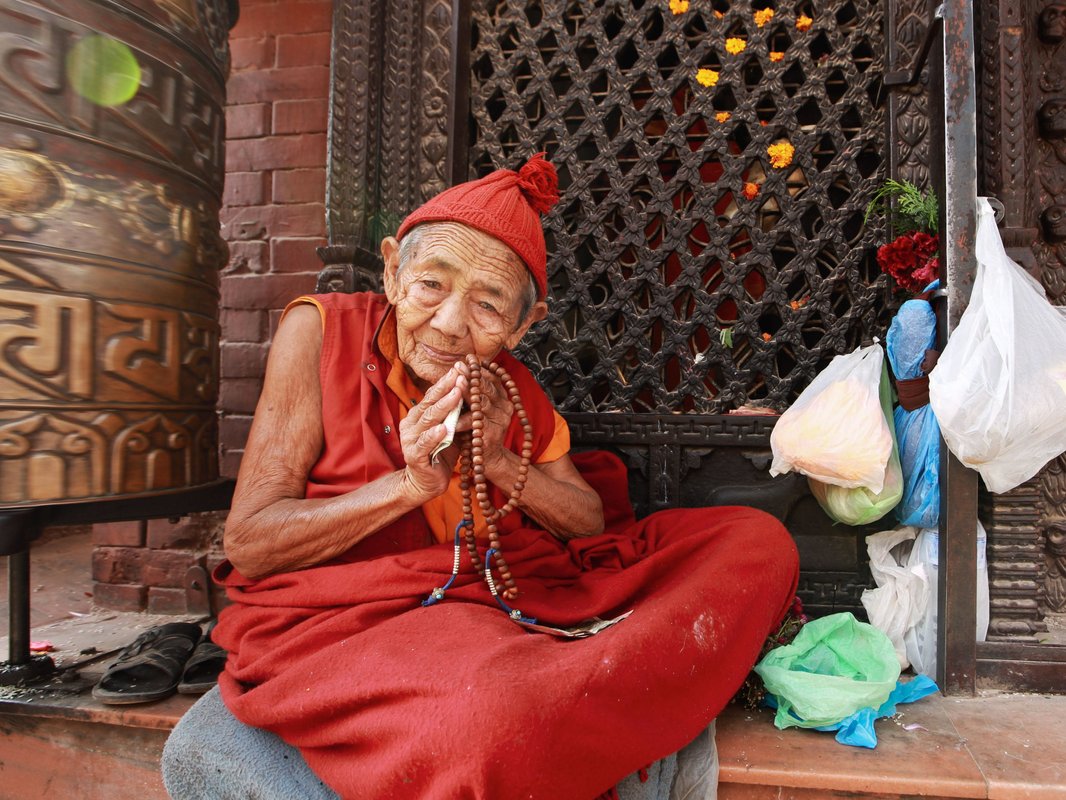
Nepal is a land where sacred sound has echoed across valleys and mountain peaks for thousands of years. From the lowland temples of the Terai to the high Himalayan monasteries perched at the edge of the sky, mantra meditation in Nepal is not just a practice but a living tradition woven into daily life. The chanting of Om Mani Padme Hum, the recitation of Vedic verses, and the melodic prayers of Buddhist monks all serve as gateways to inner transformation.
Whether you are a seasoned meditator looking to deepen your practice or a curious traveler seeking a meaningful experience in the Himalayas, Nepal offers an unparalleled setting for mantra meditation. The combination of ancient wisdom, authentic lineage holders, and the raw spiritual energy of the landscape creates conditions for genuine insight. This guide explores the origins, practices, best places, and practical steps to experience mantra meditation in Nepal.
If you are planning a broader spiritual journey, our complete guide to cultural and spiritual tours in Nepal covers heritage sites, pilgrimage routes, and Himalayan soul journeys. For those combining meditation with trekking, the best trekking agency guide for 2026 helps you choose the right trail and support team.


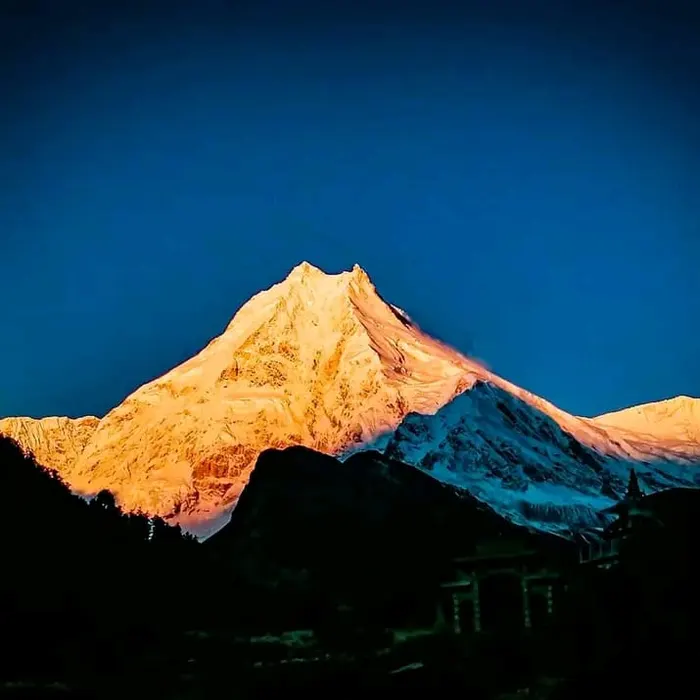
What Is Mantra Meditation and Why Does It Matter?
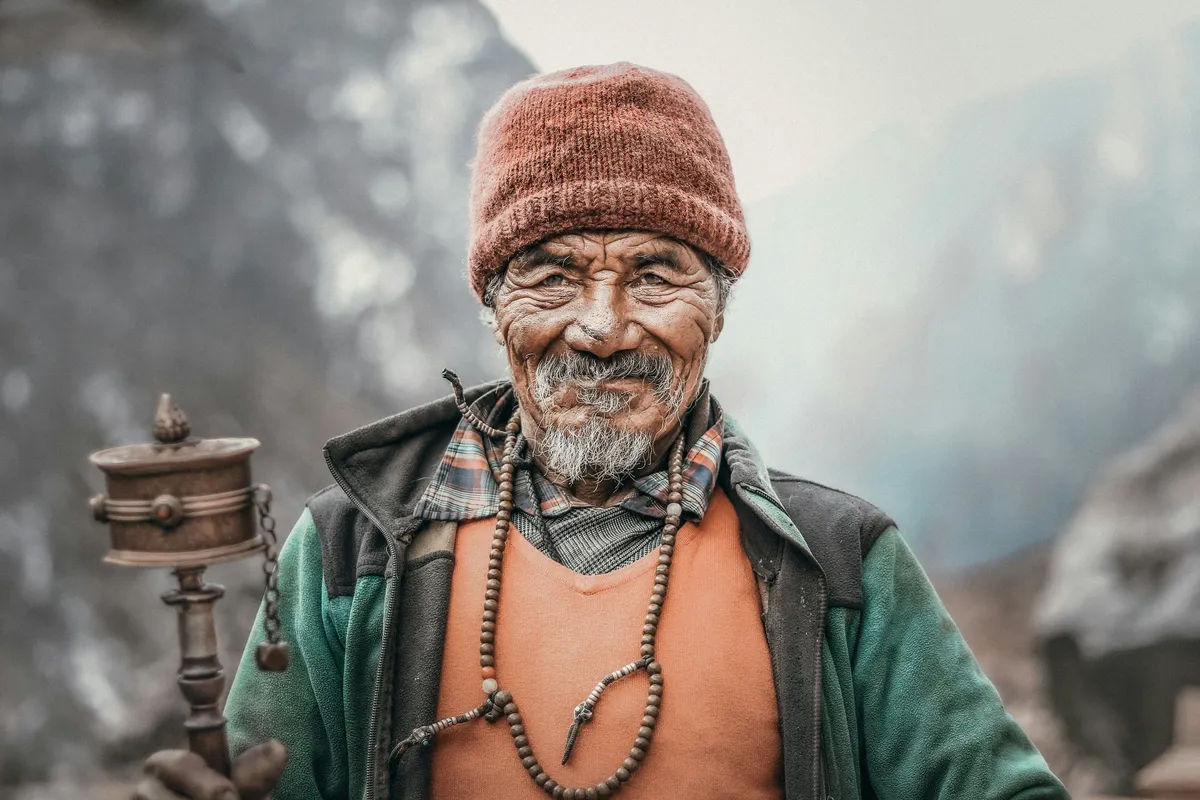
Mantra meditation is the practice of repeating a sacred word, phrase, or sound as a focus for concentration and spiritual transformation. The word "mantra" comes from Sanskrit: man meaning mind and tra meaning tool or vehicle. A mantra is literally a vehicle for the mind, carrying awareness from scattered thought to focused stillness. In Nepal, this practice spans both Hindu and Buddhist traditions, creating a uniquely rich landscape of sacred sound.
Unlike silent meditation styles such as Vipassana, mantra meditation uses sound vibration as its primary tool. The repetition can be spoken aloud, whispered, or repeated silently in the mind. Each method has a different quality and depth, and practitioners often progress from audible chanting to silent repetition as their practice matures.
Where Did Mantra Meditation Originate in Nepal?
The roots of mantra meditation in Nepal run deeper than recorded history. The Kathmandu Valley has been a crossroads of Hindu and Buddhist spiritual practice for over two millennia. Hindu sages recited Vedic hymns in temples along the Bagmati River, while Buddhist practitioners chanted sutras in monasteries on the surrounding hills. The valley's unique position as a meeting point of these two great traditions created a fertile ground for the cross-pollination of mantra practices.
The history of meditation in Nepal traces this lineage from the Buddha's time through the great tantric masters who codified mantra practices in the medieval period. Figures like Padmasambhava (Guru Rinpoche), who brought Vajrayana Buddhism to the Himalayas, placed mantra at the center of their teachings. The Om Mani Padme Hum mantra, associated with Avalokiteshvara (Chenrezig), the bodhisattva of compassion, became perhaps the most widely recited mantra in the Himalayan region.


Newar Buddhist priests in the Kathmandu Valley preserved Sanskrit mantra traditions that disappeared from India, maintaining unbroken lineages of esoteric chanting practices. Meanwhile, Hindu tantric practitioners in the valley developed sophisticated systems of seed-syllable (bija) mantras tied to specific deities and energy centers.
How Does Om Mani Padme Hum Work as a Meditation Practice?
The six-syllable mantra Om Mani Padme Hum is the most beloved mantra in Tibetan Buddhism, and Nepal is one of the best places to learn and practice it authentically. Each syllable is said to correspond to a different quality of awakened consciousness and to purify a specific negative emotion. The practice is accessible to beginners yet has layers of meaning that can sustain a lifetime of exploration.
Here is a breakdown of how practitioners work with this mantra:
- Om - purifies pride and ego, connecting to the body of generosity
- Ma - purifies jealousy and lust for entertainment, connecting to the body of ethics
- Ni - purifies passion and desire, connecting to the body of patience
- Pad - purifies ignorance and prejudice, connecting to the body of perseverance
- Me - purifies poverty and possessiveness, connecting to the body of concentration
- Hum - purifies aggression and hatred, connecting to the body of wisdom
The practice itself is simple: sit comfortably, begin reciting the six syllables at a steady rhythm, and let the sound fill your awareness. You can use a meditation in Nepal activity session as a structured introduction, or practice independently at any sacred site. Many practitioners combine the mantra with visualizations of Chenrezig or with prostrations at pilgrimage sites.
What Are the Different Types of Mantra Meditation in Nepal?
Nepal's position at the intersection of Hindu and Buddhist traditions means practitioners have access to a remarkable variety of mantra practices. Understanding the main categories helps you choose the approach that resonates with your spiritual path.
Vedic and Hindu Mantras
Hindu mantra meditation in Nepal centers on Vedic hymns, deity mantras, and seed syllables (bijas). The most common include Om Namah Shivaya (a Shiva mantra widely recited at Pashupatinath), Gayatri Mantra (a solar invocation from the Rig Veda), and Om Namo Bhagavate Vasudevaya (a Vishnu mantra). These practices are taught at temples, ashrams, and by Brahmin priests throughout the Kathmandu Valley and beyond.
Tibetan Buddhist Mantras
Buddhist mantra practices in Nepal are predominantly Tibetan Buddhist in style, reflecting the strong cultural ties between Nepal and Tibet. The Om Mani Padme Hum is universal, but practitioners also work with Om Tare Tuttare Ture Soha (Green Tara mantra for protection and quick action), Om Vajra Guru Padma Siddhi Hum (Guru Rinpoche mantra for obstacles), and Om Ah Hum (the three vajra syllables for body, speech, and mind purification).
Newar Buddhist Chanting
The indigenous Newar Buddhist tradition of the Kathmandu Valley preserves unique Sanskrit chanting practices that are found nowhere else. Newar vajracharya priests perform elaborate ritual chanting using texts that have been transmitted orally for generations. These practices are less accessible to casual visitors but represent a living fossil of Indian Buddhist tantra.
Shamanic and Bon Chanting
Beyond organized religion, Nepal's shamanic traditions and the pre-Buddhist Bon tradition also use chant and sound for healing. Shamanic healing tours sometimes incorporate mantra-like chanting as part of their healing ceremonies, creating another dimension of Nepal's sacred sound landscape.
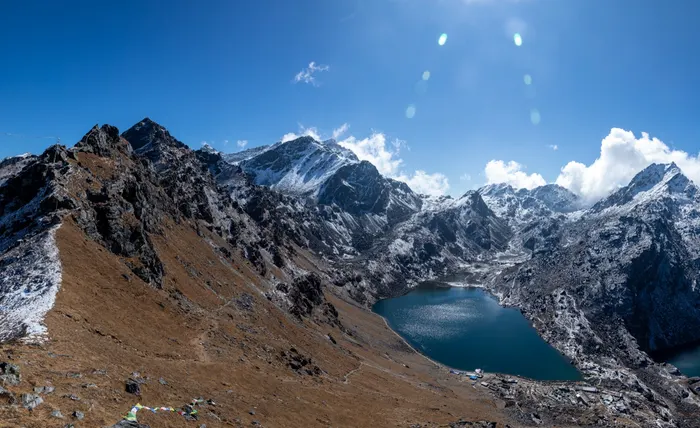
Where Are the Best Places for Mantra Meditation in Nepal?
Nepal offers sacred sites where mantra practice has been sustained for centuries. Each location has its own atmosphere and lineage, and choosing the right one depends on your tradition, experience level, and travel preferences.
Boudhanath Stupa: The Heart of Tibetan Buddhism
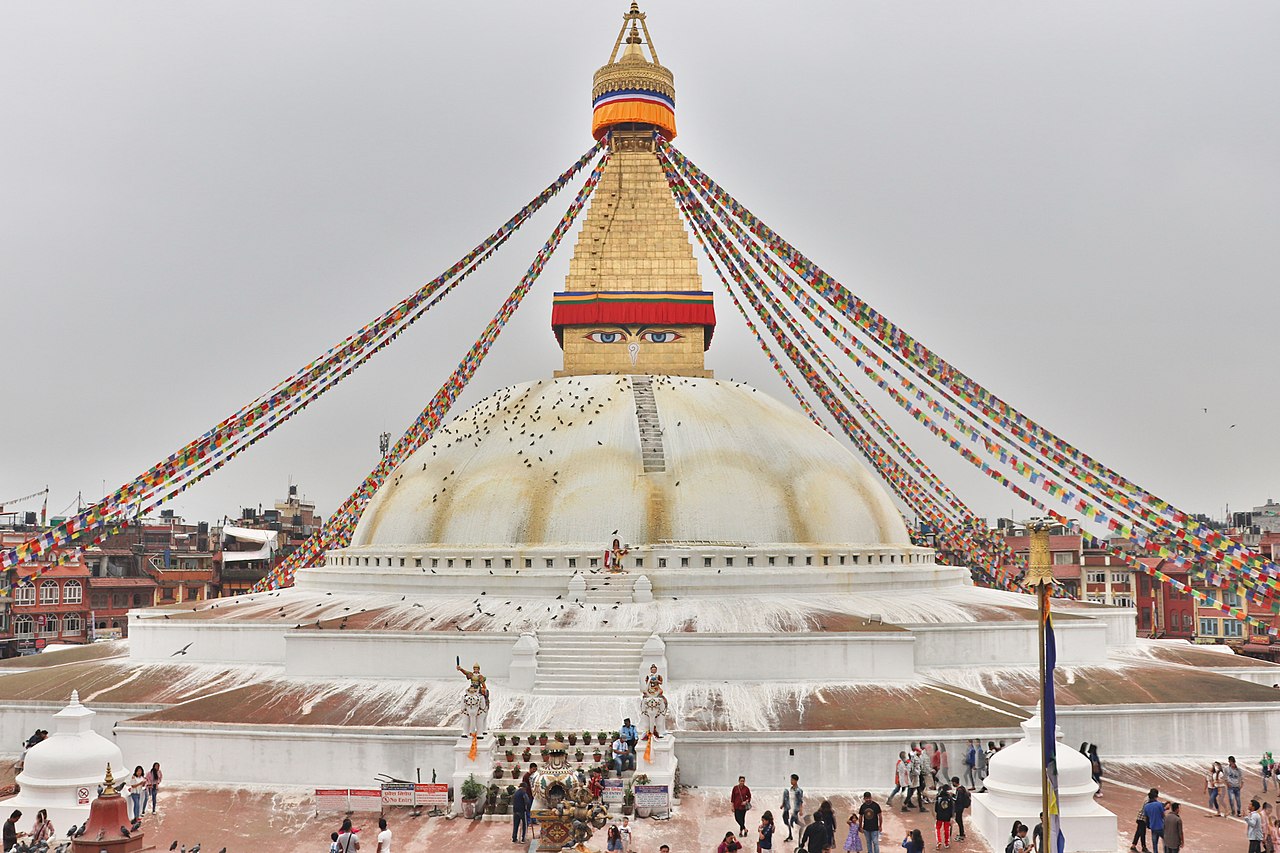
Boudhanath in Kathmandu is perhaps the single best place in Nepal for Tibetan Buddhist mantra practice. The massive white stupa with its watchful eyes is surrounded by monasteries where monks chant Om Mani Padme Hum and other mantras throughout the day. Walking the kora (circumambulation path) around the stupa while reciting mantras is a practice that thousands of pilgrims and visitors share daily. The Kathmandu healing traditions at Boudhanath include formal teaching programs where you can learn mantra pronunciation and meaning from qualified lamas.
Swayambhunath: The Self-Arisen Stupa
Swayambhunath, perched on a hill west of Kathmandu, is another powerful site for mantra meditation. The stupa is associated with Manjushri (the bodhisattva of wisdom), and the atmosphere carries a distinctly contemplative quality. Monkeys roam the grounds, prayer flags flutter in the wind, and the sound of chanting drifts from the surrounding monasteries. At dawn, the site is particularly quiet and ideal for solo mantra practice.
Pashupatinath: Hindu Mantra Power Site
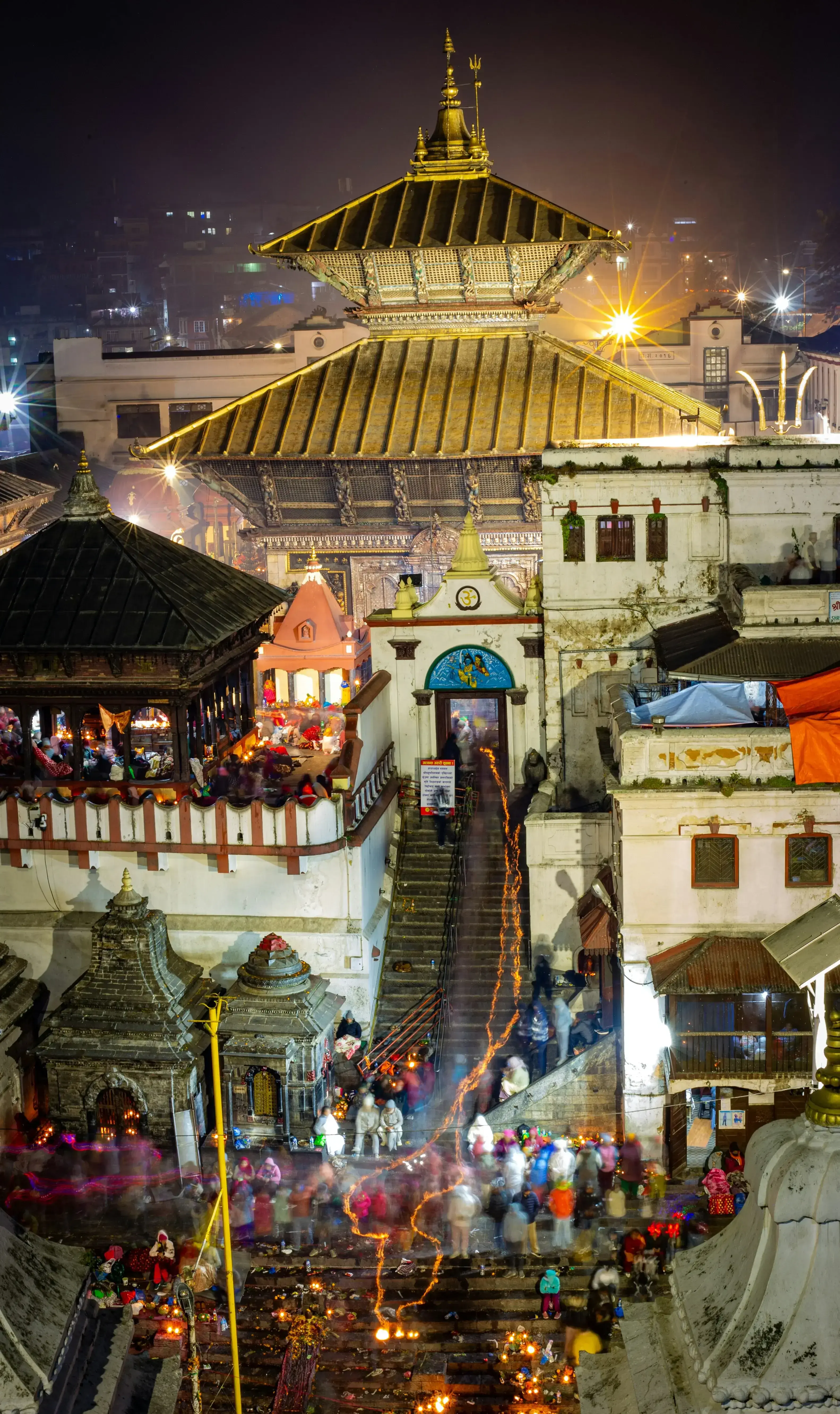
For Hindu mantra practice, Pashupatinath is unmatched. The temple complex on the banks of the Bagmati River is one of the most important Shiva shrines in the world. Sadhus (wandering ascetics) recite Om Namah Shivaya along the ghats, and the air carries the scent of incense and the sound of temple bells. The evening aarati ceremony at Pashupatinath is a powerful experience where collective chanting creates an overwhelming sense of devotion and presence.
Lumbini: The Birthplace of the Buddha
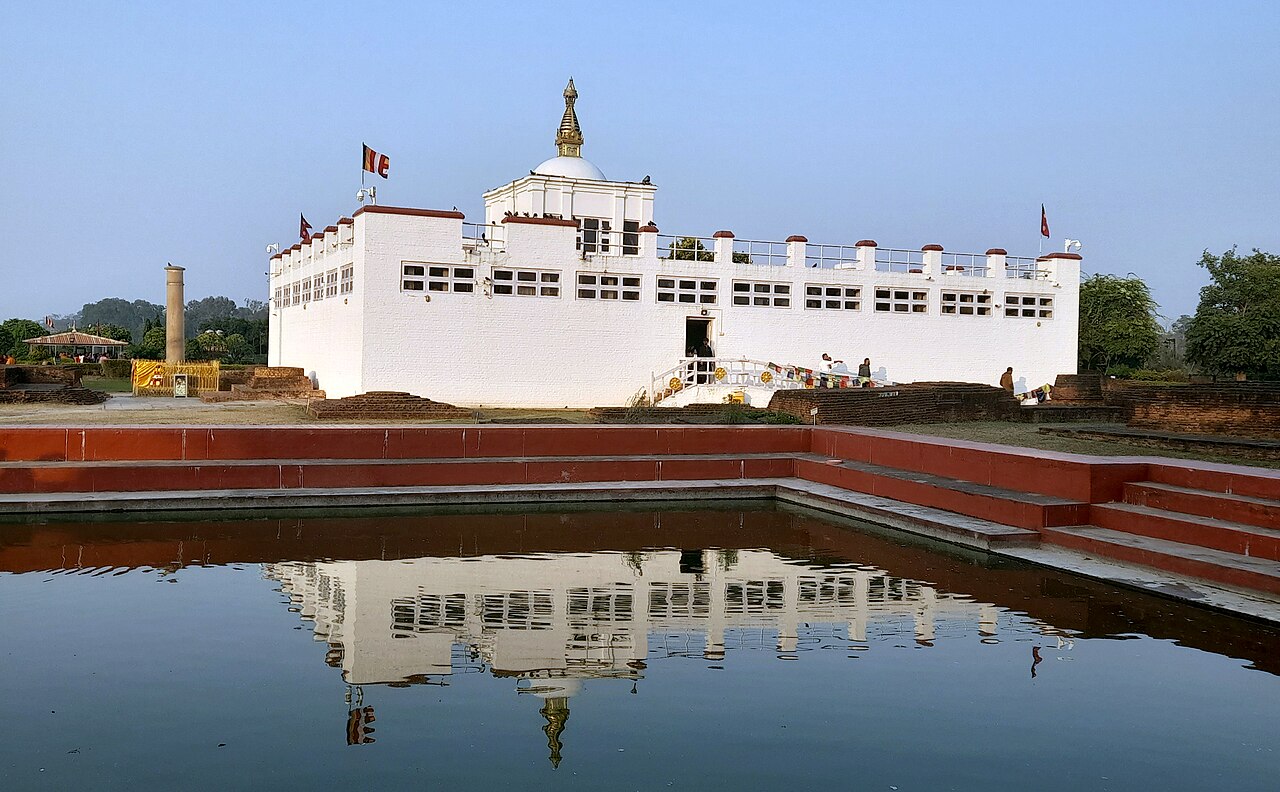
Lumbini, where Siddhartha Gautama was born, offers a different quality of mantra practice. The monasteries built by Buddhist communities from around the world each have their own chanting traditions. Walking through the monastic zone, you can hear Tibetan, Sri Lankan, Thai, and Burmese chanting styles, all within a short distance. The peaceful gardens and meditation spaces make Lumbini an ideal place for extended mantra retreats. Our 10-day spiritual tour itinerary includes Lumbini as a key destination for deep practice.
Monasteries in the Himalayas
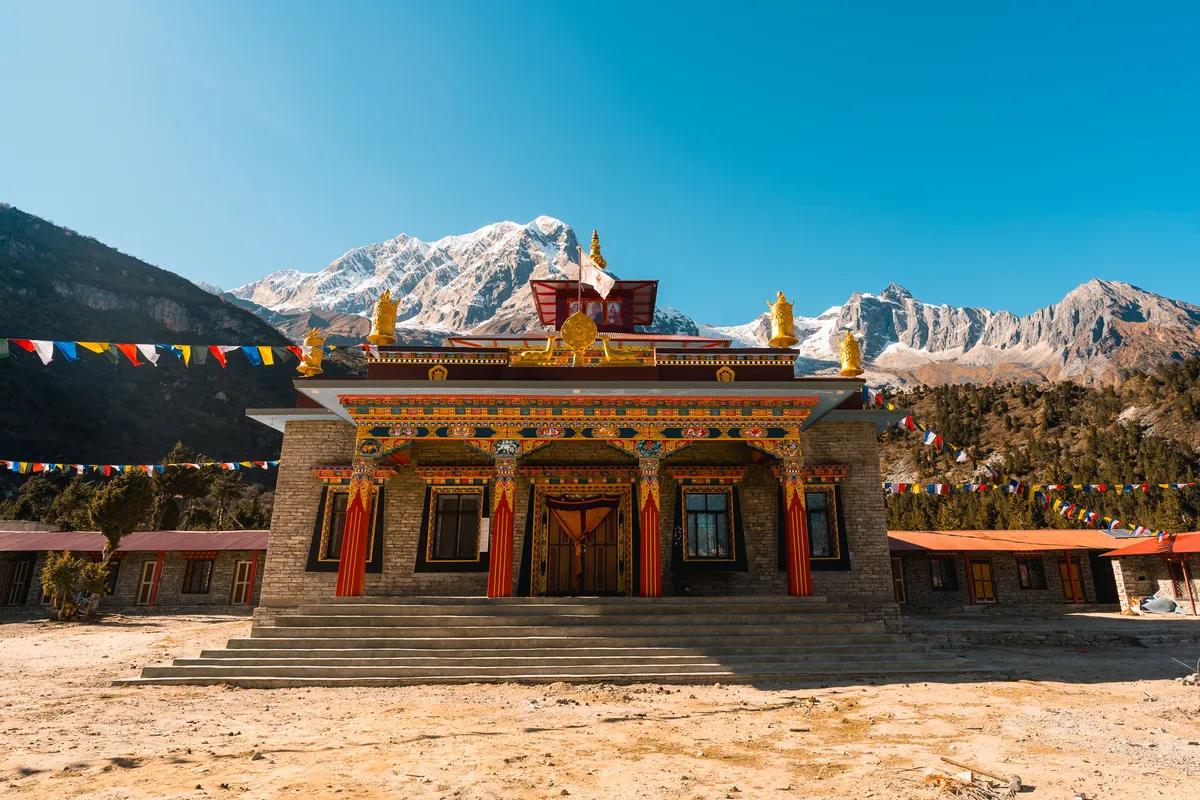
For a truly immersive experience, monasteries in the Solu Khumbu (Everest region), Mustang, and Helambu offer retreat opportunities where you can practice mantra meditation in a traditional setting. These remote monasteries follow daily schedules of group chanting, individual practice, and teaching sessions. The monastery etiquette and meditation activity in Kathmandu is a good starting point before committing to a longer monastery stay.
How Do You Start a Mantra Meditation Practice?
Starting a mantra meditation practice does not require any special equipment or prior experience. The essential ingredients are a willingness to learn, a comfortable seat, and a mantra to work with. Here is a practical step-by-step approach that you can follow in Nepal or at home.
Step 1: Choose Your Mantra
For beginners, Om Mani Padme Hum is the most accessible mantra. It is short, universally used in Nepal, and carries the blessing of Avalokiteshvara's compassion. If you feel drawn to a Hindu path, Om Namah Shivaya is equally accessible and widely practiced. The key is to choose a mantra that resonates with you and commit to it rather than switching constantly.
Step 2: Set Up Your Posture
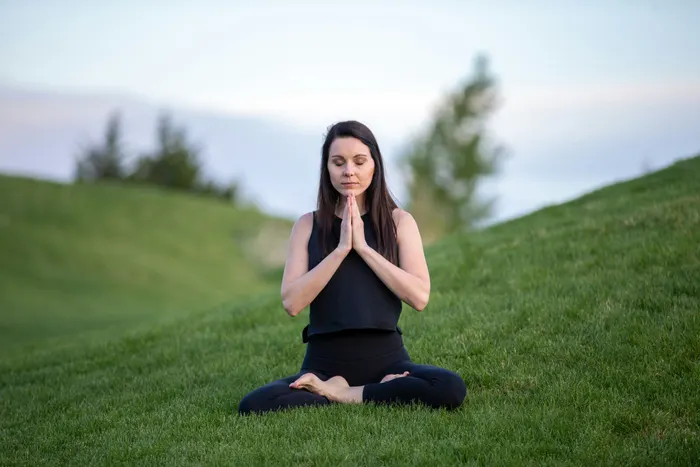
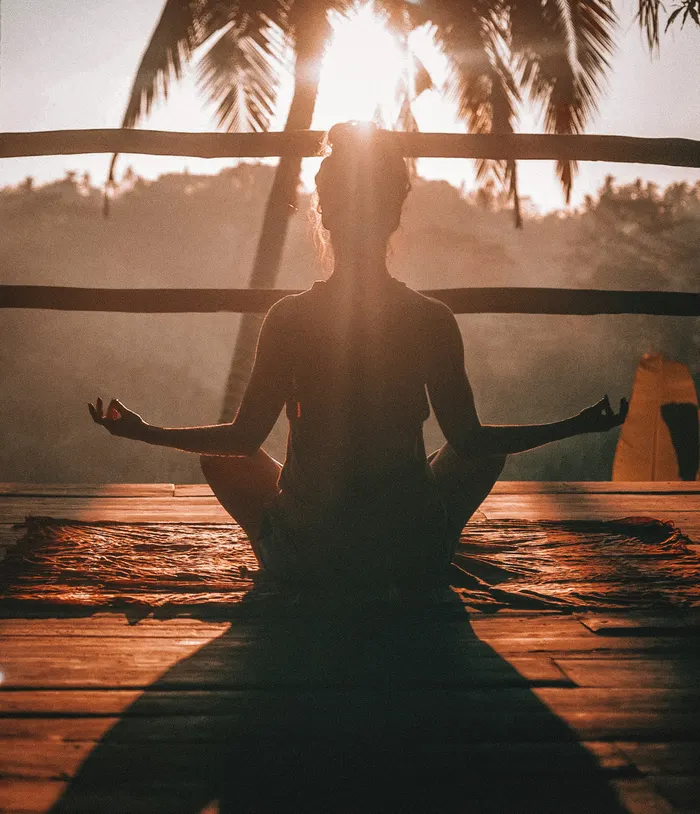
Sit in a comfortable cross-legged position on a cushion, or on a chair if needed. Keep your spine straight but relaxed, shoulders down, and chin slightly tucked. Rest your hands on your knees or in your lap. The goal is alert relaxation: present enough to focus, relaxed enough to sustain the practice.
Step 3: Begin Reciting
Start by chanting the mantra aloud at a comfortable volume. Feel the vibration of the sound in your body. After several repetitions, you can shift to whispering, then to silent mental repetition. Each stage is more subtle and requires more focus. If your mind wanders, gently return to the mantra without judgment.
Step 4: Use a Mala
A mala (prayer beads) with 108 beads helps track your repetitions and gives your hands something to do, which reduces mental wandering. Move one bead per mantra repetition, starting from the bead next to the guru bead and completing a full circuit of 108. In Nepal, malas are readily available at Boudhanath, Swayambhunath, and temple shops throughout the valley.
Step 5: Build a Daily Practice
Start with 10 to 15 minutes per session, once or twice daily. Gradually increase to 30 minutes or more as your capacity grows. Consistency matters more than duration: a daily 15-minute practice will transform your mind more reliably than occasional long sessions. For structured guidance, consider joining a yoga and meditation retreat that includes mantra instruction.

What Are the Benefits of Mantra Meditation?
Mantra meditation offers benefits that range from the physiological to the spiritual. Research on mantra repetition has shown measurable effects on brain function, stress levels, and emotional well-being. In the Himalayan tradition, these benefits are understood as natural side effects of aligning the mind with sacred vibration.
Calming the Nervous System
The rhythmic repetition of sound activates the parasympathetic nervous system, reducing heart rate, lowering blood pressure, and decreasing cortisol levels. This is similar to the benefits documented in mindfulness meditation, but the sound component adds an extra layer of sensory anchoring that many people find easier to sustain than breath-based practices.
Improving Concentration
The mantra gives the mind a single object to return to, training the attention muscles much like physical exercise trains the body. Over time, this improved concentration carries over into daily activities, work, and relationships. Daily meditation practice with mantra repetition is particularly effective for people who struggle with the formless observation techniques of other meditation styles.
Opening the Heart
Mantras associated with compassion, particularly Om Mani Padme Hum, are said to open the heart center (anahata chakra). Practitioners report increased feelings of loving-kindness, reduced anger, and greater emotional resilience. The sound healing meditation tradition in Nepal works with this same principle of vibration as a tool for emotional transformation.
Connecting to Lineage
Unlike purely secular meditation, mantra practice connects you to an unbroken lineage of practitioners stretching back thousands of years. When you chant Om Mani Padme Hum at Boudhanath, you are joining a stream of devotion that has flowed continuously since the mantra was first given. This sense of connection can be deeply nourishing, especially for practitioners who feel isolated in their spiritual journey.
Can Beginners Learn Mantra Meditation in Nepal?
Yes, Nepal is one of the best places in the world for beginners to learn mantra meditation. The culture is deeply supportive of spiritual practice, teachers are accessible, and the atmosphere of sacred sites makes the practice feel natural rather than forced. Many meditation centers in Kathmandu offer introductory sessions specifically designed for newcomers.
The meditation for beginners guide covers the practical aspects of starting a practice in Nepal, including what to expect at your first session, how to find a qualified teacher, and how to navigate cultural differences. For mantra-specific instruction, look for programs at Kopan Monastery, Boudhanath meditation centers, or the various ashrams in the Kathmandu Valley.
When choosing a teacher, look for someone with an authentic lineage, clear teaching methodology, and a welcoming attitude toward international students. The best teachers will explain the meaning of the mantra, demonstrate correct pronunciation, and guide you through your first sessions with patience. Avoid anyone who demands large sums for "secret" mantras or promises instant results.
What Should You Pack for a Mantra Meditation Retreat?
Packing for a meditation retreat in Nepal requires balance between comfort and simplicity. You want enough warmth and support for long sitting sessions, but not so many possessions that you are distracted. Here is a practical checklist:
- Mala beads - 108-bead mala from a reputable source in Kathmandu
- Meditation cushion - a zafu or travel cushion if the retreat does not provide one
- Layers - mornings and evenings can be cool, especially in mountain monasteries
- Comfortable clothing - loose-fitting clothes that do not restrict breathing or sitting
- Journal - for recording insights, dream experiences, or questions for your teacher
- Earplugs - for shared accommodation or noisy neighborhoods
- Water bottle - stay hydrated, especially at altitude
- Small flashlight or headlamp - power outages are common in Nepal
For a comprehensive guide on what to bring for a longer spiritual journey, the meditation retreat selection guide covers accommodation types, duration options, and what to expect from different centers.
How Is Mantra Meditation Different from Other Meditation Styles?
Nepal offers many meditation traditions, and understanding the differences helps you choose the right approach. Mantra meditation is distinct from other popular styles in several key ways.
Compared to Buddhist meditation in the Theravada tradition, which emphasizes mindfulness of breath and body, mantra meditation uses sound as its primary object of focus. This can be easier for beginners whose minds are too active for silent observation. The sound gives the mind something to "chew on" while stillness develops naturally.
Compared to silent meditation retreats, which maintain strict silence for the entire duration, mantra retreats often include group chanting sessions, teaching talks, and opportunities for questions. This makes them more social and interactive, which some practitioners find more sustainable for longer periods.
Compared to walking meditation, which combines movement with mindfulness, mantra meditation is typically practiced seated and stationary. However, many practitioners combine the two, reciting mantras while walking the kora around stupas or on pilgrimage trails.
Compared to meditation combined with Ayurveda, which integrates dietary and bodywork practices, mantra meditation is more self-contained. You can practice it anywhere with no special preparation beyond your mala and a quiet space.
What Is the Role of Mantra in Tibetan Buddhist Practice?
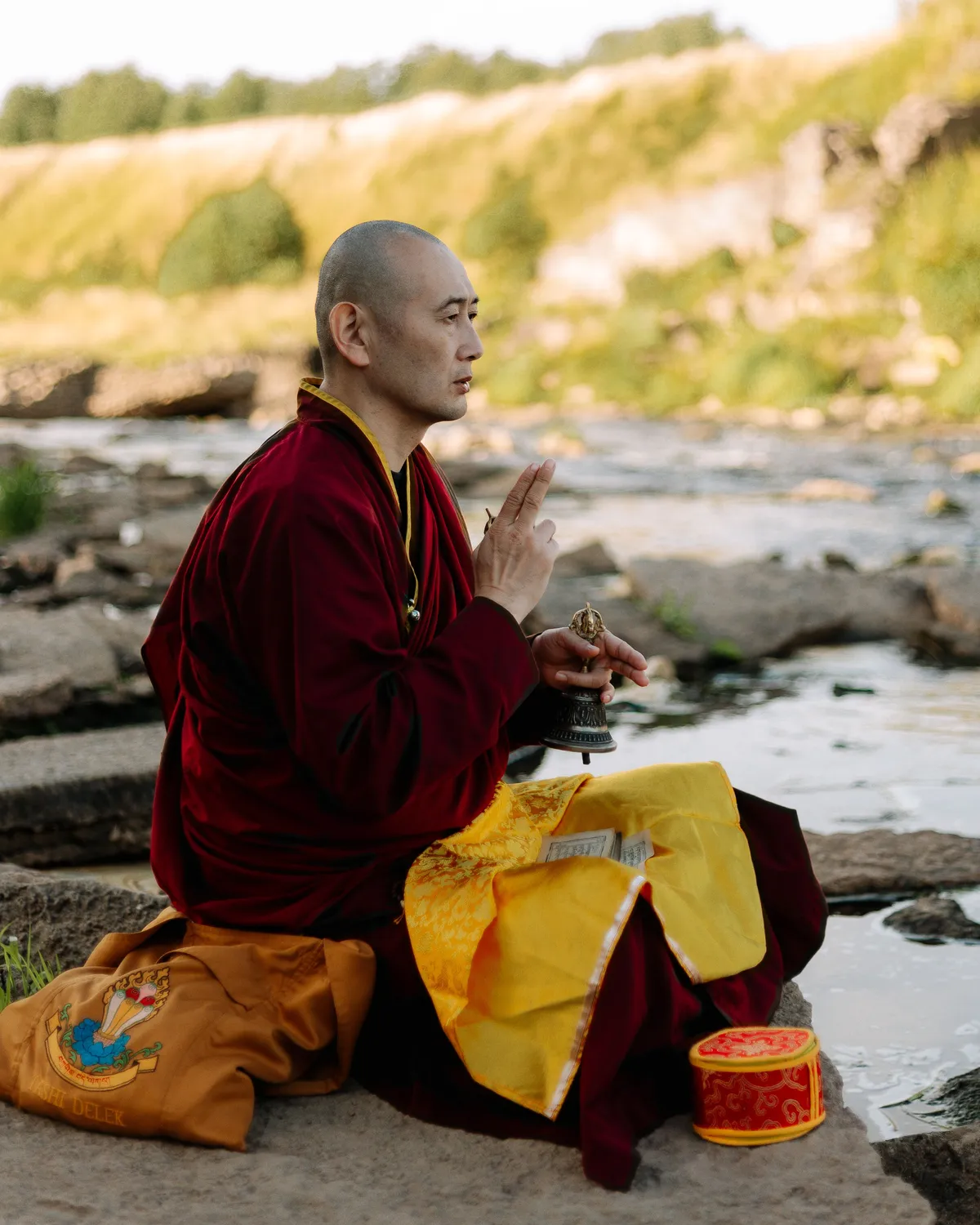 In Tibetan Buddhism, which is the dominant Buddhist tradition in Nepal's highland regions, mantra is not just a meditation technique but a complete spiritual path. Mantras are understood as the sonic embodiment of enlightened qualities. When you recite Om Mani Padme Hum, you are not merely repeating words: you are invoking the living presence of Avalokiteshvara and aligning your consciousness with the quality of boundless compassion.
Tibetan Buddhist practice typically combines mantra with visualization, prostrations, and prayer. A complete ngondro (preliminary practice) might involve 111,000 repetitions of a specific mantra along with visualizations of the deity. While few visitors will undertake such an intensive practice, understanding this framework helps contextualize the mantra recitation you will witness at monasteries.
The concept of sadhana (a structured practice session) typically includes taking refuge, generating bodhichitta (the aspiration to awaken for the benefit of all beings), reciting the mantra, making offerings, and dedicating merit. Even a simplified version of this structure gives your mantra practice depth and meaning that goes beyond mere repetition.
How Can You Combine Mantra Meditation with Trekking?
One of the most beautiful ways to experience mantra meditation in Nepal is to combine it with trekking. The Himalayan trails pass through landscapes that have been sanctified by centuries of pilgrim travel, and reciting mantras while walking adds a layer of meaning to the journey.
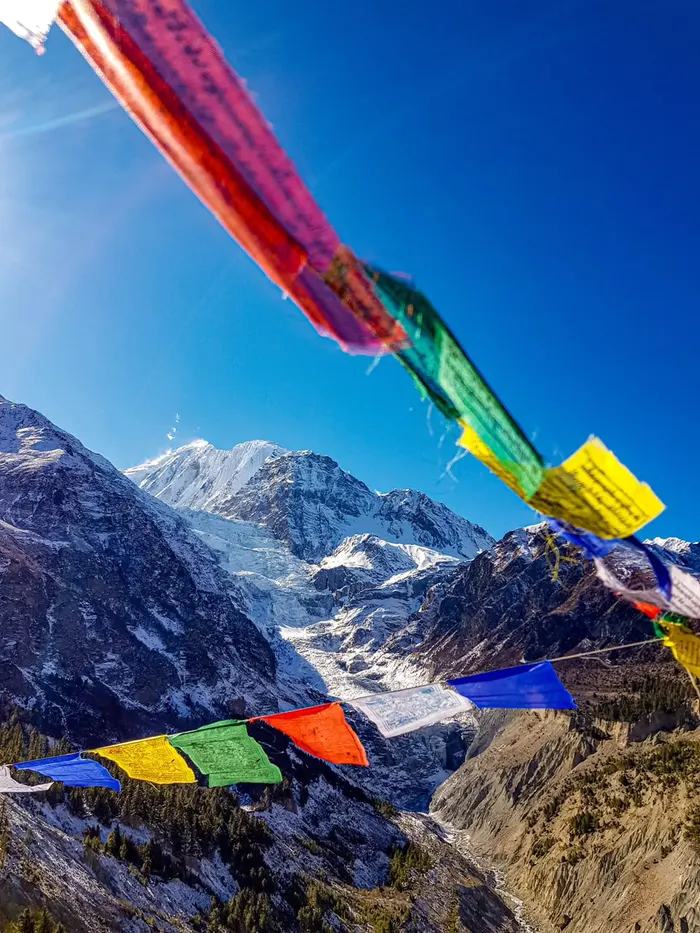
Many trekkers find that the rhythmic nature of walking naturally supports mantra repetition. Each step can correspond to a syllable, creating a walking meditation that is both physically and spiritually energizing. On the trails around the Annapurna and Everest regions, you will pass mani walls (stone walls inscribed with Om Mani Padme Hum), prayer flags, and small shrines where you can pause for practice.
The slow trekking and mindfulness approach is ideal for this combination. Rather than rushing to the next destination, you walk at a pace that allows for awareness, pausing at sacred sites and taking time to absorb the atmosphere. This transforms a trek from a physical challenge into a pilgrimage.
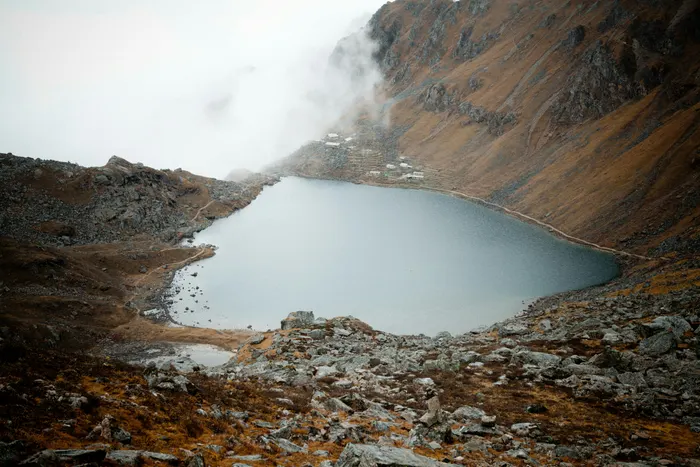
For those interested in a structured combination of meditation in Nepal with trekking, several operators offer yoga and meditation treks that include daily practice sessions. The Annapurna yoga trek and the Gosaikunda yoga retreat trek are popular options that combine trail time with meditation and chanting.
When Is the Best Time for Mantra Meditation in Nepal?
Nepal has distinct seasons that affect the meditation experience. The best times for outdoor mantra practice are spring (March to May) and autumn (September to November), when the weather is clear, temperatures are moderate, and mountain views are spectacular. During these seasons, you can sit outdoors at monasteries and temples comfortably.
Winter (December to February) is cold but offers the clearest skies and the fewest crowds. Monasteries in the Kathmandu Valley remain active, and indoor meditation halls are heated. This is an excellent time for intensive practice if you do not mind the cold.
The monsoon season (June to August) brings rain and humidity, but also a lush greenness to the landscape. Indoor meditation is the norm, and the sound of rain can actually enhance the contemplative atmosphere. Many monasteries hold special teaching programs during the monsoon, when monks are not traveling.
Festival seasons add another dimension. During Saga Dawa (April/May), Losar (February/March), and Buddha Jayanti (April/May), monasteries hold extended chanting sessions that are powerful experiences of collective mantra practice. Check the local calendar when planning your visit.
What Should You Know About Mantra Meditation Etiquette?
When practicing mantra meditation at sacred sites in Nepal, observing proper etiquette shows respect for the tradition and ensures a welcoming environment for all. Here are the key guidelines:
- Dress modestly - cover shoulders and knees, remove shoes before entering temples and monastery halls
- Walk clockwise around stupas, temples, and mani walls (always to the right)
- Do not point your feet at sacred objects, teachers, or other practitioners
- Ask before photographing monks, ceremonies, or interior spaces
- Keep your voice low in meditation halls and near practitioners in silent retreat
- Accept prasad (blessed offerings) with your right hand if offered
- Do not touch someone's head, as it is considered sacred in both Hindu and Buddhist culture
The spiritual tour cost guide includes tips on how to budget for offerings, donations, and teacher fees, which are customary when receiving instruction at monasteries and temples.
How Do Mantras Relate to Sound Healing?
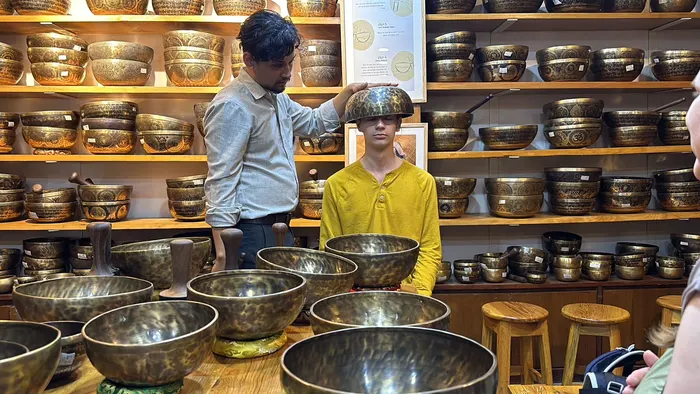
Mantra meditation and sound healing are closely related practices that both use vibration as a tool for transformation. While mantra meditation focuses on the practitioner's own voice producing specific sacred syllables, sound healing in Kathmandu typically uses singing bowls, gongs, and other instruments to produce therapeutic vibrations that the recipient absorbs passively.
Many practitioners find that the two approaches complement each other beautifully. Sound healing can prepare the body and mind for mantra practice by releasing tension and inducing a relaxed state. Mantra practice then gives the mind a focus that deepens the healing process. Some retreat programs in Nepal, such as the 3-day yoga sound healing retreat, combine both approaches in a single program.
The underlying principle is the same: everything in the universe, including our bodies and minds, is vibration. By introducing harmonious, intentional vibration through mantra or sound instruments, we can shift our internal state toward balance and clarity. Nepal's long tradition of working with sacred sound makes it a natural laboratory for exploring this intersection.
Can You Practice Mantra Meditation for Anxiety Relief?
Mantra meditation is particularly effective for anxiety relief because the repetitive sound gives the mind a stable anchor, interrupting the cycle of anxious thoughts. The vibration of the mantra also has a direct physiological calming effect, similar to the way humming or singing soothes the nervous system.
For anxiety-specific practice, shorter sessions done more frequently tend to work better than long sessions. Try 5 to 10 minutes of Om Mani Padme Hum recitation whenever you feel anxious, rather than waiting for a formal sitting period. The Pokhara wellness retreat is one option that teaches practical techniques for managing stress and anxiety through meditation.
The compassion aspect of Om Mani Padme Hum is also relevant: anxiety often involves self-criticism and fear, and directing compassion toward yourself through the mantra can soften these patterns. Over time, the practice builds a baseline of inner calm that makes anxious episodes less frequent and less intense.
What Are the Common Misconceptions About Mantra Meditation?
Several misconceptions about mantra meditation can create unnecessary barriers for newcomers. Addressing these directly helps you approach the practice with realistic expectations.
Misconception: You need to be religious to practice mantras. While mantras have religious origins, you do not need to adopt any particular faith to benefit from the practice. The sound and rhythm work on a psychological and physiological level regardless of belief. Many secular practitioners in Nepal use mantra purely as a concentration tool.
Misconception: You must have a guru to receive a mantra. While traditional lineage transmission is valued in both Hindu and Buddhist traditions, the most widely used mantras like Om Mani Padme Hum are considered open and can be practiced by anyone. Formal empowerment is needed only for advanced tantric practices.
Misconception: Mantra meditation is just mindless repetition. Effective mantra practice involves conscious engagement with the sound, meaning, and energy of the syllables. Mindless repetition does produce some calming effect, but the full transformative power of mantra meditation comes from informed, intentional practice.
Misconception: Results come quickly. Like any meditation practice, the benefits of mantra meditation accumulate over time. Initial experiences may be subtle: a sense of calm, improved sleep, or slightly better focus. Deep transformation requires consistent practice over months and years.
Mantra meditation in Nepal is an invitation to experience the transformative power of sacred sound in the land where it has been practiced for millennia. Whether you spend an hour chanting at Boudhanath, join a week-long retreat in a monastery, or simply carry a mala and recite Om Mani Padme Hum as you walk the Himalayan trails, the practice offers a direct path to inner peace that is both ancient and immediately accessible. The Himalayas are calling, and the mantras are waiting to carry your mind to stillness.