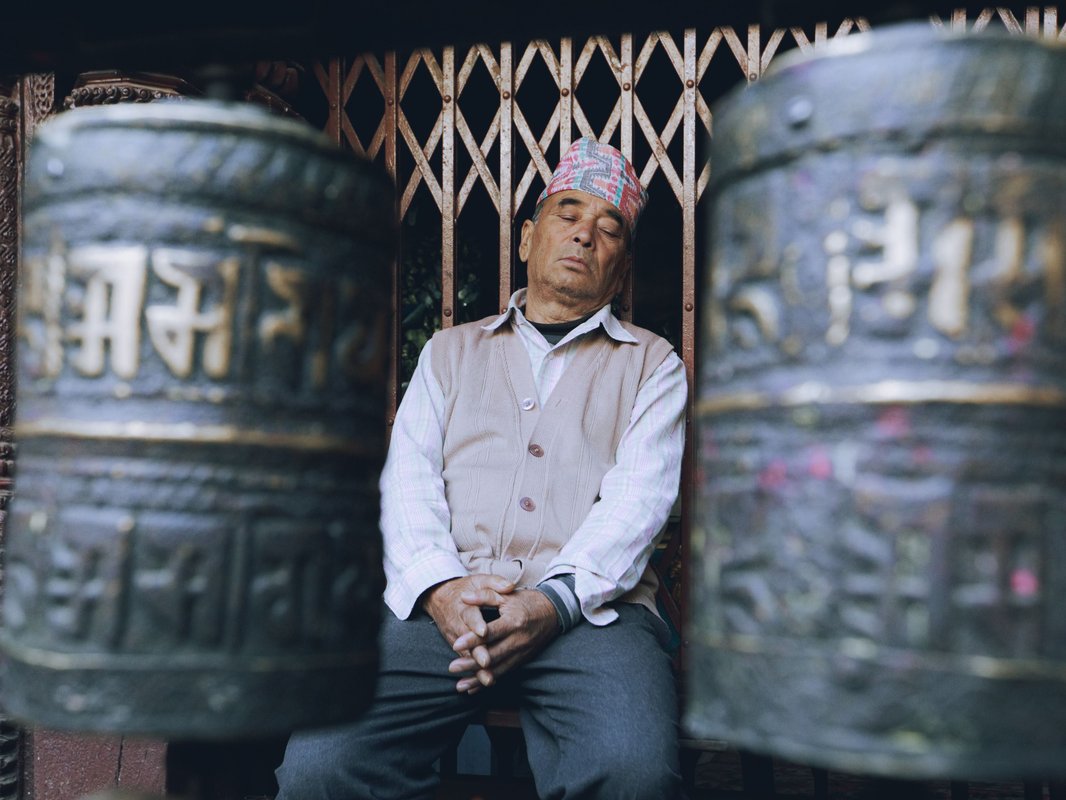
Insomnia rarely announces itself. It creeps in through a string of restless nights, a mind that will not power down, a body exhausted but somehow still wired. If you have tried sleep apps, herbal teas, white-noise machines and counting breaths without lasting relief, you are not alone. Sleep disorders are one of the most common complaints travellers bring with them on the plane to Kathmandu, and one of the first things that quietly improves when they begin a structured meditation practice in Nepal.
There is a reason sleep-focused meditators keep choosing this country. Nepal combines three things that clinical sleep hygiene advice alone cannot offer: authentic living traditions of mind training passed down for centuries, teachers who practice what they teach, and an environment where the senses naturally settle. The evening aarati lamps at Pashupatinath, the drone of monastery horns across the Kathmandu Valley, the mineral cold of Himalayan air at altitude - these are not decorative extras. They are conditions that make the nervous system feel safe enough to let go, which is the biological precondition for sleep.
This guide explains why meditation works for insomnia, which techniques have the strongest evidence and lineage behind them, where in Nepal to practice them, and how to structure a sleep-focused meditation journey that fits your travel style. If you are also weighing the broader cultural and spiritual dimensions of travelling in Nepal, this article slots into that larger picture: the same land that hosts pilgrimages and heritage circuits also happens to be one of the most forgiving places on earth to rebuild a broken relationship with rest. And if your trip will pair retreat days with trail days, our complete guide to planning a Nepal trek in 2026 covers the practical side of moving mindfully through the mountains.
Why Does Meditation Help With Insomnia?
Insomnia is fundamentally a disorder of arousal, not of tiredness. The insomniac body is not lacking sleep pressure; it is lacking permission to drop into it. Meditation trains exactly that: the capacity to notice arousal (racing thoughts, jaw tension, shallow breath) and release it without adding the second layer of panic ("what if I never sleep tonight?") that keeps the cycle alive.
Research on meditation and sleep converges on a few clear findings. Mindfulness practice reduces the mental rumination that fuels sleep-onset insomnia. Slow, extended exhalation practices shift the autonomic balance toward the parasympathetic rest-and-digest state. And perhaps most importantly, meditators stop catastrophising about wakefulness: a relaxed wakeful night stops being a crisis, which paradoxically makes sleep more likely to arrive.
Nepal adds a dimension that a sleep app cannot. In the Tibetan and Newar Buddhist traditions preserved here, sleep and dream practice have been refined for over a thousand years - not as a cure for insomnia, which was not a diagnostic category in ancient monasteries, but as a training ground for awareness itself. When you learn to rest the mind the way lamas teach it, sleep tends to follow as a side effect. Our overview of meditation in Nepal for beginners covers the foundations if you are starting from zero.

What Does Sleep Meditation Look Like in Nepal?
Ask five teachers in Nepal how to meditate for sleep and you will hear five compatible answers. A Theravada-influenced vipassana teacher will point you to body scanning, following sensation from crown to sole until the body forgets itself. A Tibetan lama may give you a settling visualisation on white light dissolving into darkness. A yoga therapist will work with the breath ratio first, lengthening the exhale until the heartbeat slows. A Newar priest tracing a lineage older than the Malla kings will tell you that sleep is a form of surrender, and that mantra, not effort, is the boat.
What unites these approaches is the sequence: settle the body, slow the breath, give the mind one soft object to rest on, and stop checking whether it is working. The checking is the insomnia. Every tradition here has a name for that reflexive grasping, and every tradition's answer is some version of the same gentle instruction - let it be. For a deeper comparison of the different schools of practice available in the country, see our guide to choosing a meditation retreat in Nepal.


Which Meditation Techniques Work Best for Sleep?
Not every technique suits the pre-sleep state. Stimulating practices such as dynamic breathwork or inquiry-style self-questioning can leave the mind more alert, not less. The techniques below are the ones Nepal's retreat teachers most often prescribe for insomniac minds, and they can be learned in a few guided sessions.
Body Scan and Progressive Release
The workhorse of sleep meditation. You move attention slowly through the body, section by section, softening each area on the out-breath. In Nepal this is taught with a monastic flavour: less clinical instruction, more felt sense of the body growing heavy and warm, like a candle slowly losing form. Ten to twenty minutes of scanning in bed reliably drops heart rate and releases the muscular bracing that keeps light sleepers hovering near the surface. Our introduction to mindfulness meditation in Nepal explains the same technique in daytime form.
Extended-Exhale Breathing
Breath ratios are the fastest lever on the nervous system. Inhale for four counts, exhale for eight, and within minutes the vagus nerve receives an unmistakable signal: the day is over. In the Himalayan yoga tradition this family of practices overlaps with pranayama, and teachers here love pointing out that the ancient texts never separated breath work from sleep - the evening practice was simply called that, the evening practice. If breath interests you beyond sleep, our piece on meditation and pranayama in Nepal goes into the full toolkit.
Mantra as a Lullaby for the Waking Mind
Repetition gives a chattering mind a conveyor belt to stand on. Om Mani Padme Hum, the six-syllable compassion mantra, is the most familiar example, and there is a reason grandmothers in the Kathmandu Valley have hummed it to restless children for generations: voiced at a low murmur, its vibration sits right where sleep begins. You do not need to be Buddhist to use it, any more than you need to be Italian to enjoy opera. Our guide to mantra meditation in Nepal covers pronunciation, meaning, and how to let the syllables do the work.
Yoga Nidra and Non-Sleep Deep Rest
Yoga nidra, the "yogic sleep," is a guided descent through body, breath and awareness that leaves you in a state researchers describe as non-sleep deep rest - measurably restorative even when you never cross the border into sleep. For insomniacs this is liberating news: lying still in yoga nidra is not failure, it is a legitimate rest state that pays down some of the same debt. Many retreats in the Kathmandu Valley and Pokhara now offer evening yoga nidra sessions precisely because guests arrive with wrecked sleep schedules.
Sound-Bath Settling
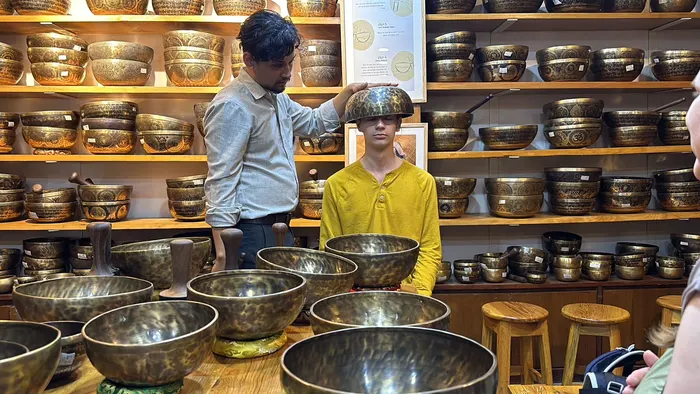
Singing bowls are Nepal's most exportable sleep aid. A skilled player moves through a sequence that entrains the listener's brainwaves toward the slow frequencies of early sleep, and the effect on a tired nervous system is immediate. It is not a cure on its own, but as the wind-down ritual of an evening it outperforms screens by a margin nobody disputes. Our sound healing meditation guide explains what a session involves and how to evaluate a practitioner.
Where Should You Practice Sleep Meditation in Nepal?
Location shapes the nervous system more than most travellers expect. The same twenty-minute body scan lands differently in a honking Thamel guesthouse than in a monastery courtyard at dusk. Here are the settings that consistently work for sleep-focused visitors, arranged from most urban to most remote.
Kathmandu Valley: Monasteries and Healing Centers
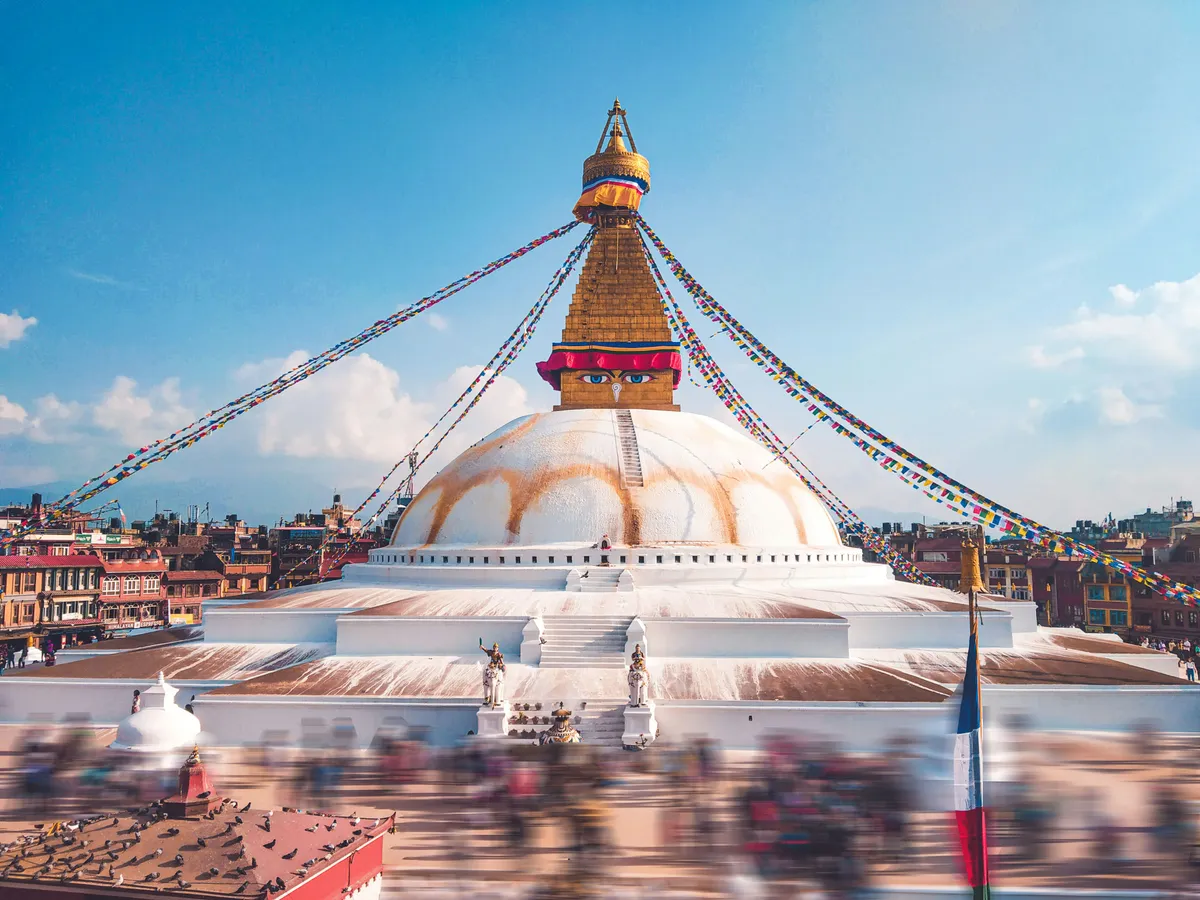
The valley is where most journeys begin, and it is well stocked with exactly the resources an insomniac needs: meditation centers with evening sittings, monasteries where the day's last puja is timed to the settling of light, and wellness studios offering restorative evening classes. Visitors planning a structured stay will find our guide to Kathmandu as a center of healing maps the options, from Reiki and energy work to Himalayan sound therapy. The city's advantage is density - you can sample several traditions in a week and find the one your nervous system says yes to, then go deeper.

Pokhara: Lakeside Evenings and Gentle Rhythm
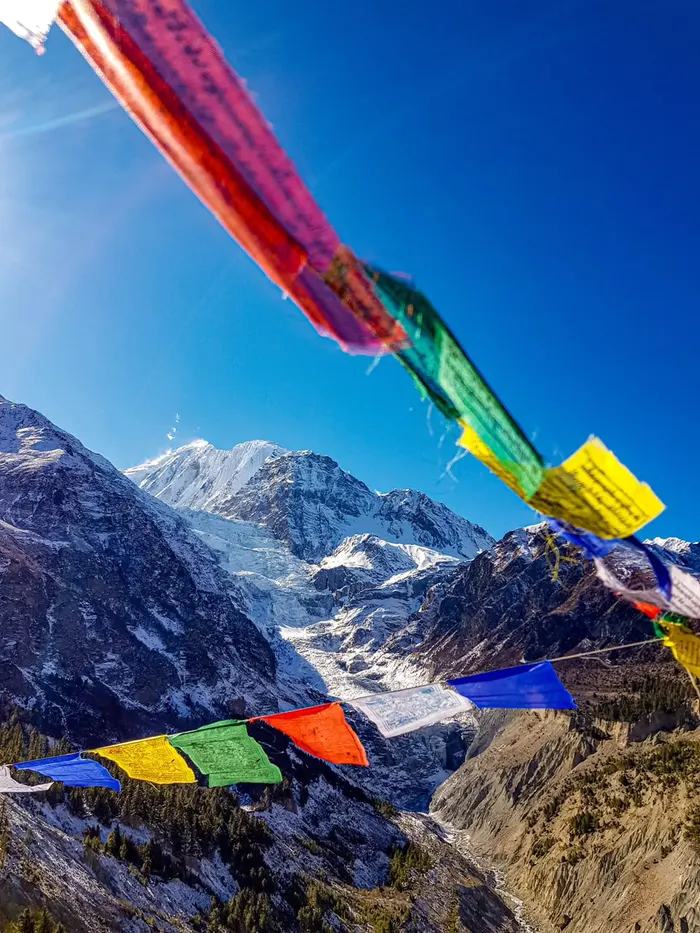
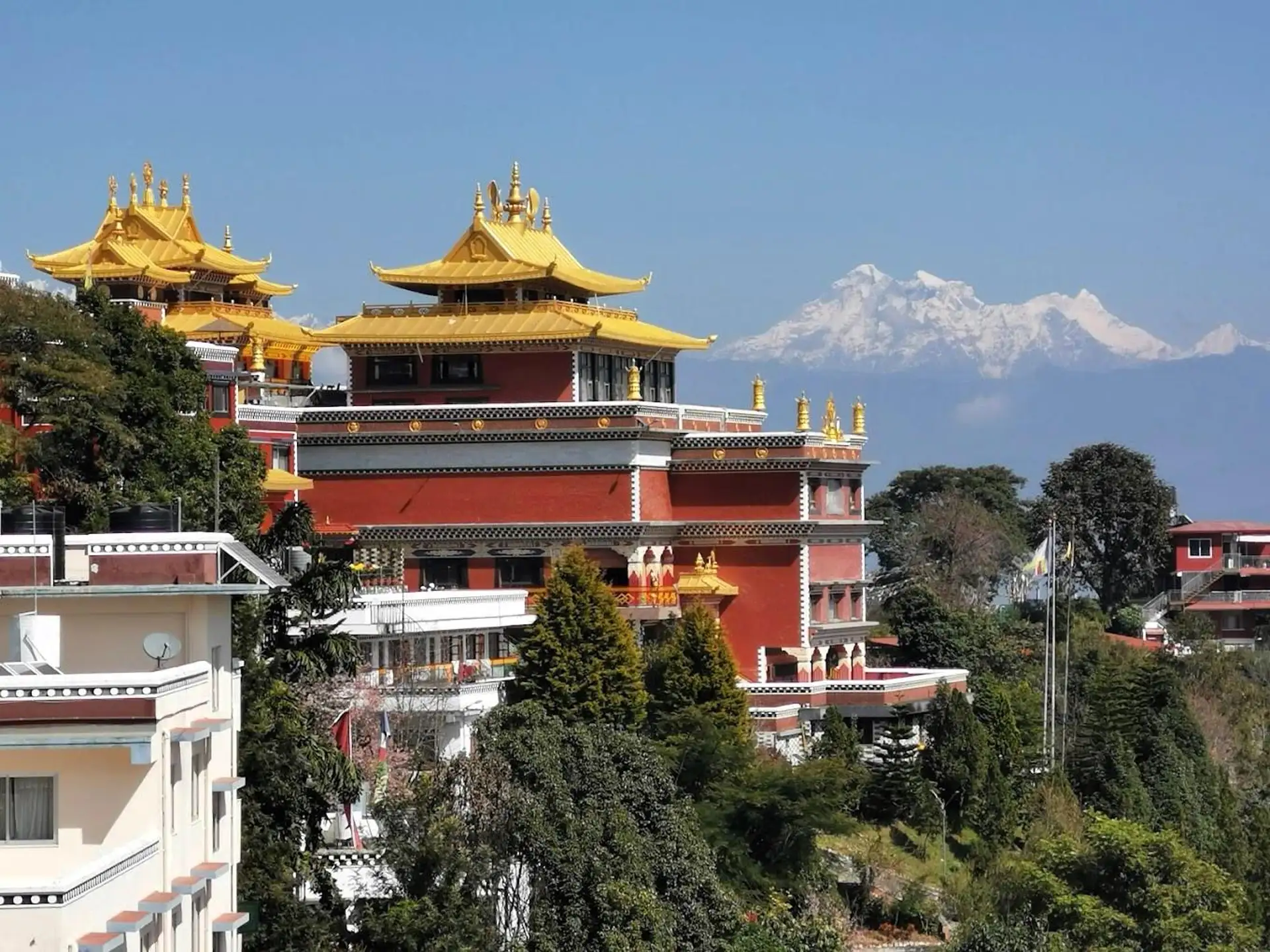
Pokhara's pace is visibly slower, and the lakeside shuts down early by big-city standards. Sunrise over Annapurna does something else that helps sleep: it drags the body clock back toward an alignment with natural light, which is the single most effective intervention for circadian insomnia. Mornings on the water, afternoon practice, early night. Travellers combining practice with gentle movement often follow the pattern described in our walking meditation and mindful trekking guide.

Lumbini: The Quietest Ground in the Country
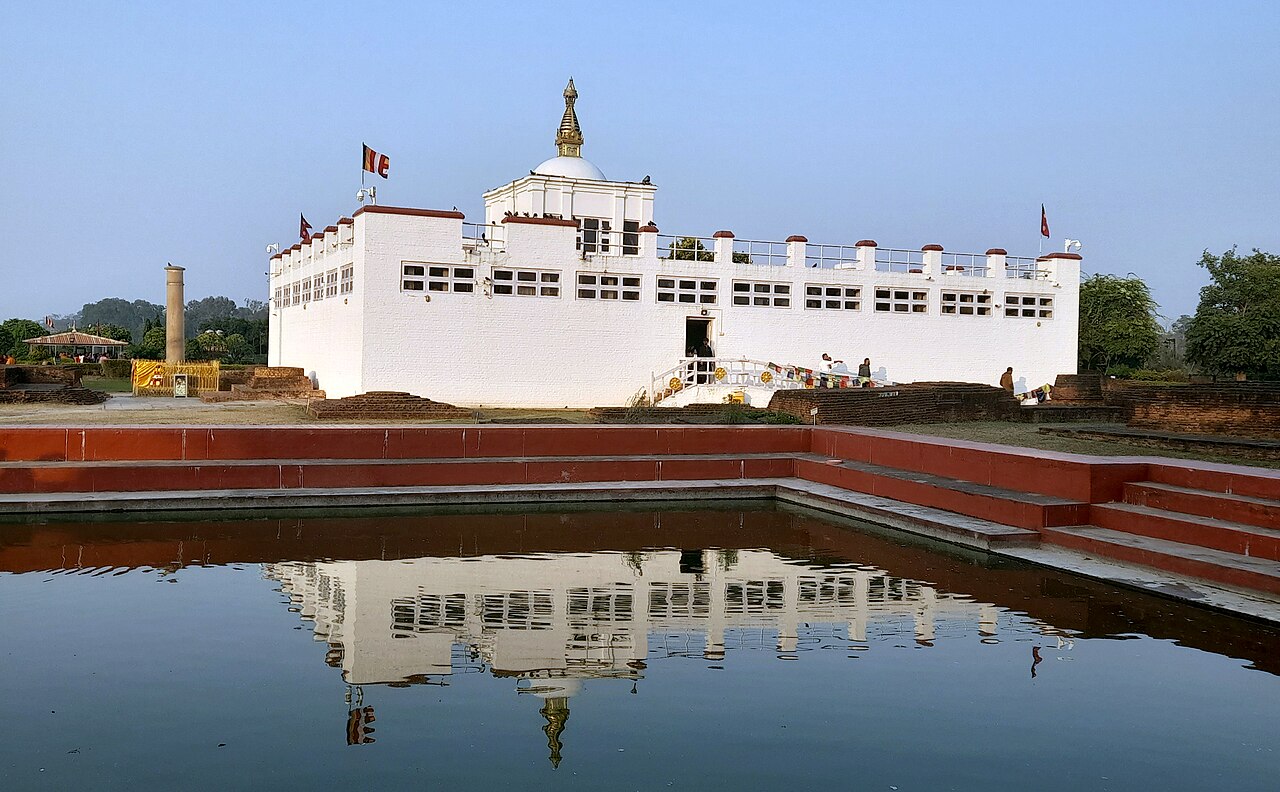
The birthplace of the Buddha is quiet on a different frequency. The monastic zone closes to vehicles, the gardens are vast, and the evening stillness has a weight you can feel in the chest. Sleep-focused visitors often report their first genuinely long night of sleep here, simply because nothing in the environment argues with rest. To plan the visit, our overview of Buddhist meditation and monastery stays in Nepal includes Lumbini options alongside valley monasteries.
Himalayan Retreat Settings: Altitude and Silence
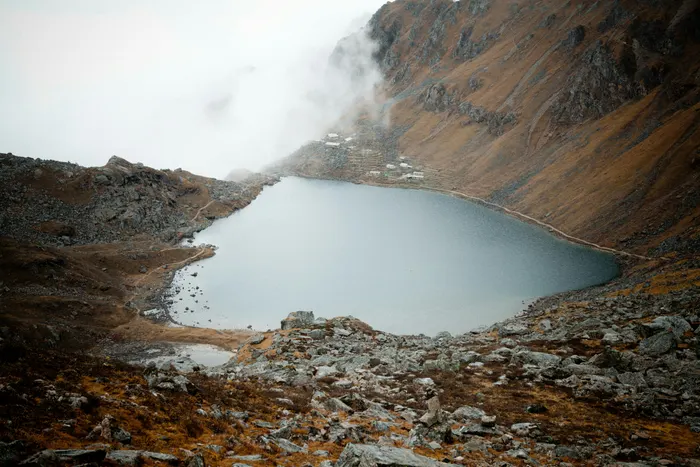
Higher up, the air itself cooperates: cool, thin, and free of the ambient electromagnetic noise of cities. Multi-day yoga-and-trek formats such as the Gosaikunda route pair daytime walking (itself a sleep pressure builder) with evening practice in settings where the loudest sound after dark is a stream. The pattern is described from the practitioner's side in our article on meditation and hiking in Nepal. One caution applies: arriving sleep-deprived at 3,000-plus metres is not ideal, so plan a valley acclimatisation night or two first.
How Should You Prepare for Sleep Meditation as a Traveller?
A sleep-focused trip rewards preparation more than most. Jet lag, caffeine habits and the urge to over-schedule are the three usual saboteurs. The weeks before departure matter too: if your sleep is severely disrupted, consult a doctor before travel, treat any underlying condition, and regard meditation as a complement to care, not a replacement for it. With that in place, a few practical rules carry most of the weight.
What Should You Do Before You Fly?
Start the wind-down ritual at home two weeks out, so the technique is familiar before it matters. Pick one practice - body scan or extended exhale are the usual choices - and do it nightly in bed, regardless of whether sleep follows. The goal is not to fix sleep at home; it is to make the technique automatic so that in Nepal, with a teacher and an environment helping, it finally has room to work. Our meditation retreat packing guide lists the small physical comforts (eye pillow, layers, earplugs for city nights) that make the practice easier.
How Do You Handle Jet Lag on Arrival?
Nepal sits at UTC+5:45, an offset that guarantees most arrivals arrive misaligned. Give yourself two or three low-expectation days: daylight exposure in the mornings, no caffeine after noon, and practice sessions without demanding that sleep improve on any particular night. Travellers who treat the first days as a bridge rather than a test sleep better by week two, almost without exception. If you are moving slowly through the valley, the first days also suit gentler formats - the itinerary logic in our slow trekking and mindfulness guide adapts well to city stays too.
What Does a Sleep-Focused Day Look Like?
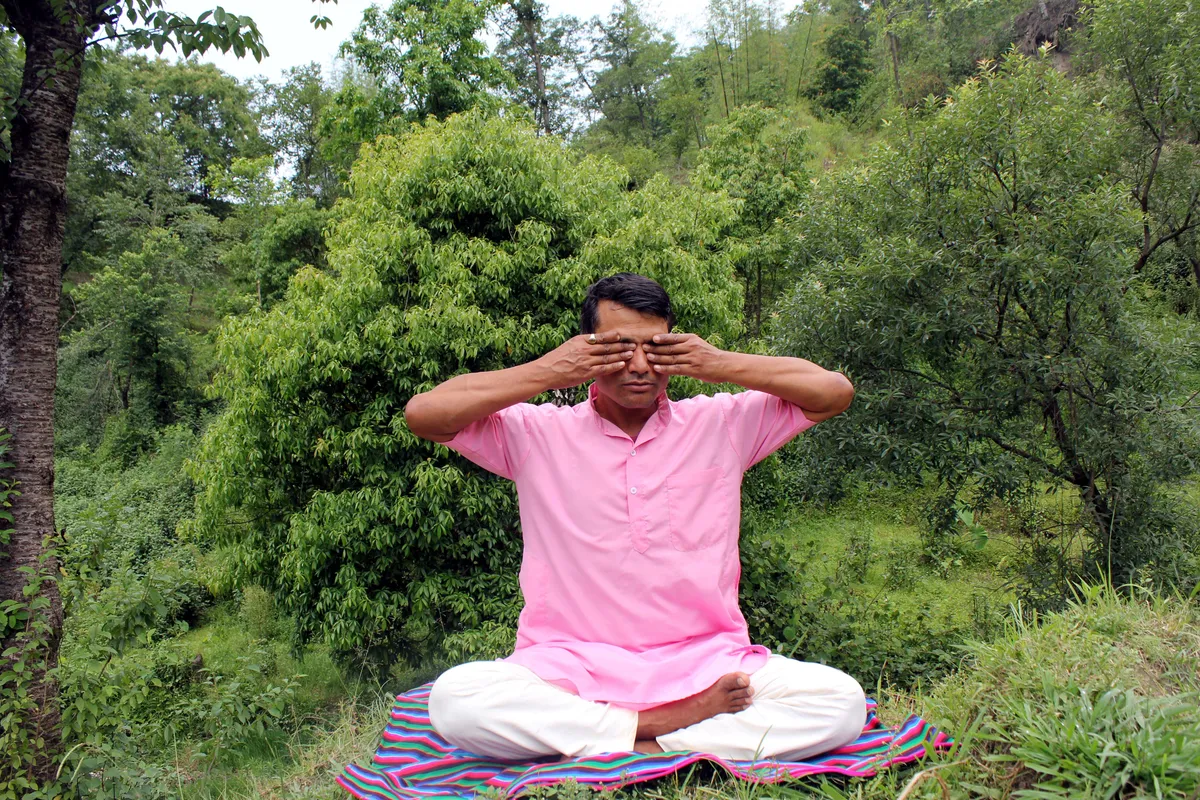
The daily shape that works looks roughly like this: rise with the light, some movement before breakfast, the main sit or class late afternoon when the nervous system wants to downshift, dinner early, then the personal wind-down practice in bed. Retreat schedules follow this arc automatically, which is precisely why a residential format beats hotel-plus-drop-in-classes for insomnia. Even budget formats work; affordable options are surveyed in our guide to budget meditation in Nepal.
Which Settings Suit Different Travellers?
Insomnia does not discriminate by travel style, and neither does Nepal's supply of suitable formats. Matching the setting to your temperament matters more than matching it to your technique.
Solo Travellers
Sleep problems and over-scheduling travel companions do not mix well; many sleep-focused visitors come alone precisely for the control over their own rhythm. Solo travel here is straightforward, and the practicalities are covered in our solo meditation travel guide for Nepal. The one solo-specific sleep tip: book the first three nights in the same guesthouse, because moving accommodation nightly resets exactly the environmental familiarity that sleep depends on.
Couples
Shared restlessness is common, and practising the wind-down together builds a couple's shared vocabulary for down time. Formats that blend practice with gentle sightseeing work best; the considerations are laid out in our couples meditation retreat guide.
Travellers With Anxiety
Anxiety-driven insomnia responds well to the combination of retreat structure and the Himalayan environment, but the preparation differs: longer programs beat shorter ones, and it helps to arrive with some prior exposure to stillness. Our guide to meditation for anxiety relief in Nepal covers the specifics, including when a silent retreat helps and when it overwhelms.
Silent Retreat Veterans
If you already have a practice, the question is not whether to come but how deep to go. A 10-day silent vipassana retreat in Nepal is the nuclear option: it reboots sleep architecture for many meditators, partly through sheer schedule regularity. Fair warning, though - sitting ten days with an untrained mind and a broken sleep history is a commitment, and the gentler stepped approach through evening classes suits most insomniacs better as a first visit.
How Long Until Sleep Improves?
Expectations deserve their own honest section. Most travellers notice a first genuinely settled night within the first week of structured practice - not because Nepal is magic, but because the inputs that wreck sleep (screens, irregular hours, caffeine, rumination) have been removed and replaced with a routine. By the end of a two-week stay, the majority of sleep-focused visitors describe falling asleep faster and waking less, with the caveat that the gains must be actively carried home.
The teachers here are refreshingly unboastful about it. Nobody promises to cure your insomnia in a weekend. What they promise is instruction, environment, and enough consecutive well-structured days for the nervous system to remember what unguarded rest feels like. For travellers who want the fuller context of what a contemplative trip to Nepal involves, our overview of spiritual tours in Nepal explains how practice fits into the wider circuit of sacred sites, and those planning multiple trips will find the year-planning perspective in the Nepal Wellness Tourism Year 2027 write-up useful for timing a return.
What Are the Sleep-Specific Pitfalls?
Three traps catch sleep-focused travellers in Nepal with some regularity, and all three are avoidable with a little planning.
The altitude miscalculation. Sleep at altitude is lighter even for healthy acclimatised trekkers, and arriving sleep-deprived at 3,800 metres can turn a mild pattern into a rough week. If mountains are on the itinerary, schedule valley nights first, ascend gradually, and treat the first high-altitude night as practice, not proof. The fuller acclimatisation logic lives in our meditation and hiking guide.
The over-scheduling spiral. Nepal rewards curiosity, and it is tempting to stack sunrise viewpoints, day trips and evening classes into every day. But insomnia feeds on exactly this. Two anchors per day - one morning, one evening - with empty space between them is the schedule of someone whose sleep improves on the trip rather than after it.
The technique-hopping itch. Sampling five traditions in five days is fun, but the nervous system consolidates through repetition. Teachers here will happily let you try everything; they will also quietly note that the students whose sleep improves are the ones who picked one evening practice and kept it.
Bringing the Practice Home
The last morning of a retreat is when the real project begins. Nepal gives you the conditions; home gives you the habits. The transition plan that works is almost boringly simple: fix a nightly wind-down slot (same practice, same order), protect morning light exposure, and treat every broken night as a night, not a verdict. Meditators who keep the evening body scan going report that the travel gains hold, with the odd wobble during high-stress weeks - which the practice also gives them tools to absorb.
If the practice takes root, many travellers want to go further - a longer silent retreat, a teacher training, or a return trip timed to a different season. The progression routes are mapped in our meditation teacher training guide, and returning visitors often enjoy contrasting a first trip with the deeper historical perspective in the history of meditation in Nepal. Whichever direction the journey takes, the full range of guided meditation experiences in Nepal is a good place to see every format side by side before committing to the next step.
Insomnia responds to conditions, and Nepal quietly supplies the conditions that most modern environments have stripped away: real darkness, real quiet, days shaped by light rather than notifications, and a culture that treats rest as a skill rather than a weakness. A sleep-focused meditation journey here is not an escape from the problem. It is a practicum in the one discipline your nights have been asking for - and it comes taught by people whose ancestors wrote the textbook.