Cable Car Pilgrimage in Nepal: Manakamana, Kalinchowak and Scenic Ropeways
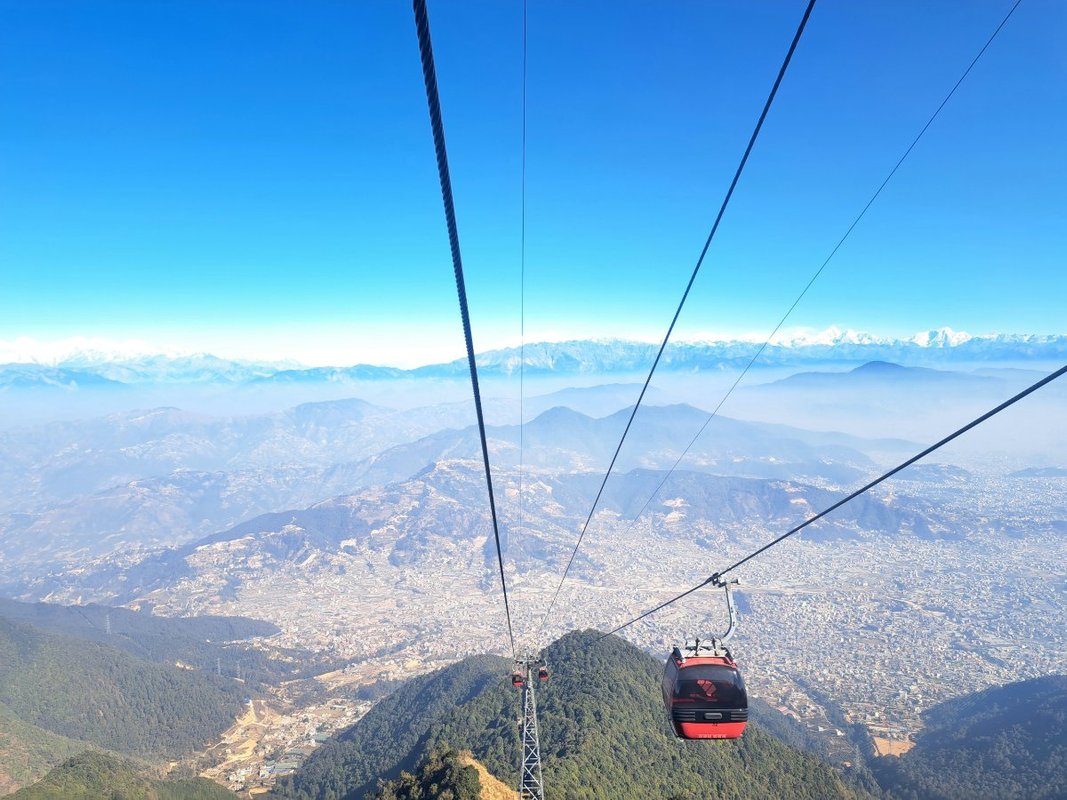
Nepal's cable cars do more than transport you up a mountain. They carry pilgrims to sacred hilltop temples, reveal panoramic Himalayan vistas that would take days of trekking to reach, and make spiritual journeys accessible to travelers of every age and fitness level. From the iconic Manakamana Cable Car in Gorkha to the newer Kalinchowak ropeway in Dolakha, cable car experiences in Nepal blend adventure, devotion and mountain scenery into a single unforgettable ride.
Whether you are a pilgrim seeking darshan at a hilltop temple, a photographer chasing the perfect valley panorama, or a family looking for an accessible day trip from Kathmandu, this guide covers every operating cable car in Nepal, with real prices, timing, spiritual context and practical tips for 2026 and beyond.
Why Are Cable Cars So Important in Nepal?
Nepal's hill country is steep, deeply folded and often impassable by road. For centuries, pilgrims reached mountaintop shrines on foot, climbing for hours through forest and fog. Cable cars changed that. They made sacred sites accessible to elderly devotees, families with children and travelers with limited mobility, while still preserving the pilgrimage spirit of the journey.
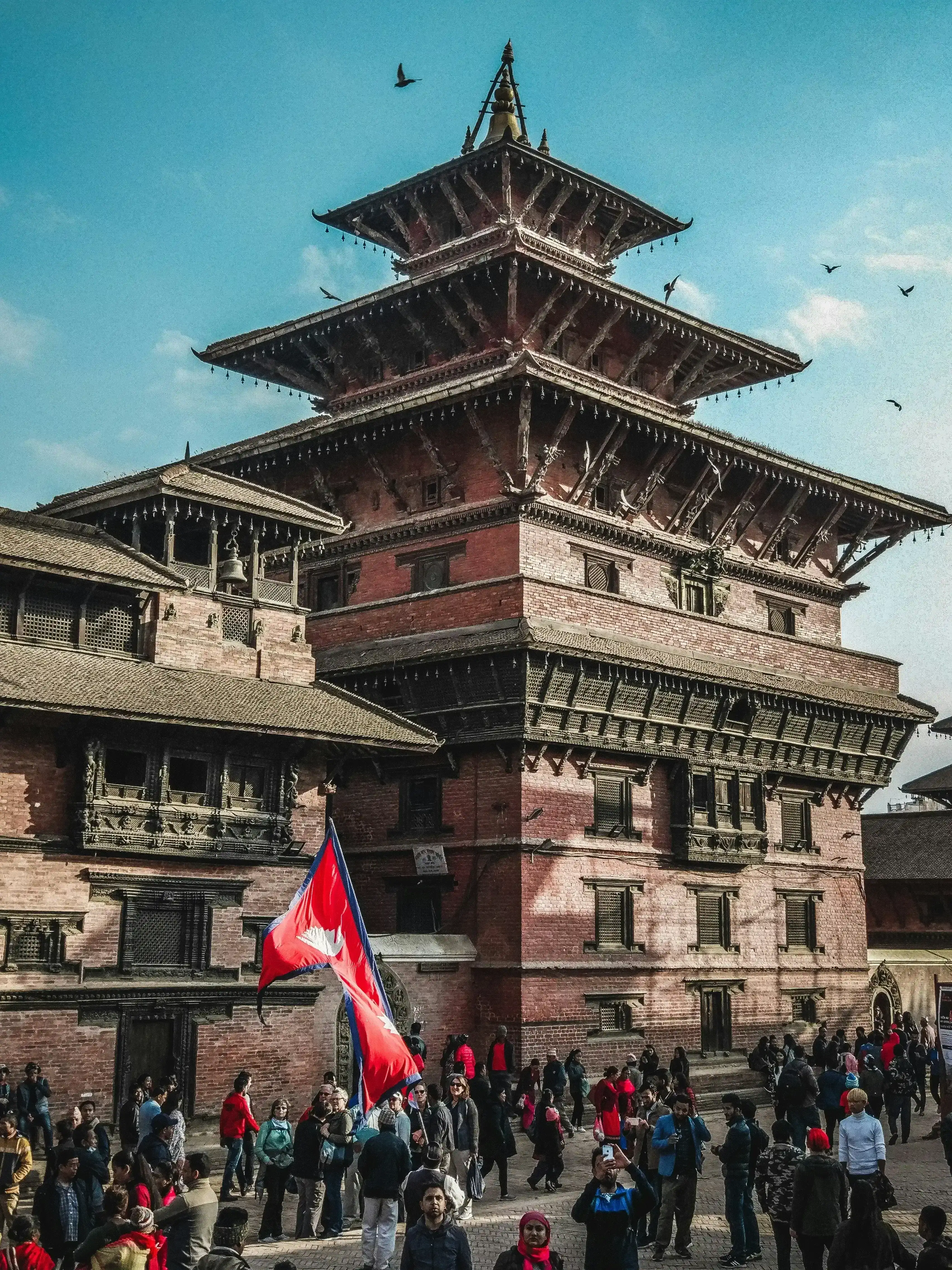
The first commercial cable car in Nepal, the Manakamana Cable Car, opened in 1998. It slashed a three-hour uphill trek to a ten-minute gondola ride. Since then, cable cars have become cultural institutions in their own right, connecting valleys to temples, cities to viewpoints and travelers to experiences they might otherwise never reach. For a deeper understanding of how Nepal's spiritual landscape is connected, read our complete guide to cultural and spiritual tours in Nepal.
Which Cable Cars Are Operating in Nepal Right Now?
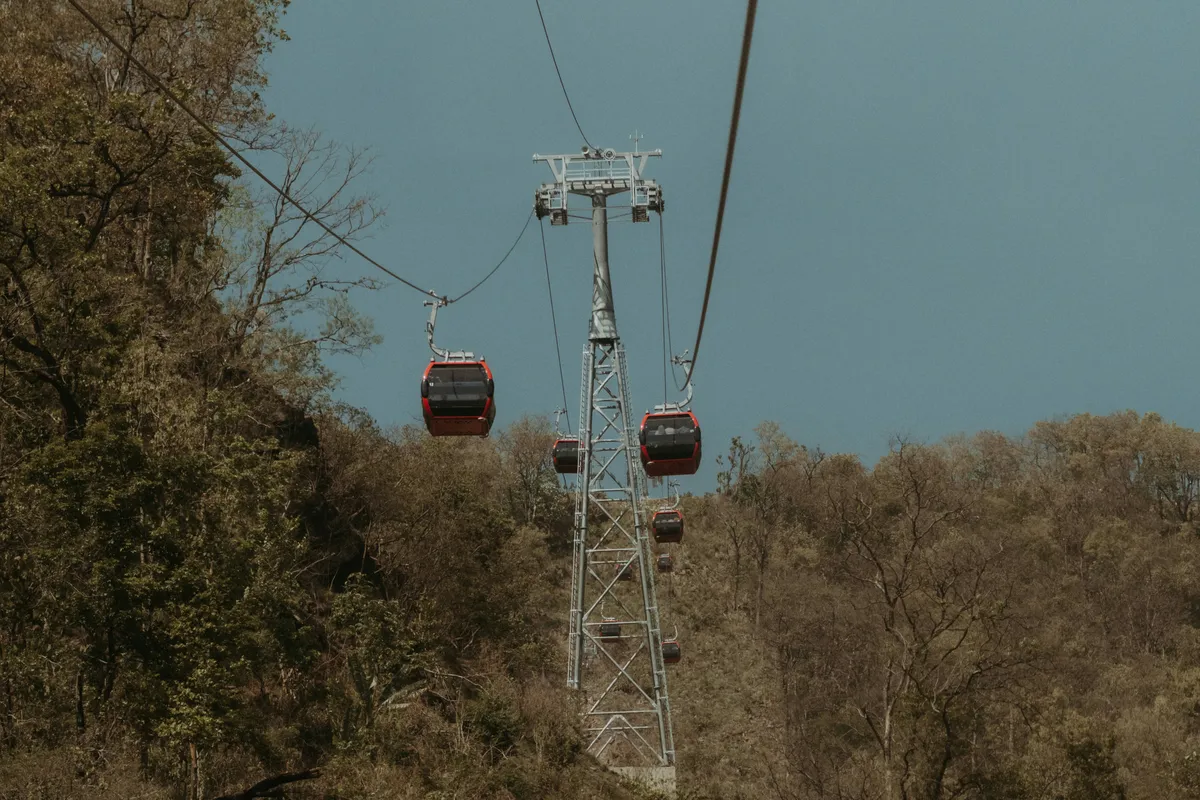
As of 2026, three major cable car systems operate in Nepal, each serving a distinct purpose and region. A fourth, the Kalinchowak Cable Car, opened recently in Dolakha district. Together they cover the most significant hilltop pilgrimage and viewpoint destinations outside the main trekking regions.
- Manakamana Cable Car (Gorkha) - the original, serving the famous Wish-Fulfilling Goddess temple
- Chandragiri Cable Car (Kathmandu Valley) - panoramic Himalayan views and the Bhaleshwar Mahadev temple
- Kalinchowak Cable Car (Dolakha) - the newest, connecting to the Kali shrine at 3,842 metres
- Pathibhara Cable Car (Taplejung) - proposed and under discussion for the Limbu pilgrimage site
Each cable car serves a different spiritual tradition. Manakamana is Hindu. Chandragiri blends Hindu and Buddhist influences. Kalinchowak serves both Hindu and Buddhist devotees. Understanding these distinctions helps you plan a journey that respects local traditions, much like the guidance in our complete guide to trekking in Nepal, which covers agency selection for spiritual journeys.
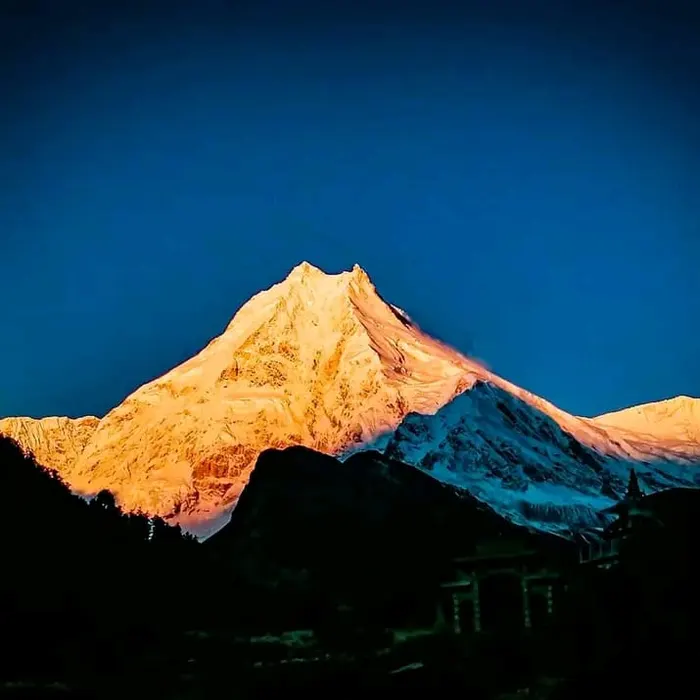
Manakamana Cable Car: The Wish-Fulfilling Goddess
The Manakamana Cable Car is the most famous ropeway in Nepal and the one most international travelers know. It runs from the station at Kurintar on the Prithvi Highway, about 104 kilometres west of Kathmandu, up to the Manakamana temple at 1,302 metres elevation. The ride covers 2.8 kilometres in approximately 10 minutes, soaring above the Trishuli river and terraced hillsides.
The temple itself is dedicated to the Goddess Bhagwati, an incarnation of Durga, who is believed to grant the wishes of devotees who visit with sincere hearts. Pilgrims from across Nepal and India travel here year-round, especially during Dashain, the biggest Hindu festival in Nepal, when the queue for the cable car can stretch for hours.
What Is the Manakamana Cable Car Ticket Price?
The Manakamana cable car ticket price for foreign nationals is approximately NPR 550 (about USD 4) for a one-way ride and NPR 940 (about USD 7) for a round trip. For Nepali citizens and SAARC nationals, the fare is significantly lower, around NPR 425 round trip. Children below 3 feet travel free, and those between 3 and 4 feet pay half price.
Tickets can be purchased at the station counter or online through the Manakamana Darshan website. During festival seasons, especially Dashain and Nag Panchami, booking online in advance is strongly recommended to avoid queues that can last 2-3 hours.
When Is the Best Time to Visit Manakamana?
The best time to visit Manakamana is from October to December, after the monsoon rains have cleared and the skies are bright. The cable car operates daily from 9:00 AM to 5:00 PM, but during Dashain it opens as early as 7:30 AM. Avoid the monsoon months of June to August when heavy rain can cause closures and visibility is poor.
If you want a quieter experience, visit on a weekday morning in November. The crowds are thinner, the air is crisp and the Trishuli river below sparkles in the autumn light. For more seasonal guidance across Nepal, our sunrise and sunset guide covers the best golden hour timing for hilltop viewpoints.
Chandragiri Cable Car: Kathmandu's Scenic Gateway
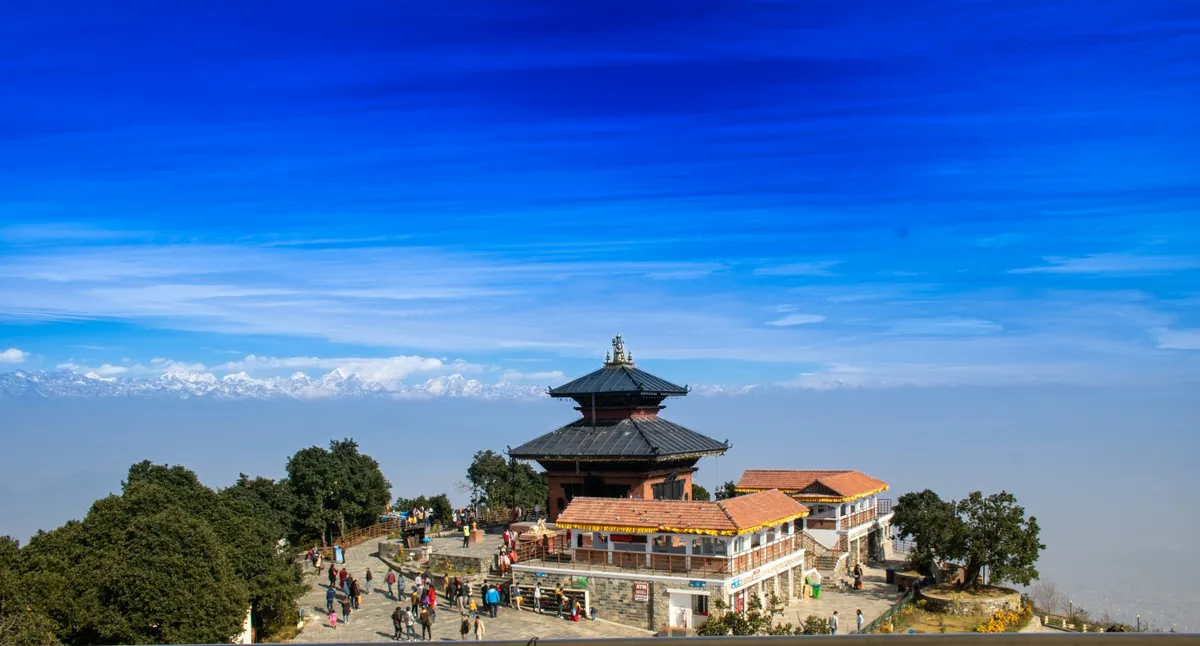
The Chandragiri Cable Car opened in 2015 and is the most accessible cable car from Kathmandu. The lower station is at Thankot, about 16 kilometres from Thamel, and the ride climbs to 2,547 metres in about 9 minutes. At the top sits the Bhaleshwar Mahadev temple, dedicated to Lord Shiva, along with a viewing tower that offers one of the finest panoramic views of the Himalayan range from the Kathmandu Valley rim.
On a clear day, you can see eight Himalayan peaks from Chandragiri, including Annapurna, Manaslu, Ganesh Himal, Langtang, Dorje Lakpa and even Everest on exceptionally clear days. The viewing platform at the summit is free to access with your cable car ticket, and there is a restaurant serving Nepali and continental food.
How Much Does the Chandragiri Cable Car Cost?
For foreign nationals, the Chandragiri cable car ticket costs approximately NPR 700 (about USD 5) one-way and NPR 1,000 (about USD 7.50) round trip. Nepali citizens pay around NPR 500 round trip. The cable car runs daily from 8:30 AM to 5:00 PM, with extended hours during weekends and holidays.
What Makes Chandragiri Special for Spiritual Travelers?
The Bhaleshwar Mahadev temple at the summit is a working Shiva shrine where priests conduct daily pooja. The site is linked to the legend of Lord Shiva wandering these hills in grief after the death of Sati. The temple is modest but deeply revered by local communities, and the cable car has made it a popular pilgrimage destination for Kathmandu residents.
Chandragiri also connects to the broader spiritual circuit of Kathmandu Valley, which includes Pashupatinath, Boudhanath and Swayambhunath. Many travelers combine a morning cable car ride to Chandragiri with an afternoon visit to the Monkey Temple, creating a full sacred hilltop day trip from the city.
Kalinchowak Cable Car: Nepal's Newest Ropeway
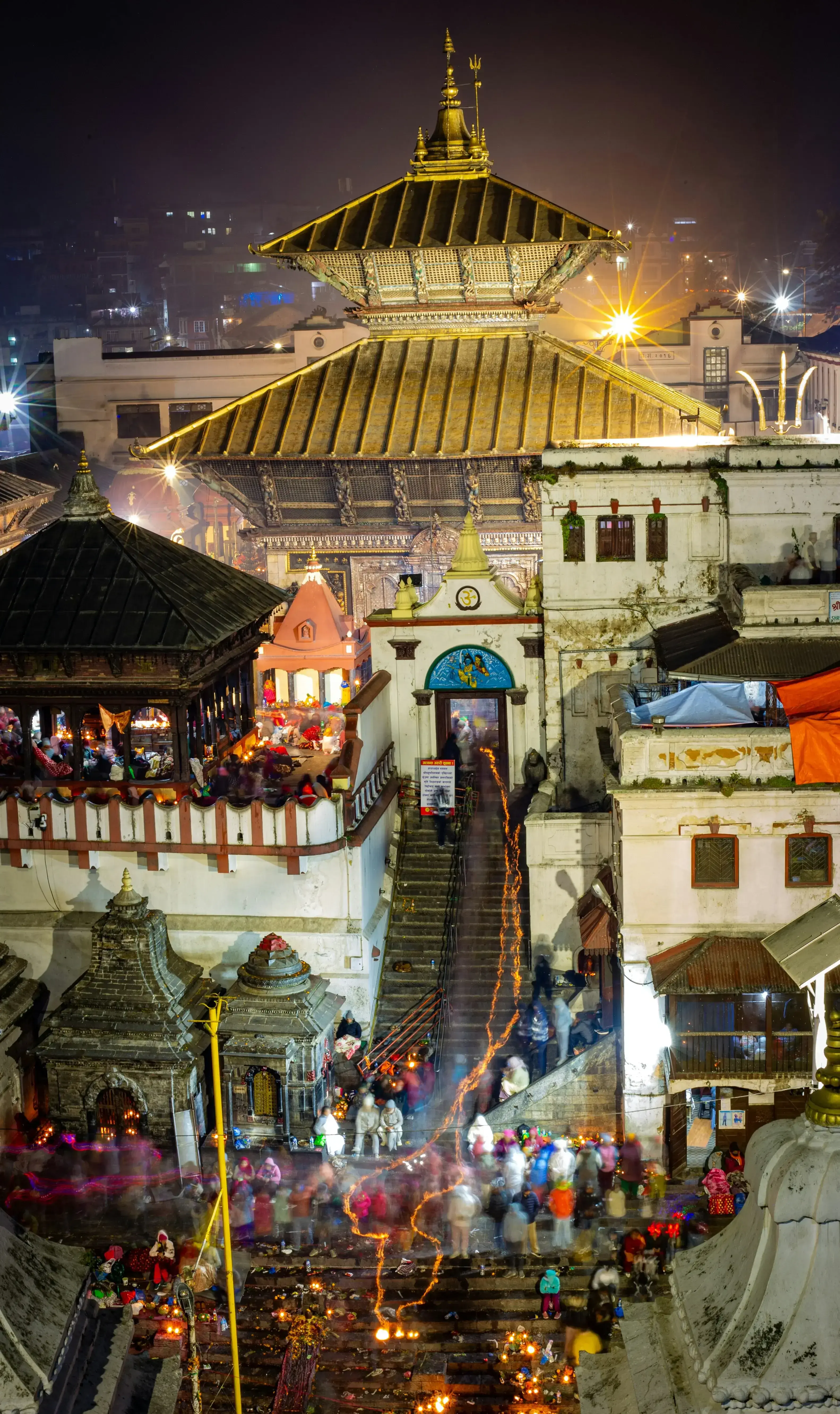
The Kalinchowak Cable Car, also spelled Kalinchowk, is the newest cable car system in Nepal, opened in 2022 in Dolakha district, about 150 kilometres east of Kathmandu. It runs from Kuri village at 1,460 metres up to the Kali temple at 3,842 metres, a dramatic elevation gain of over 2,300 metres in a ride lasting approximately 7 minutes.
The Kali temple at the summit is sacred to both Hindu and Buddhist communities. It is one of the highest temples reachable by cable car in the world. In winter, the summit receives heavy snowfall, making it a popular destination for Nepali tourists who have never seen snow. In spring and autumn, the 360-degree views of Gauri Shankar, Rolwaling and the eastern Himalaya are staggering.
What Should You Know Before Riding the Kalinchowak Cable Car?
The Kalinchowak cable car ticket price for foreigners is approximately NPR 600 (about USD 4.50) one-way. The ride is shorter than Manakamana but the elevation gain is extreme, so travelers with heart conditions or altitude sensitivity should consult a doctor before visiting. The summit can be cold even in summer, so carry warm layers.
Accommodation is available at Kuri village at the lower station, with basic lodges and homestays offering a genuine rural Nepali experience. Many visitors stay overnight to catch the sunrise from the temple summit. For travelers interested in connecting with rural Nepali life, our community homestay guide covers similar village experiences across Nepal.
How Do Cable Cars Connect to Nepal's Spiritual Heritage?
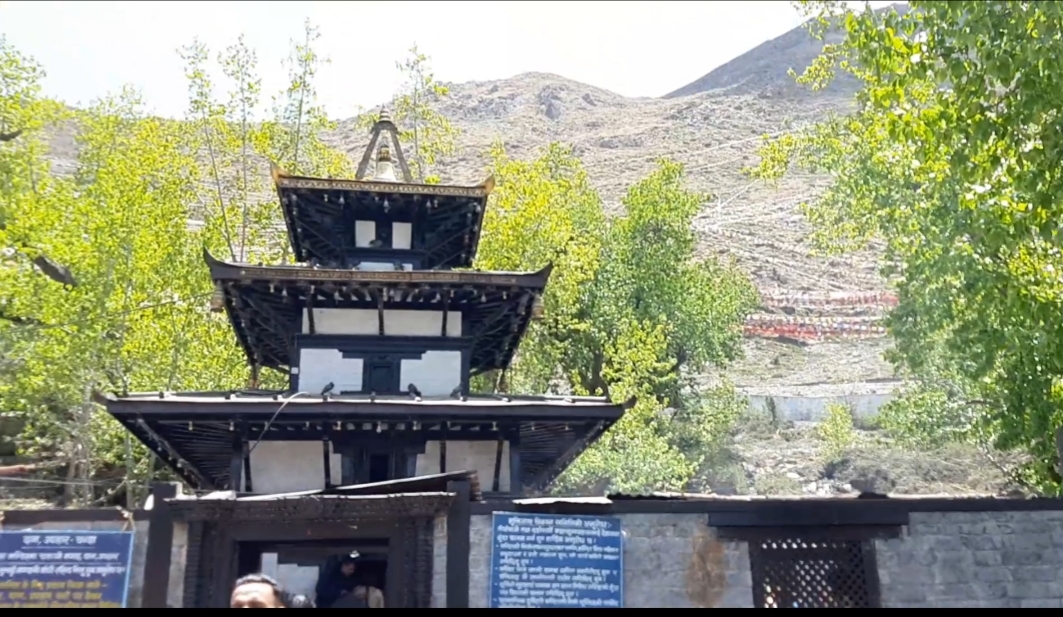
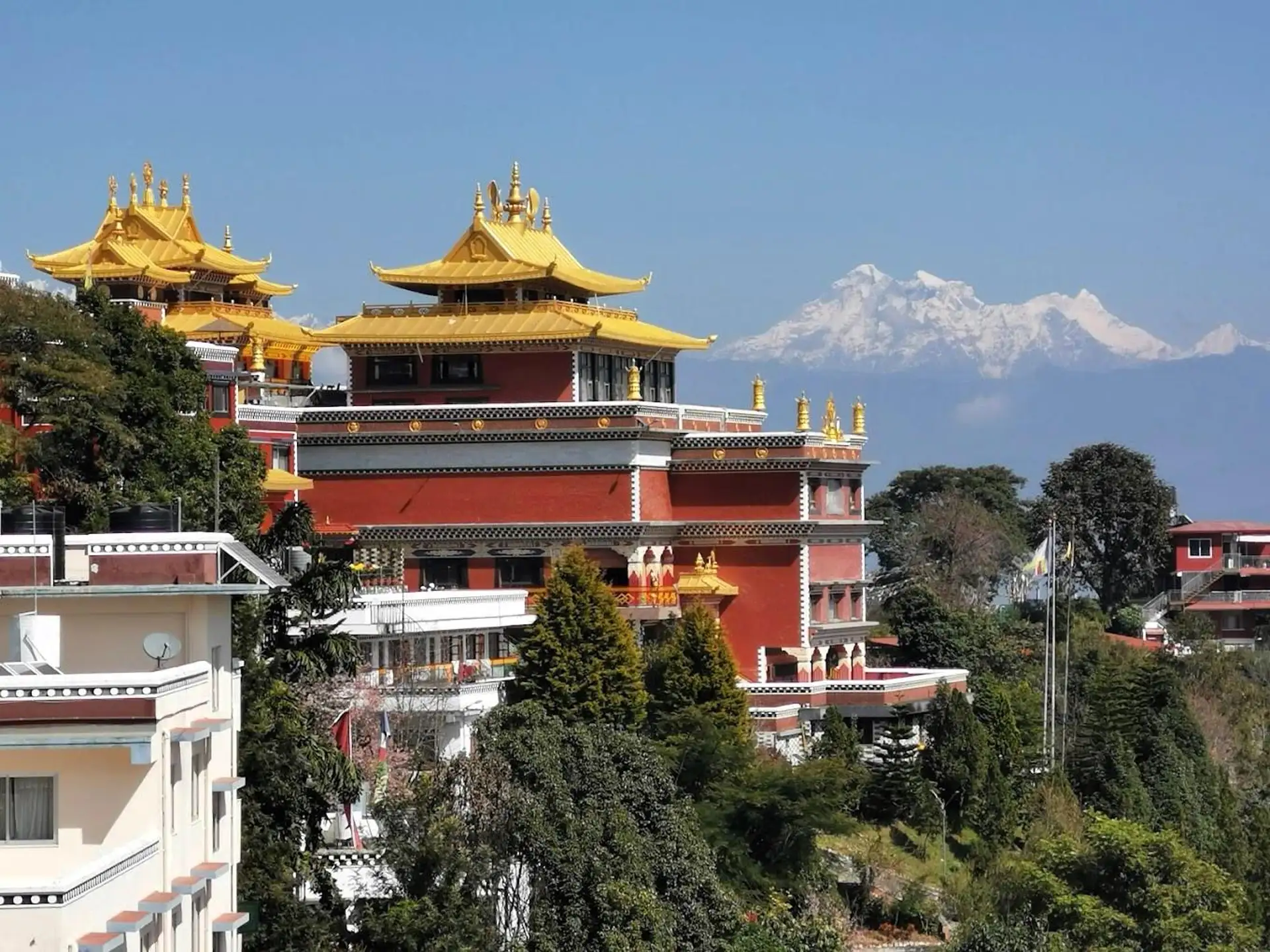
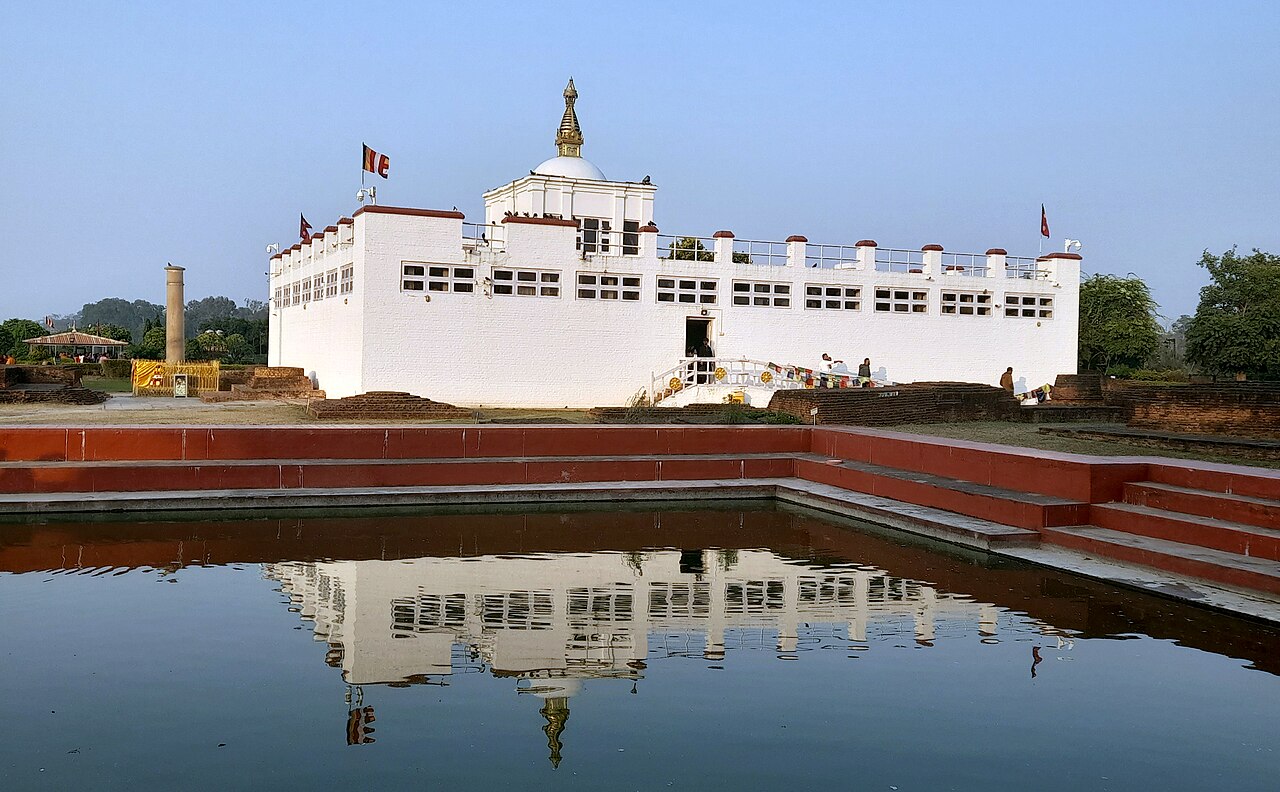
Every cable car in Nepal serves a temple. This is not a coincidence. Nepal's hilltops have been sacred for millennia, and the cable cars were built to make these shrines accessible to all. The Manakamana temple is a Shakti Peeth, one of the most powerful Goddess sites in South Asia. The Chandragiri temple is a Shiva site linked to the same mythological cycle as Pashupatinath. The Kali temple at Kalinchowak is a Tantric pilgrimage destination.
This means a cable car ride in Nepal is never just a tourist activity. You are traveling a pilgrimage route, sharing a gondola with devotees who may have saved for months to make the journey. The atmosphere inside the cabin is often reverent, with many passengers chanting mantras or closing their eyes in prayer as they ascend.
Understanding this spiritual dimension transforms the experience. You are not just riding a cable car for the view. You are participating in a living tradition of hilltop pilgrimage that predates the ropeway by centuries. For a comprehensive overview of Nepal's sacred geography, the meditation and spiritual retreats guide provides context on how Himalayan landscapes shape inner practice.
What Is the Best Season for Cable Car Tours in Nepal?
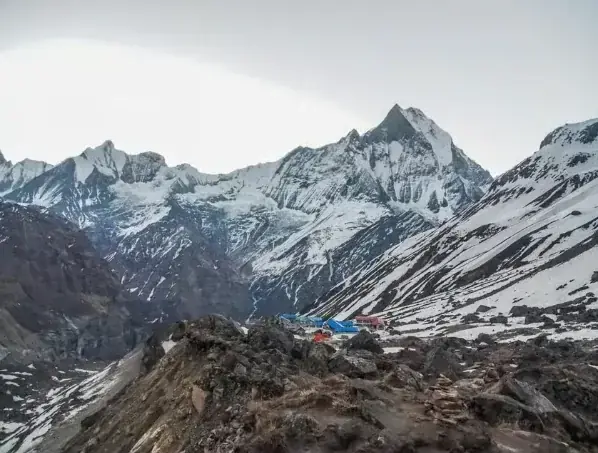
The best season for cable car tours in Nepal is October through December, when post-monsoon skies are clear, temperatures are mild and the Himalayan views are at their finest. March and April are also excellent, with rhododendron blooms adding color to the hillsides around Chandragiri and the Manakamana approach.
Season-by-season breakdown:
- October to December: Best overall. Clear skies, comfortable temperatures, minimal rain. Peak pilgrimage season at Manakamana during Dashain (usually October).
- January to February: Cold but very clear. Kalinchowak gets snow. Chandragiri can be chilly but views are crisp. Fewer crowds.
- March to April: Spring blooms, warm days, good visibility. Second-best season after autumn.
- May to June: Hot and hazy. Views diminish as humidity builds. Still operational but less rewarding.
- July to September: Monsoon. Rain and cloud can cause closures. Not recommended for cable car tourism.
How Much Does a Full Cable Car Day Trip Cost?
A complete cable car day trip from Kathmandu, including transport, cable car ticket, food and a guide, costs approximately USD 50 to 120 per person depending on the destination and package. Here is a rough breakdown for the three main cable cars:
For Chandragiri (closest to Kathmandu): taxi or private car to Thankot (USD 15-25 round trip), cable car ticket (USD 7.50 round trip), lunch at the summit restaurant (USD 10-15). Total: approximately USD 35-50 per person without a guide.
For Manakamana (a full day trip): tourist bus to Kurintar (USD 8-12), cable car (USD 7 round trip), lunch at the temple (USD 8-12), return bus (USD 8-12). Total: approximately USD 31-43 per person. With a private car and guide, expect USD 100-150 per person.
For Kalinchowak (requires overnight): local bus to Kuri (USD 12-15), cable car (USD 9 round trip), overnight lodge (USD 15-25), meals (USD 10-15). Total: approximately USD 46-64 per person. The journey is long and best done with a tour operator.
What Should You Pack for a Cable Car Tour?
Cable car tours require minimal gear compared to trekking, but the hilltop summits can be surprisingly cold and windy. Here is a practical packing list:
- Warm jacket or fleece (especially for Chandragiri and Kalinchowak, where summit temperatures can drop 10-15 degrees below valley level)
- Sun hat, sunglasses and sunscreen (UV is intense at altitude)
- Comfortable walking shoes (the temple approach involves short uphill walks)
- Small daypack for water and snacks
- Camera or phone with extra battery (cold drains batteries faster)
- Light scarf or shawl for temple visits (covering shoulders is respectful)
- Small Nepali rupees for offerings, pooja and tips
For travelers connecting cable car tours with longer treks, the packing requirements change significantly. Our trekking agency guide covers full trekking preparation in detail.
Can Elderly Travelers and Families Use Cable Cars?
Yes, cable cars are the most accessible way for elderly travelers and families with young children to experience Nepal's hilltop temples and Himalayan viewpoints without trekking. The gondolas are enclosed, stable and equipped with seating. Wheelchair access is available at Manakamana and Chandragiri stations.
For elderly pilgrims, the cable car is often the only practical way to reach these sacred sites. Many Nepali families bring elderly parents for darshan at Manakamana, making the cable car a deeply meaningful intergenerational experience. The same accessibility makes cable car tours ideal for travelers with mobility limitations who still want to experience Himalayan grandeur.
If you are planning a gentle spiritual journey for seniors, combining a cable car ride with valley-floor temple visits creates a rich but comfortable itinerary. The cable car itself handles the hard part of the climb, leaving the spiritual experience accessible to all.
What Are the Cultural Etiquette Rules at Hilltop Temples?
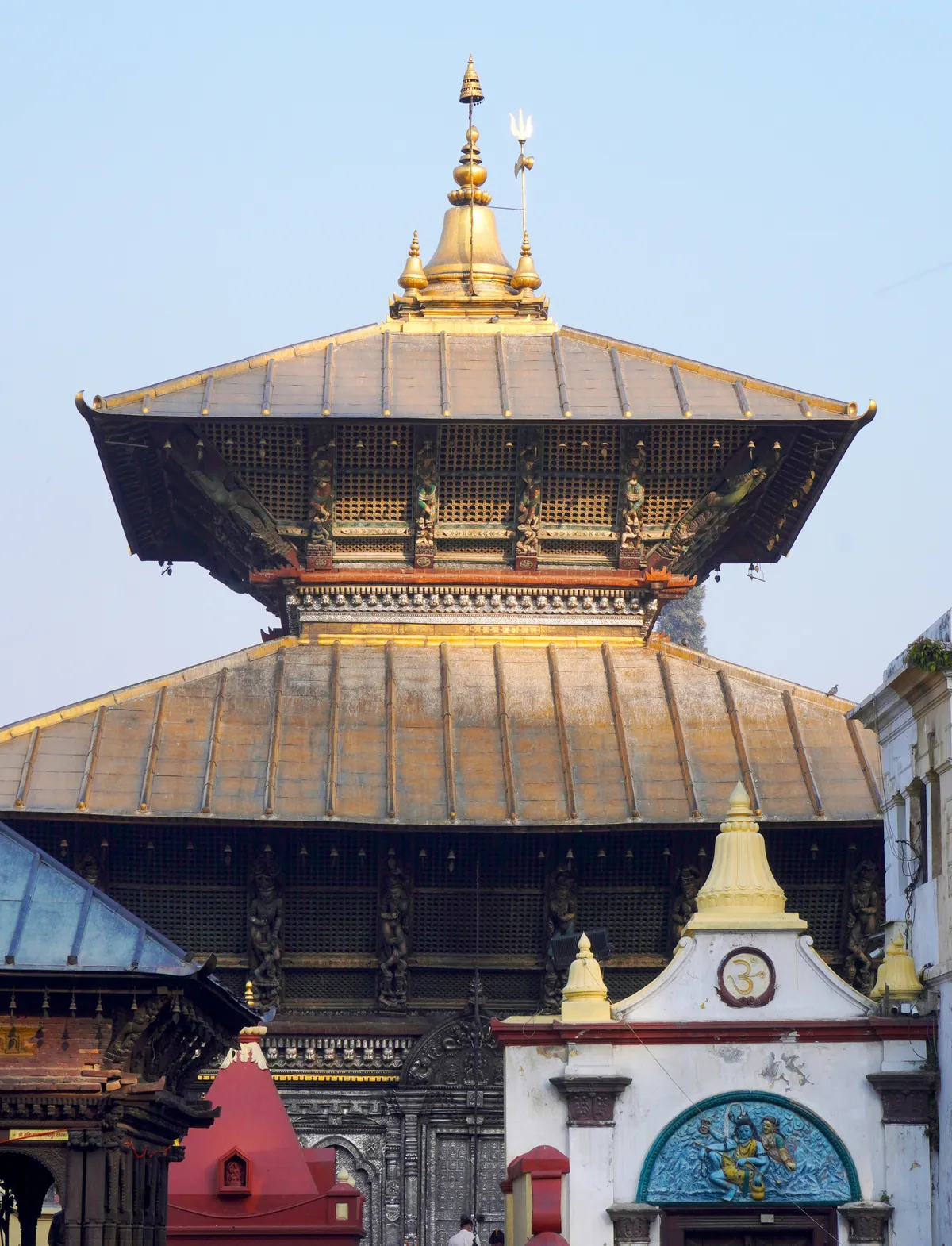
Since every cable car in Nepal serves a temple, understanding basic temple etiquette is essential. Remove your shoes before entering any temple building. Dress modestly, covering shoulders and knees. Do not point your feet at deity images or monks. Photography is usually allowed in the courtyard but not inside the inner sanctum. Always ask before photographing devotees or rituals.
At Hindu temples like Manakamana, you may be offered prasad (blessed food), which should be received with the right hand. At Buddhist sites, walk clockwise around stupas and chortens. For a comprehensive guide to sacred conduct, read our monastery etiquette and meditation guide, which covers dress codes, offerings and respectful behavior in detail.

How Do You Combine Cable Cars With Other Spiritual Experiences?
Cable car tours work beautifully as part of a broader spiritual itinerary in Nepal. Here are three proven combination routes:
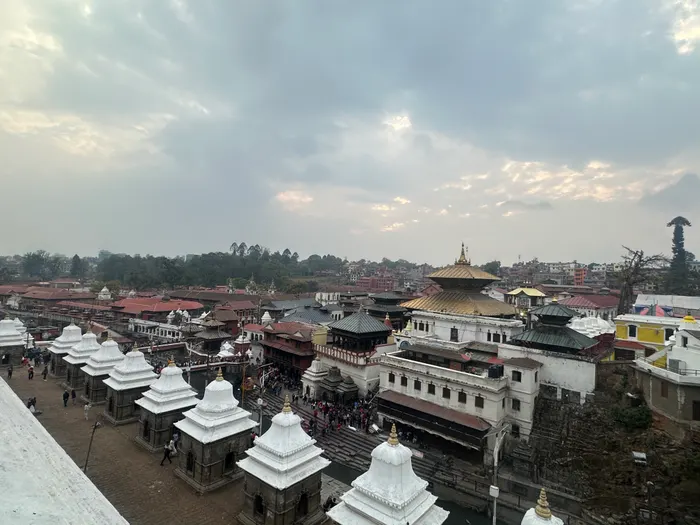
Route 1: Kathmandu Valley Sacred Circuit - Start with the Chandragiri cable car in the morning for Himalayan views and the Bhaleshwar Mahadev temple. Afternoon: visit Swayambhunath (Monkey Temple), then Pashupatinath for evening aarati. This is a full-day circuit covering Hindu, Buddhist and panoramic viewpoints, all within Kathmandu Valley.
Route 2: Manakamana Plus Pokhara - Take the morning bus to Kurintar, ride the Manakamana cable car for darshan, then continue west to Pokhara. Next day: sunrise at Sarangkot, then explore the lakeside temples and meditation centers. This two-day route combines the most popular hilltop pilgrimage with Pokhara's spiritual lakeside atmosphere.
Route 3: Kalinchowak and Rolwaling - For adventurous travelers, ride the Kalinchowak cable car, then trek into the Rolwaling Valley, one of Nepal's most remote and spiritually charged regions. This combination blends accessible pilgrimage with genuine wilderness trekking.
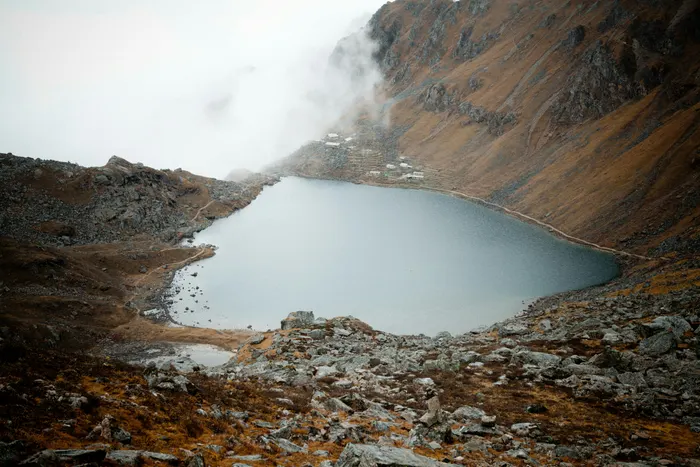
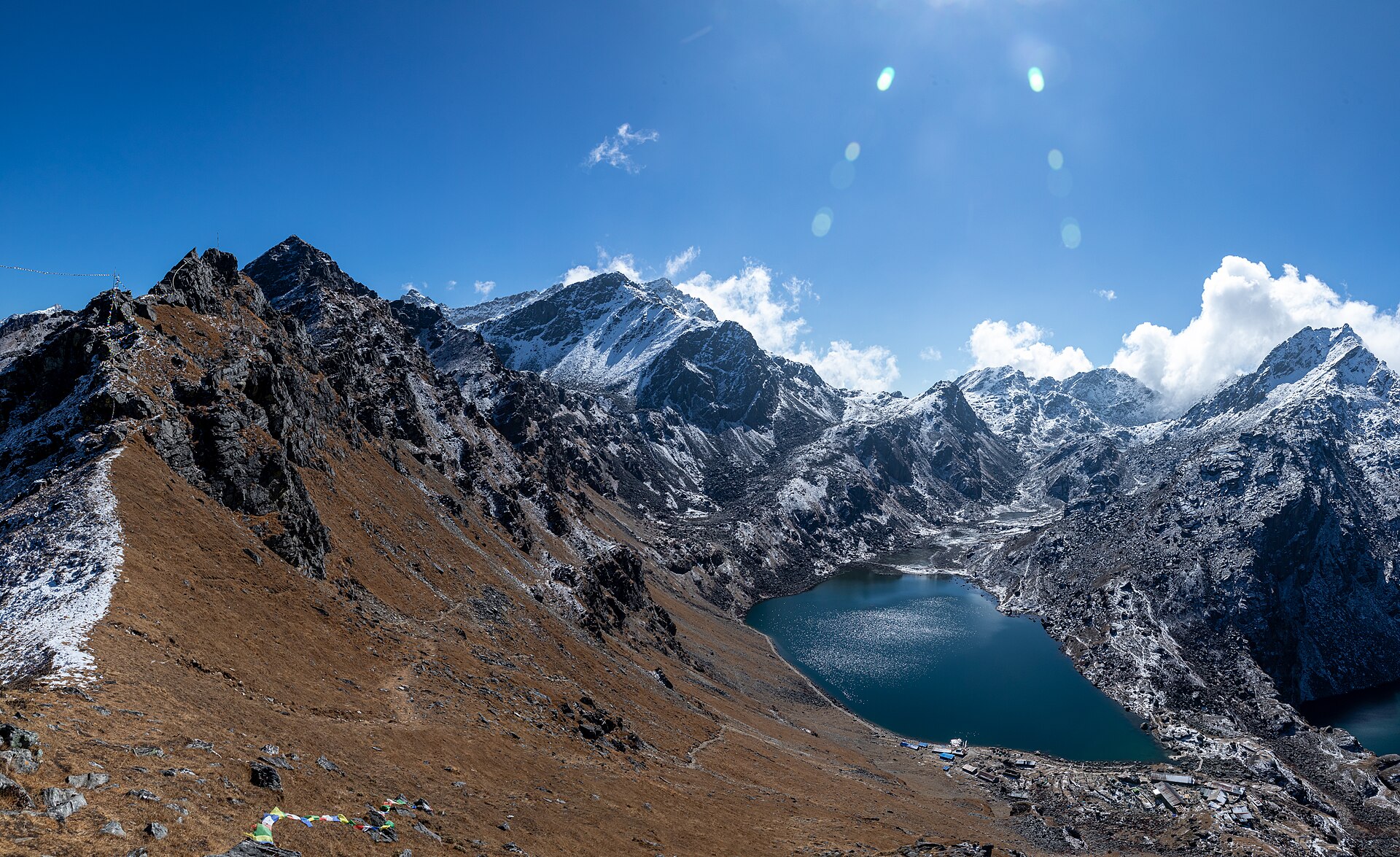
These routes complement the deeper spiritual journeys described in our Muktinath pilgrimage guide and the Gosaikunda sacred lake pilgrimage, which cover more demanding sacred journeys on foot.
What Are the Common Mistakes to Avoid?
Several mistakes can diminish your cable car experience. First, arriving without checking the weather. Mountain weather can change in minutes, and riding a cable car into cloud means zero visibility. Check the forecast for the summit, not just the valley.
Second, visiting during major festival days without a reservation. Dashain at Manakamana means queues of 3-4 hours. If you want to experience the festival atmosphere, arrive very early. If you want a quiet ride, visit a different day.
Third, underestimating the cold at altitude. Chandragiri at 2,547 metres can be 10 degrees colder than Kathmandu. Kalinchowak at 3,842 metres can be near freezing even in October. Dress in layers.
Fourth, skipping the temple itself. Many tourists ride the cable car for the view and ignore the shrine. The temples are living spiritual centers, not just viewpoint accessories. Take time to observe the rituals, light a butter lamp and experience the devotional atmosphere that gives these hilltops their meaning.
Final Thoughts on Cable Car Tours in Nepal
Cable cars in Nepal occupy a unique space between transportation, tourism and pilgrimage. They make the sacred accessible without diminishing the sacredness. They deliver Himalayan grandeur to travelers who cannot trek for days. And they connect modern visitors to centuries of devotion that have made these hilltops holy.
Whether you ride the Manakamana cable car to wish for something you deeply want, the Chandragiri cable car to see the entire Himalayan range from Kathmandu's edge, or the Kalinchowak cable car to stand at one of the highest temples on earth, you are participating in something far older than the ropeway itself. You are joining the unbroken stream of pilgrims who have climbed these hills for millennia, now lifted by engineering instead of legs, but arriving at the same sacred destination.
Plan your cable car experience in Nepal with the same care you would give any pilgrimage: come with intention, dress respectfully, arrive early and stay long enough to feel the atmosphere of the hilltop shrine. The view will take your breath away, but the devotion you witness along the way will stay with you far longer.
For a complete overview of Nepal's spiritual landscape and how cable car tours fit into the broader pilgrimage circuit, explore our cultural and spiritual tours guide and start planning a journey that combines accessibility with depth, comfort with meaning, and mountain views with sacred ground.