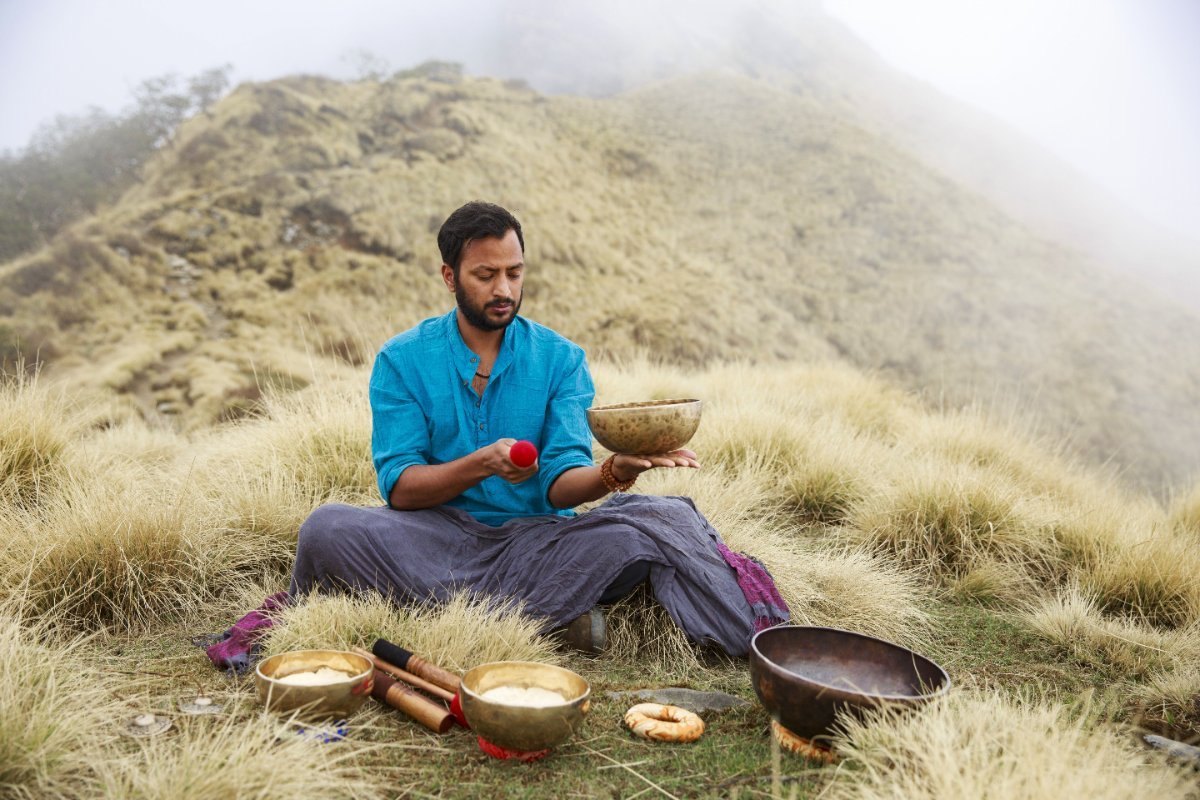
Anxiety is one of the most common mental health challenges of modern life, and millions of people search for natural, sustainable ways to manage it. Nepal, with its centuries-old meditation traditions, sacred monasteries, and Himalayan landscape, offers a uniquely powerful environment for anxiety relief through meditation. From Vipassana silent retreats to mantra chanting at Boudhanath Stupa, the practices available here address anxiety at its roots rather than masking symptoms. This guide explores how meditation in Nepal helps relieve anxiety, which techniques work best, where to go, and how to plan a healing journey in the Himalayas.
Whether you are a beginner exploring mindfulness for the first time or an experienced practitioner seeking a deeper immersion, Nepal provides authentic settings where meditation has been practiced for thousands of years. The combination of ancient wisdom, natural beauty, and accessible retreat infrastructure makes Nepal one of the world's premier destinations for anxiety-focused meditation travel. To understand the broader context of spiritual and wellness travel in Nepal, explore our complete guide to cultural and spiritual tours in Nepal or learn why we are recognized as the best trekking agency in Nepal for 2026.



Why Does Nepal Help With Anxiety Relief?
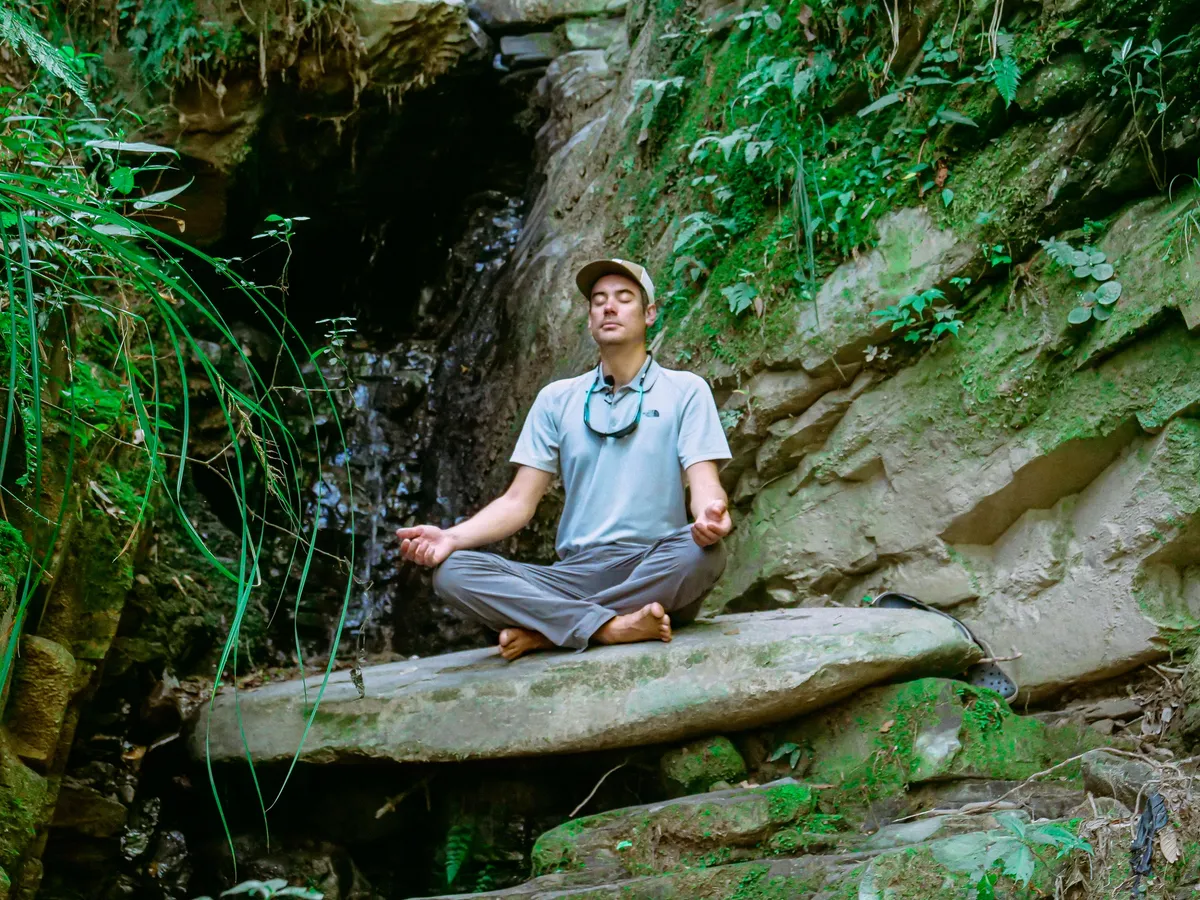
Nepal creates an ideal environment for anxiety relief through a convergence of natural, cultural, and spiritual factors. The Himalayan landscape naturally lowers cortisol levels, studies show that time spent in mountain environments reduces stress hormones and activates the parasympathetic nervous system. At altitudes between 1,300 and 2,800 meters, the air is thinner and cleaner, which encourages deeper breathing and naturally supports meditation practice.
Beyond the physical environment, Nepal's cultural fabric is woven with spiritual practice. Buddhist and Hindu traditions have coexisted here for over two millennia, and meditation is not an imported wellness trend but a daily way of life. Monasteries welcome visitors, monks and nuns teach openly, and the sound of chanting bells and singing bowls permeates the valley mornings. This immersive atmosphere makes it easier to maintain a consistent practice, which is the single most important factor in using meditation for anxiety management.
The affordability of retreats in Nepal also reduces a common anxiety trigger: financial stress. While a week-long meditation retreat in Europe or North America can cost thousands of dollars, equivalent programs in Nepal are available at a fraction of that cost, sometimes for free at monasteries that operate on donation basis. Our guide to budget meditation retreats in Nepal covers the most accessible options for cost-conscious travelers.
How Does Meditation Reduce Anxiety? The Science
Modern neuroscience has confirmed what Himalayan meditators have known for centuries: meditation physically changes the brain in ways that reduce anxiety. Regular meditation practice shrinks the amygdala, the brain region responsible for fear and stress responses, while strengthening the prefrontal cortex, which regulates emotions. A 2023 Harvard study showed that eight weeks of daily meditation reduced anxiety symptoms by 35 percent in participants with generalized anxiety disorder.
The key mechanisms through which meditation relieves anxiety include:
- Activated parasympathetic nervous system: Meditation shifts the body from fight-or-flight mode to rest-and-digest, lowering heart rate and blood pressure
- Reduced default mode network activity: The brain network responsible for rumination and worry becomes less active during and after meditation
- Increased GABA production: Meditation boosts gamma-aminobutyric acid, a neurotransmitter that calms the nervous system naturally
- Improved interoception: Regular practice enhances awareness of bodily sensations, allowing earlier detection of anxiety onset
- Decreased cortisol: Studies in Nepal's monastery settings show lower cortisol levels in long-term meditators compared to control groups
For a deeper understanding of how these brain changes occur in a Himalayan context, read our article on the history of meditation in Nepal from Buddha to modern retreats. The scientific findings align closely with what the Buddha taught 2,500 years ago in Lumbini, now one of Nepal's most important pilgrimage sites.


Which Meditation Techniques Work Best for Anxiety?
Not all meditation techniques work equally well for anxiety. Some practices are calming and grounding, while others can temporarily increase awareness of anxious thoughts before bringing relief. Understanding which technique to use and when is essential for a productive anxiety-focused retreat in Nepal.
Mindfulness of Breathing (Anapanasati)
Breath awareness is the foundational technique for anxiety relief because it directly regulates the nervous system. By focusing attention on the natural breath, you activate the vagus nerve, which triggers the relaxation response. This technique is taught at nearly every monastery and retreat center in Nepal, and our guide to pranayama and breathwork at altitude covers the specific breathing practices that help most with anxiety.
Vipassana (Insight Meditation)
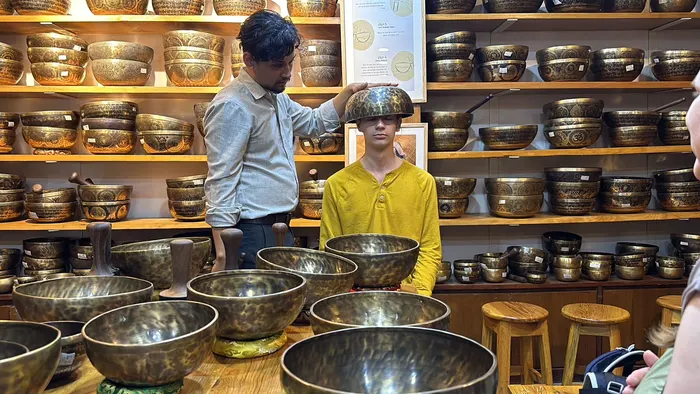
Vipassana teaches you to observe sensations and thoughts without reacting, which is particularly powerful for anxiety disorders characterized by catastrophic thinking. Ten-day silent Vipassana retreats are available at centers across Nepal, and our complete guide to Vipassana retreats in Nepal covers the schedule, expectations, and suitability for anxiety management.
Loving-Kindness (Metta) Meditation
Metta meditation cultivates compassion toward yourself and others, which directly counters the self-criticism and isolation that often accompany anxiety. This practice is especially helpful for social anxiety and anxiety rooted in self-doubt. Many monasteries in the Kathmandu Valley teach Metta as part of their daily practice, and our guide to Buddhist meditation and monastery stays in Nepal includes detailed information on where to learn this technique.
Mantra Chanting
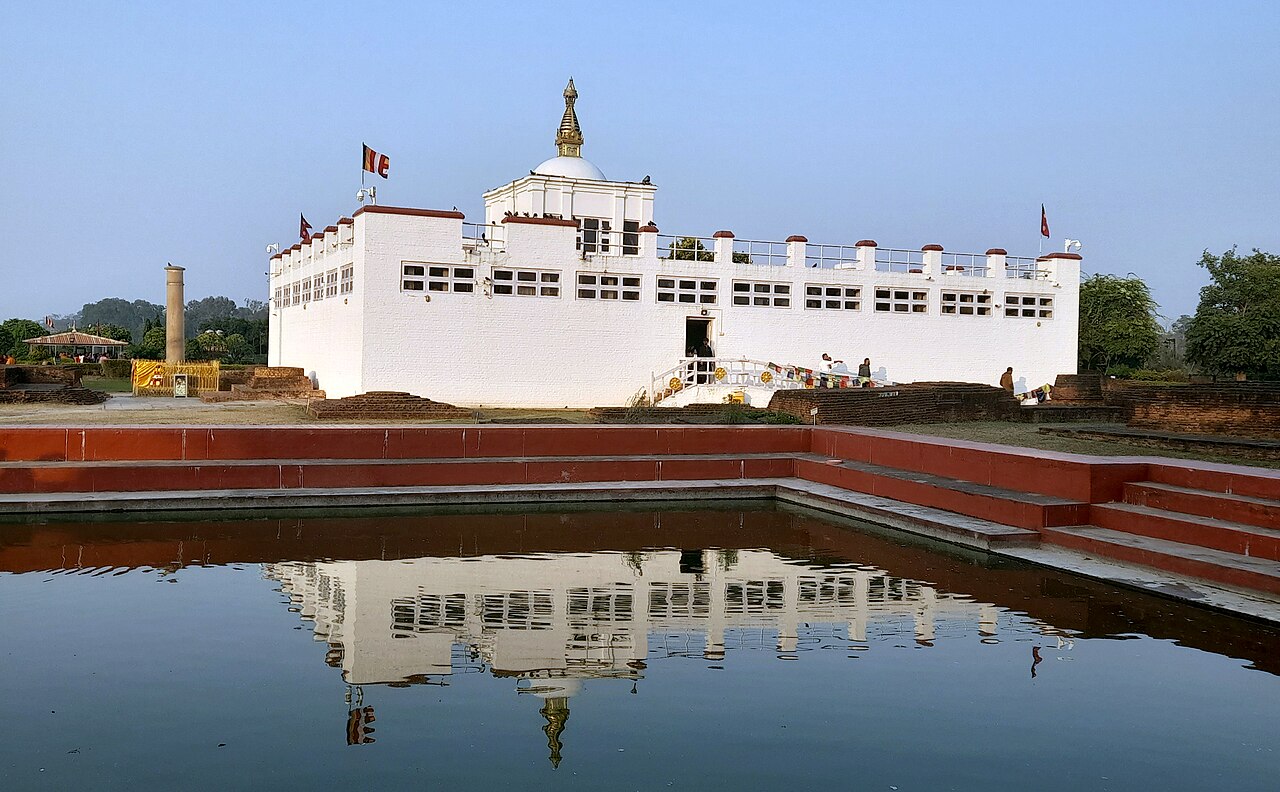
Repeating sacred syllables like "Om Mani Padme Hum" gives the anxious mind a single point of focus, reducing rumination. The vibrational quality of chanting also stimulates the vagus nerve through the vocal cords. Learn more in our guide to mantra meditation in Nepal.
Walking Meditation
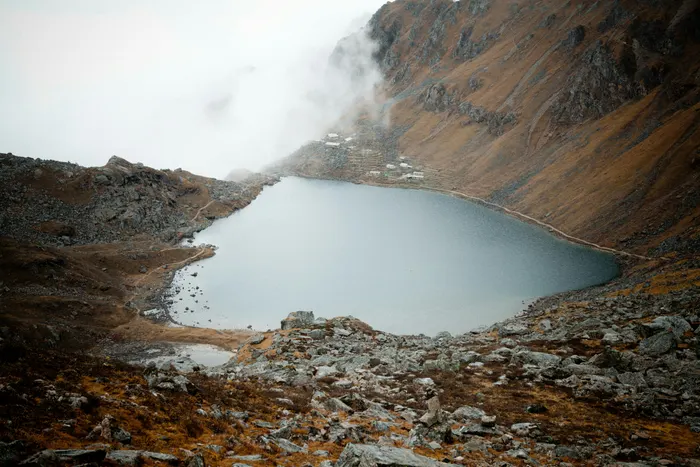
For people who find sitting still anxiety-provoking, walking meditation offers movement-based mindfulness that can be practiced on mountain trails. Our guide to walking meditation in Nepal explains how to combine trekking with mindfulness for anxiety relief in nature.

Where Are the Best Places in Nepal for Anxiety-Focused Meditation?
Nepal offers a range of environments for anxiety-focused meditation, from bustling valley monasteries to remote mountain hermitages. The right location depends on your experience level, preferred technique, and comfort with isolation.
Kathmandu Valley
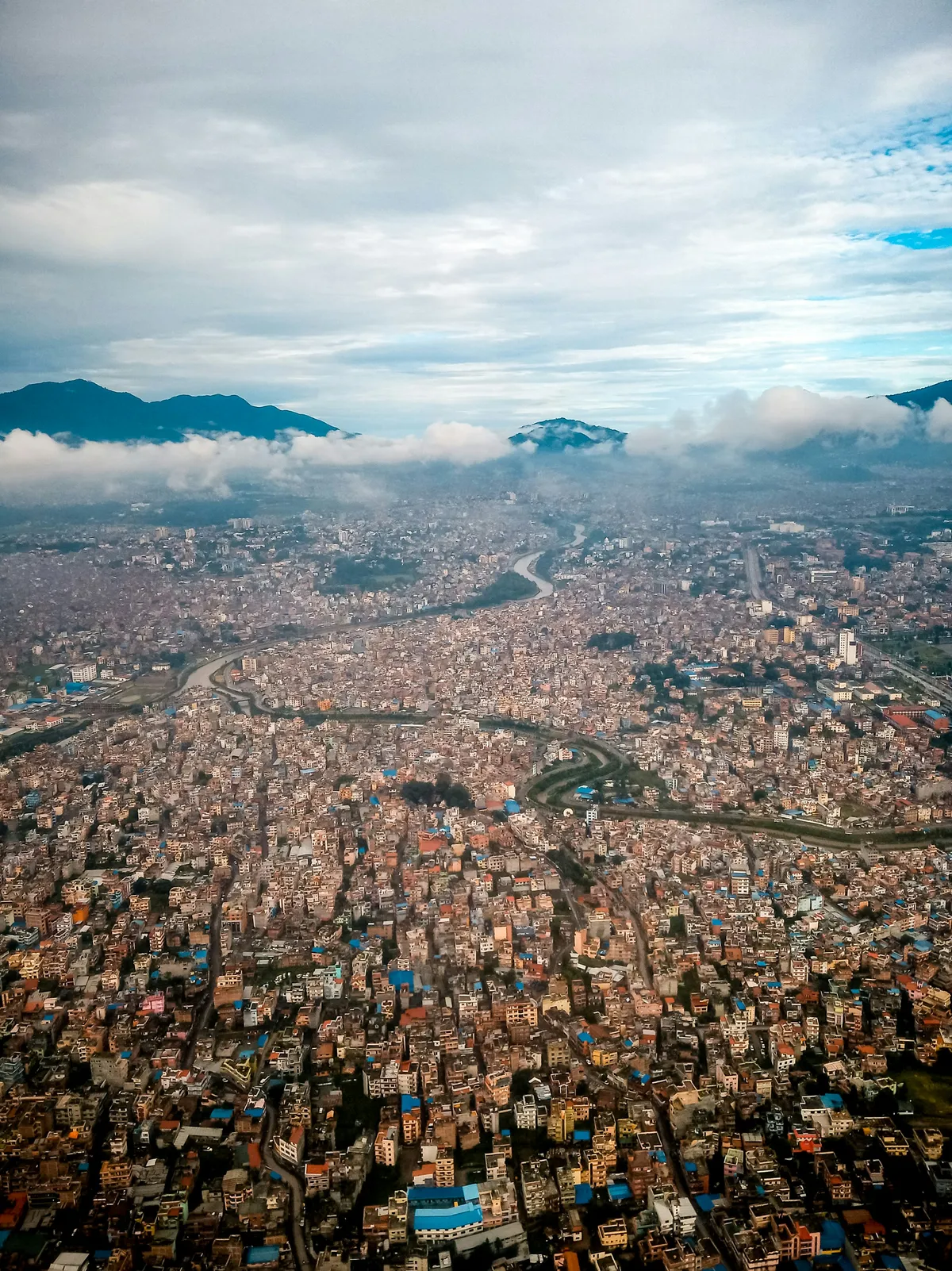
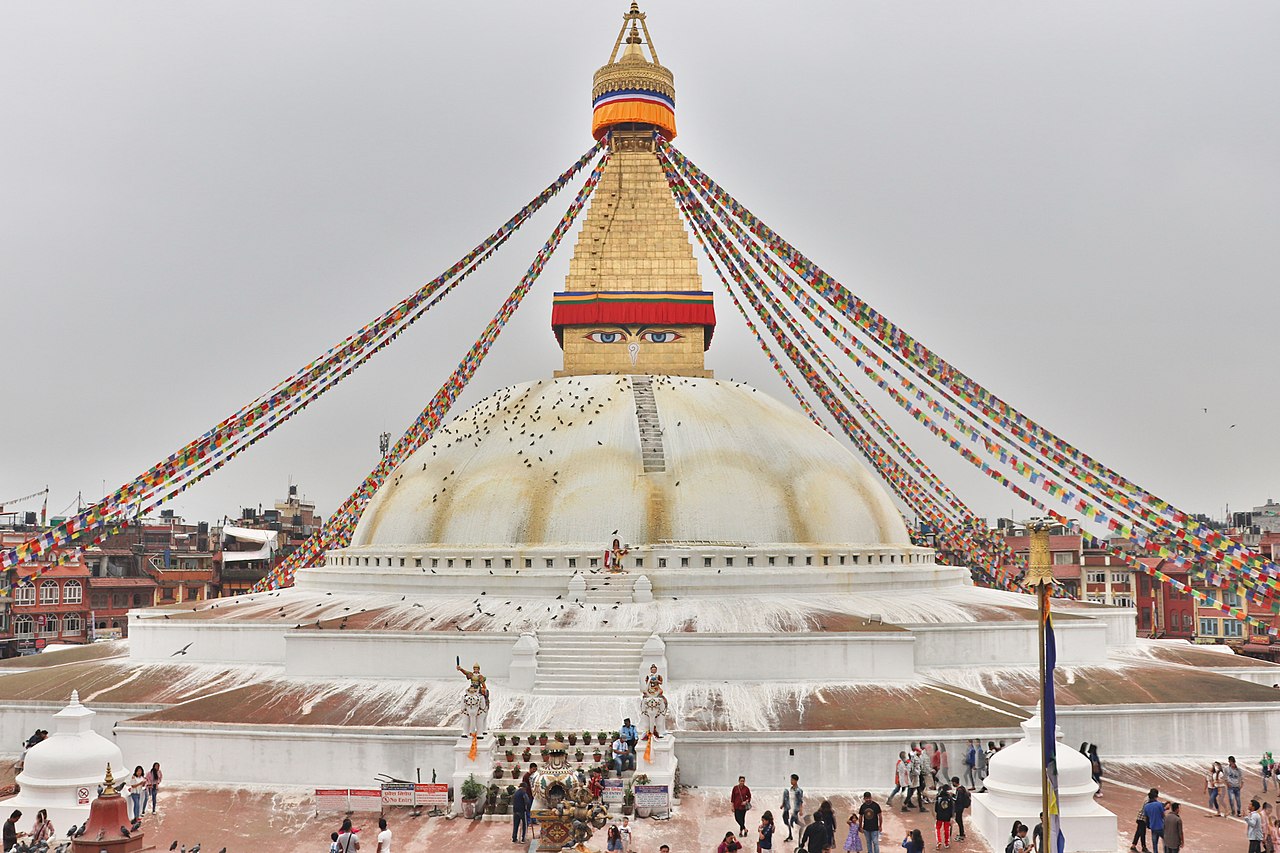
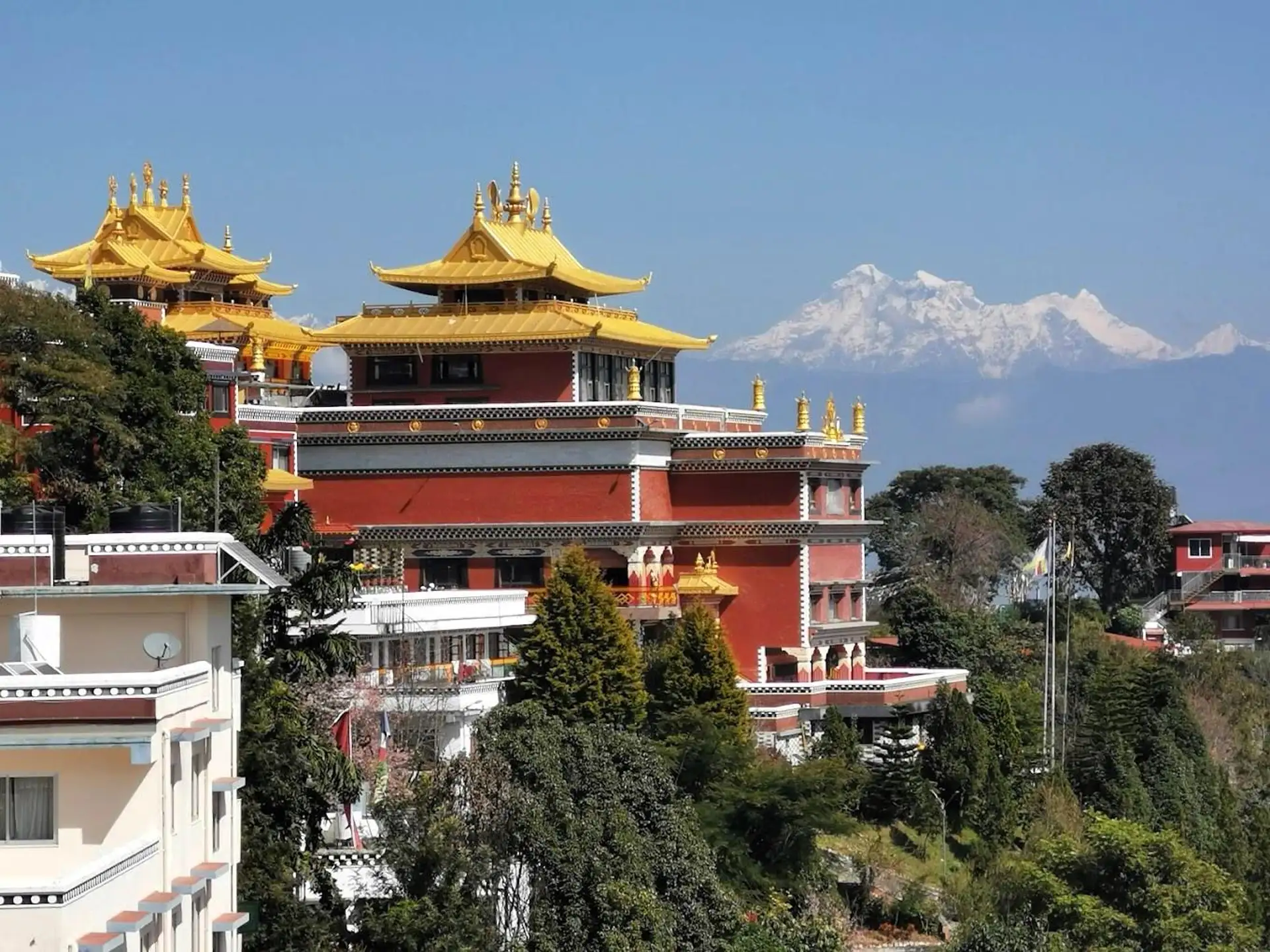
The Kathmandu Valley is the most accessible starting point for anxiety-focused meditation travel. It is home to major monasteries like Kopan, Boudhanath, and Swayambhunath, all of which offer courses and drop-in sessions. The valley's altitude of approximately 1,400 meters is comfortable for beginners and supports gentle acclimatization. For a structured introduction to the valley's spiritual sites, consider the Kathmandu Spiritual Circuit, which covers Pashupatinath, Boudhanath, and Swayambhunath.
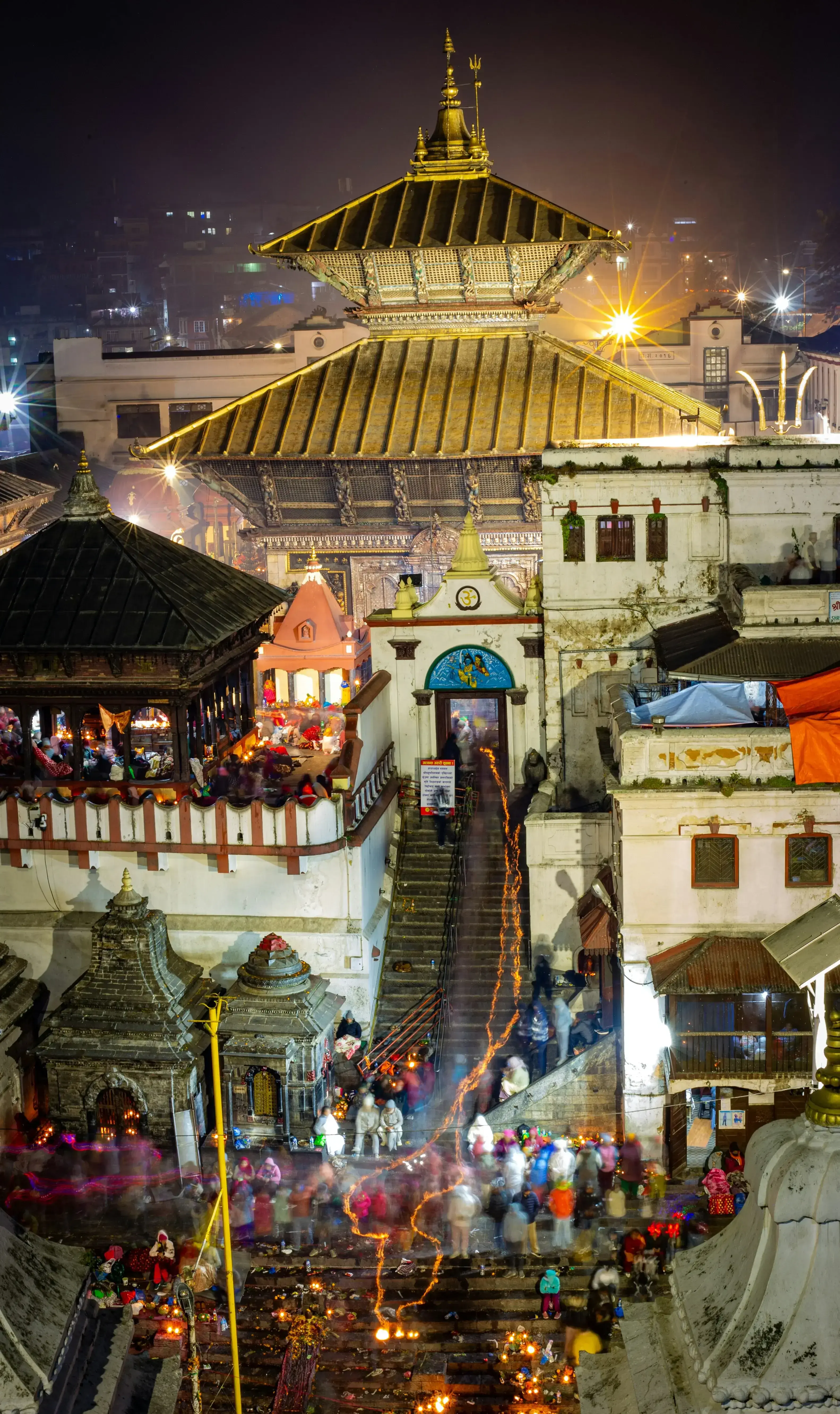
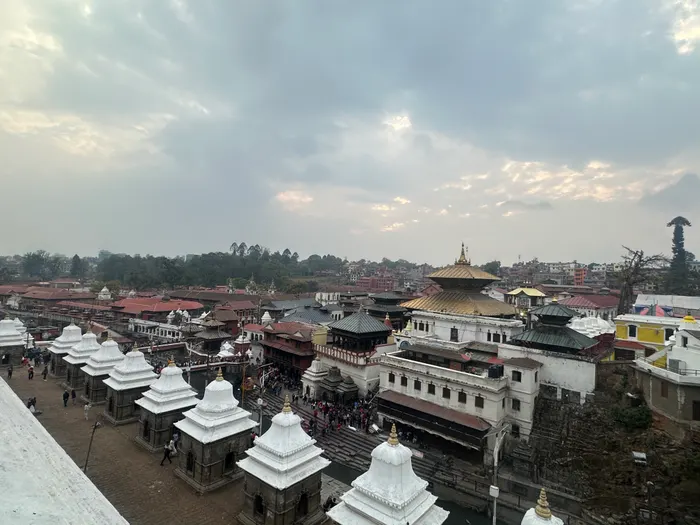
Kathmandu is also Nepal's center for healing practices. Learn more about the range of healing modalities available in our guide to Kathmandu as Nepal's center of healing, which covers Reiki, sound therapy, and meditation centers throughout the valley.
Lumbini
The birthplace of the Buddha offers a uniquely serene environment for anxiety relief. The Lumbini monastic zone is quiet, flat, and easy to navigate, making it ideal for gentle walking meditation. The sacred gardens provide a contemplative atmosphere that many practitioners find deeply calming. For a broader pilgrimage experience, our pillar guide to spiritual tours in Nepal covers Lumbini and other sacred sites in detail.
Pokhara and the Annapurna Region
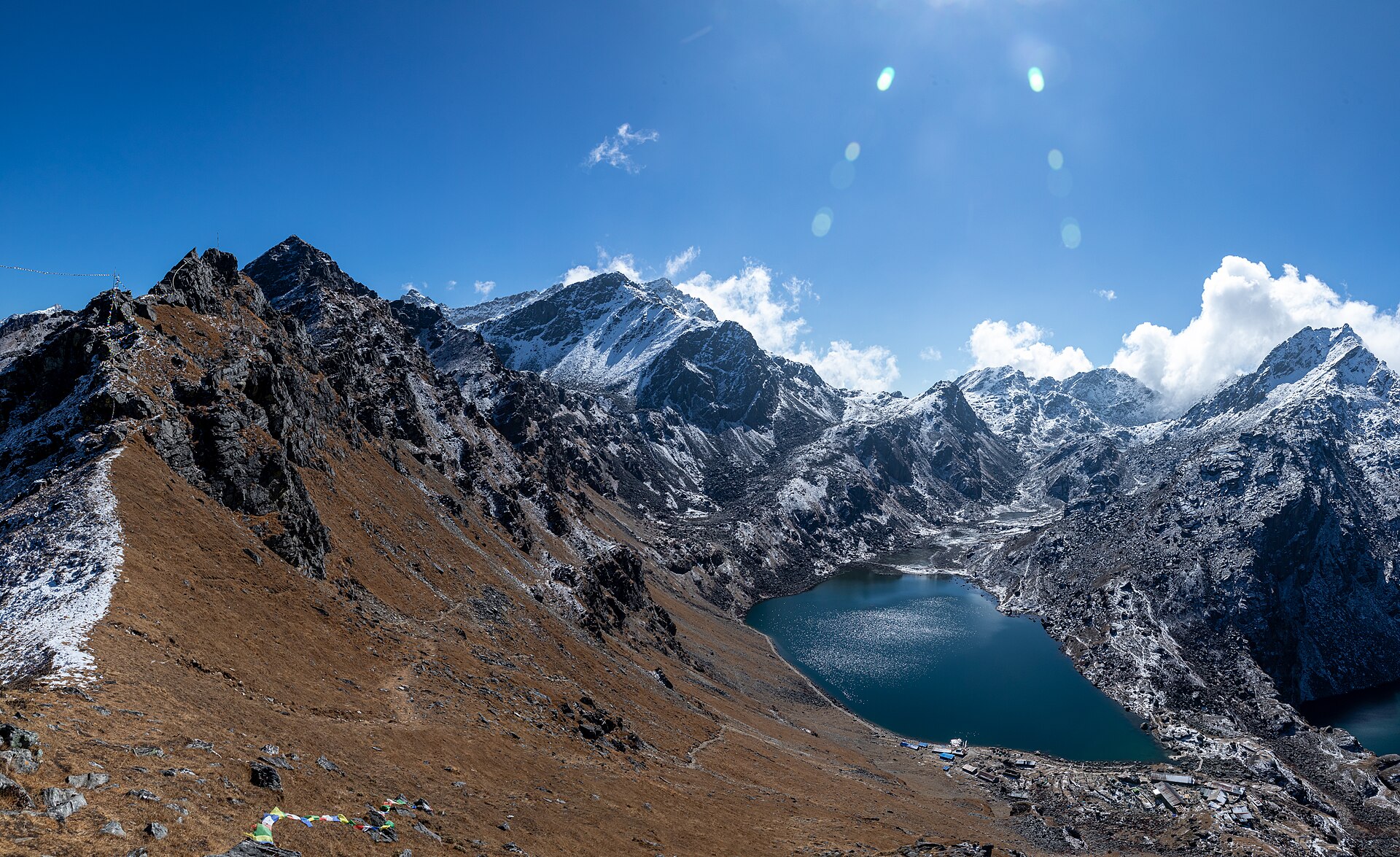
Pokhara's lakeside setting, with mountain views and a slower pace of life, makes it a natural choice for anxiety-focused retreats. The city has a growing number of yoga and meditation centers that combine practice with light hiking. For those interested in combining meditation with trekking, the guide to meditation and hiking in Nepal covers how to integrate stillness into trail time in the Annapurna region.
Remote Monasteries and Hermitages
For experienced practitioners seeking deep immersion, remote monasteries in Mustang, Helambu, and the Everest region offer multi-week retreats in spectacular isolation. These settings remove all external triggers and allow total focus on practice. However, they require emotional readiness, as isolation can intensify anxiety before it resolves. Our guide to silent meditation retreats in Nepal covers what to expect in extended silence.
How Long Should a Meditation Retreat for Anxiety Be?
The duration of your retreat significantly affects its anxiety-relieving outcomes. Shorter retreats of three to five days provide an introduction and can reduce acute anxiety, while longer retreats of seven to fourteen days allow deeper transformation. The ideal length depends on your experience level and the severity of your anxiety.
For beginners with anxiety, a three-day retreat is the most comfortable starting point. It provides enough time to learn basic techniques without overwhelming you with extended silence or isolation. The 3-Day Yoga Sound Healing Retreat in Kathmandu combines guided meditation with sound therapy, which is particularly effective for anxiety because the vibrations help regulate the nervous system without requiring mental effort.
For those with moderate anxiety who have some meditation experience, a six to seven-day retreat offers a deeper reset. The 6-Day Yoga Stress Management Retreat is specifically designed for stress and anxiety, combining meditation, yoga, and breathing practices in a structured daily schedule.
Experienced practitioners may benefit from ten-day Vipassana retreats, which provide the deepest level of anxiety transformation. However, these retreats involve total silence and long sitting periods, which can be challenging for people with severe anxiety. Our guide to choosing a meditation retreat in Nepal includes a detailed decision framework for matching retreat duration to your anxiety level and experience.
Can Meditation in Nepal Help With Severe Anxiety or Panic Attacks?
Meditation can be a powerful complementary tool for severe anxiety and panic attacks, but it should not replace professional treatment for clinical anxiety disorders. If you experience severe panic attacks, it is essential to consult a mental health professional before traveling to a retreat. That said, many people with diagnosed anxiety disorders have found significant relief through meditation practice in Nepal.
The key is to choose the right type of retreat. Silent Vipassana retreats may initially increase anxiety for people with panic disorder because the extended silence can amplify internal sensations. For severe anxiety, a guided retreat with a teacher available for one-on-one support is safer. Many centers in Kathmandu and Pokhara offer this format, combining group practice with individual guidance sessions.
Sound healing meditation is another excellent option for severe anxiety because it does not require sustained mental focus. The vibrations of singing bowls and gongs create a passive relaxation response, making it accessible even when anxiety makes concentration difficult. Our guide to sound healing meditation in Nepal covers the specific centers and techniques that work best for anxiety relief.
If anxiety is accompanied by physical symptoms, combining meditation with Ayurvedic bodywork can address both the mental and somatic dimensions. Our guide to meditation and Ayurveda in Nepal explains how these two traditions complement each other for holistic anxiety treatment.
What Does a Daily Schedule Look Like at an Anxiety-Focused Retreat?
A typical day at a meditation retreat in Nepal follows a structured rhythm designed to stabilize the nervous system. While schedules vary by center, most retreats share a similar framework:
- 6:00 AM: Morning bell and guided sitting meditation (45-60 minutes)
- 7:30 AM: Gentle yoga or stretching to release physical tension
- 8:00 AM: Breakfast (simple, vegetarian, easily digestible)
- 9:00 AM: Teaching session on meditation technique and anxiety management
- 10:30 AM: Walking meditation in gardens or on monastery grounds
- 12:00 PM: Lunch (main meal of the day)
- 1:30 PM: Rest period or personal practice
- 3:00 PM: Group meditation or chanting session
- 4:30 PM: One-on-one interview with teacher (for guided retreats)
- 5:30 PM: Evening chanting or ceremony
- 6:00 PM: Light dinner or fasting (some retreats skip evening meal)
- 7:30 PM: Final group sitting meditation
- 9:00 PM: Lights out
This schedule provides approximately six hours of formal meditation practice per day, interspersed with teachings, physical activity, and rest. The early wake-up aligns with the natural light cycle, which helps reset disrupted sleep patterns common in anxiety disorders. Our guide to building a daily meditation routine while traveling covers how to maintain this schedule after you return home.
How Much Does a Meditation Retreat for Anxiety Cost in Nepal?
Nepal offers anxiety-focused meditation retreats across a wide price range, from free monastery stays to luxury wellness escapes. The cost depends on accommodation quality, teaching format, included activities, and location.
Free and donation-based options are available at several monasteries in the Kathmandu Valley. These typically provide simple dormitory accommodation and meals in exchange for a voluntary contribution. The teaching quality is authentic and the spiritual environment is unmatched, but amenities are basic. Our guide to budget meditation retreats in Nepal lists the best free and low-cost options.
Mid-range retreats cost between $30 and $80 per day, including accommodation, meals, and guided sessions. These retreats offer private or shared rooms, experienced teachers, and structured programs specifically designed for stress and anxiety. The 3-Day Himalayan Sound Therapy Retreat at $288 falls in this category.
Luxury meditation retreats cost $100 to $300 per day, offering premium accommodation, spa services, organic cuisine, and personalized teaching. These retreats combine meditation with yoga, massage, and wellness treatments for a comprehensive anxiety reset. Our guide to luxury meditation retreats in Nepal covers the high-end options in detail. For the full cost landscape, see our spiritual tour cost guide for 2026 and 2027.
What Should You Pack for an Anxiety-Focused Meditation Retreat?
Packing for a meditation retreat in Nepal requires balancing comfort with simplicity. For anxiety relief, bringing familiar items that provide comfort is important, but overpacking can itself become a source of stress. Our meditation retreat packing guide for Nepal covers the essentials in detail, but key items for anxiety-focused retreats include:
- Comfortable meditation cushion: A familiar cushion can reduce physical discomfort that might trigger anxiety during long sits
- Journal and pen: Writing after meditation helps process anxious thoughts that arise during practice
- Earplugs and eye mask: Shared dormitory settings can be disruptive to sleep, which is critical for anxiety management
- Herbal teas: Chamomile, ashwagandha, and other calming teas support the nervous system between sessions
- Layers of comfortable clothing: Mountain mornings are cold and afternoons are warm, so layering prevents temperature-related discomfort
- Prescription medications: Continue any prescribed anxiety medications unless your doctor advises otherwise, and never discontinue medication for a retreat
The packing list for a meditation retreat differs from a trekking packing list because the focus is on stillness rather than movement. If you plan to combine meditation with light hiking, our meditation retreat packing list for Nepal covers both scenarios.
Is It Safe to Travel to Nepal for Meditation If You Have Anxiety?
Traveling to Nepal with anxiety is generally safe, but it requires preparation. The key concerns for anxiety-prone travelers are unfamiliarity, language barriers, and the chaos of Kathmandu's streets. These challenges are manageable with proper planning and by choosing a structured retreat rather than independent travel.
For solo travelers with anxiety, joining a guided program eliminates most logistical stress. Our guide to solo meditation travel in Nepal covers safety, logistics, and strategies for maintaining peace of mind while traveling alone. For couples seeking a shared healing experience, our guide to couples meditation retreats in Nepal explains how traveling with a partner can reduce anxiety through mutual support.
It is also important to consider altitude. Kathmandu Valley sits at 1,400 meters, which is generally comfortable, but retreats in higher areas like Mustang or Helambu may require acclimatization. Altitude can temporarily increase anxiety symptoms due to lower oxygen levels, so if you have a history of severe anxiety or panic attacks, start at lower altitudes and ascend gradually.
Travel insurance that covers mental health support and medical evacuation is essential. Some retreats in remote areas are days from the nearest hospital, so having coverage that includes helicopter evacuation provides peace of mind that itself reduces anxiety.
How Can You Maintain Anxiety Relief After Returning Home?
The most common challenge for meditation retreat participants is maintaining the benefits after returning to everyday life. The Himalayan environment makes meditation feel natural, but recreating that environment at home requires intention and structure.
The key to post-retreat maintenance is establishing a daily practice routine. Even twenty minutes of morning meditation can significantly reduce baseline anxiety levels. Our guide to building a daily meditation routine provides a step-by-step framework for creating a sustainable home practice, including how to set up a meditation space and how to handle days when motivation wanes.
Several techniques learned in Nepal can be practiced anywhere. Breath awareness requires nothing but your attention, making it accessible during a commute or a stressful work meeting. Mantra repetition can be done silently in any setting. Walking meditation can be practiced in a local park. The goal is not to replicate the Himalayan environment but to carry the inner stillness you cultivated there into your daily life.
Many retreat participants find it helpful to join a local meditation group or maintain contact with a teacher from Nepal via online sessions. Some of Nepal's meditation centers now offer follow-up online guidance specifically for international students who want to sustain their practice. If you trained as a meditation teacher in Nepal, our guide to meditation teacher training in Nepal includes information on teaching anxiety-focused meditation in your home community.
Can You Combine Meditation With Other Healing Practices in Nepal?
Nepal's wellness ecosystem offers multiple healing modalities that complement meditation for anxiety relief. Combining practices can address anxiety from physical, mental, and energetic dimensions simultaneously, often producing faster and more durable results than meditation alone.
Sound healing uses singing bowls and gongs to create vibrations that directly calm the nervous system. The guide to sound healing in Kathmandu covers where to experience this practice and how it complements meditation for anxiety. For a broader overview, our sound healing meditation guide explains the science behind vibrational therapy for anxiety.
Ayurvedic massage and bodywork releases physical tension that often accompanies anxiety. Abhyanga (warm oil massage) and Shirodhara (oil poured on the forehead) are particularly effective for anxiety because they directly soothe the vagus nerve. Learn more in our guide to certified Ayurveda and Panchakarma in Nepal.
Yoga combines physical movement with breath awareness, making it an ideal partner for meditation. Many retreat centers in Nepal offer integrated yoga and meditation programs. Our guide to yoga and meditation retreats in Nepal covers the best integrated programs for anxiety relief.
Shamanic healing addresses anxiety from a spiritual perspective, working with energy and consciousness in ways that complement Buddhist meditation. Our guide to shamanic healing tours in the Himalayas covers this ancient practice and its relevance to modern anxiety.
When Is the Best Time to Visit Nepal for a Meditation Retreat?
The timing of your meditation retreat affects both comfort and the overall experience. Nepal has four main seasons, each with distinct characteristics for meditation practice.
Spring (March to May) offers mild temperatures, blooming rhododendrons, and clear mountain views. This is one of the best seasons for outdoor meditation and combining retreat with light hiking. However, it is also peak tourist season, so popular centers book early.
Autumn (September to November) provides the clearest weather and most stable temperatures, making it ideal for meditation at all altitudes. Like spring, this is high season, so book at least two months in advance.
Winter (December to February) is quiet and peaceful, with fewer tourists and lower prices. Valley temperatures are cool but manageable, and the clear winter air is excellent for meditation. Higher-altitude retreats may be inaccessible due to snow.
Monsoon (June to August) brings rain, humidity, and cloud cover, which some practitioners find meditative. Retreats are less crowded and more affordable, but mountain views are limited and travel can be disrupted by landslides. For those who find rain calming, this season offers a uniquely introspective atmosphere.
For detailed seasonal planning, including weather patterns and festival timing that may enhance your retreat experience, see our pillar guide to spiritual tours in Nepal for 2026 and 2027.
What Should Beginners Know Before Their First Anxiety-Focused Retreat?
If you are new to meditation and planning your first retreat specifically for anxiety relief, several practical considerations will help you make the most of the experience.
First, do not expect immediate results. Meditation for anxiety is a cumulative practice, and the first few days of a retreat can actually increase anxiety as you become more aware of your thought patterns. This is normal and temporary. By the fourth or fifth day, most practitioners experience a noticeable shift toward calm. Our guide to meditation for beginners in Nepal covers what to expect at each stage of a first retreat.
Second, choose a guided retreat rather than a self-directed one. Having a teacher available for questions and support is crucial when anxiety arises. Look for programs that include one-on-one interviews or small group sizes. Our guide to choosing a meditation retreat in Nepal includes a checklist for selecting anxiety-friendly programs.
Third, be honest with the retreat center about your anxiety. Many centers in Nepal are experienced with international students who have anxiety and can adjust the schedule or provide additional support. If you have a diagnosed anxiety disorder, inform the center in advance so they can ensure appropriate accommodations.
Fourth, start with mindfulness meditation rather than Vipassana. Mindfulness is gentler and more accessible for beginners with anxiety. Our guide to mindfulness meditation in Nepal covers secular mindfulness programs that are particularly well-suited for anxiety management without religious context.
Can Family Members Join an Anxiety-Focused Meditation Retreat?
Family-friendly meditation retreats are available in Nepal, allowing parents and children to practice together in a supportive environment. Family meditation can reduce anxiety not only for individuals but for the family system as a whole, as shared practice creates common ground and mutual understanding.
Several centers in Pokhara and the Kathmandu Valley offer family packages that include age-appropriate meditation instruction for children alongside adult programs. The Pokhara Yoga Wellness Retreat welcomes families and can accommodate different practice levels. For a broader spiritual experience that the whole family can share, the 10-day spiritual circuit combines meditation with cultural visits that engage all ages.
For families dealing with collective anxiety or stress, practicing together during a retreat and then maintaining a shared meditation routine at home can transform family dynamics. Even five minutes of family meditation before dinner can create a grounding ritual that reduces household stress.
How Does Chakra Meditation Address Anxiety Specifically?
Chakra meditation works with the body's energy centers to address anxiety at an energetic level. Each chakra is associated with different emotional patterns, and anxiety often involves imbalances in the root chakra (related to safety and survival) and the solar plexus chakra (related to control and self-worth).
By directing attention and breath to these energy centers, chakra meditation can release deeply held anxiety patterns that talk therapy alone may not reach. Our guide to chakra meditation in Nepal covers the specific practices for each chakra and how they relate to anxiety relief. When combined with sound healing, which uses specific frequencies to balance chakras, this approach can be particularly effective for chronic anxiety that has not responded to other interventions.
What Role Does Monastery Etiquette Play in Anxiety Relief?
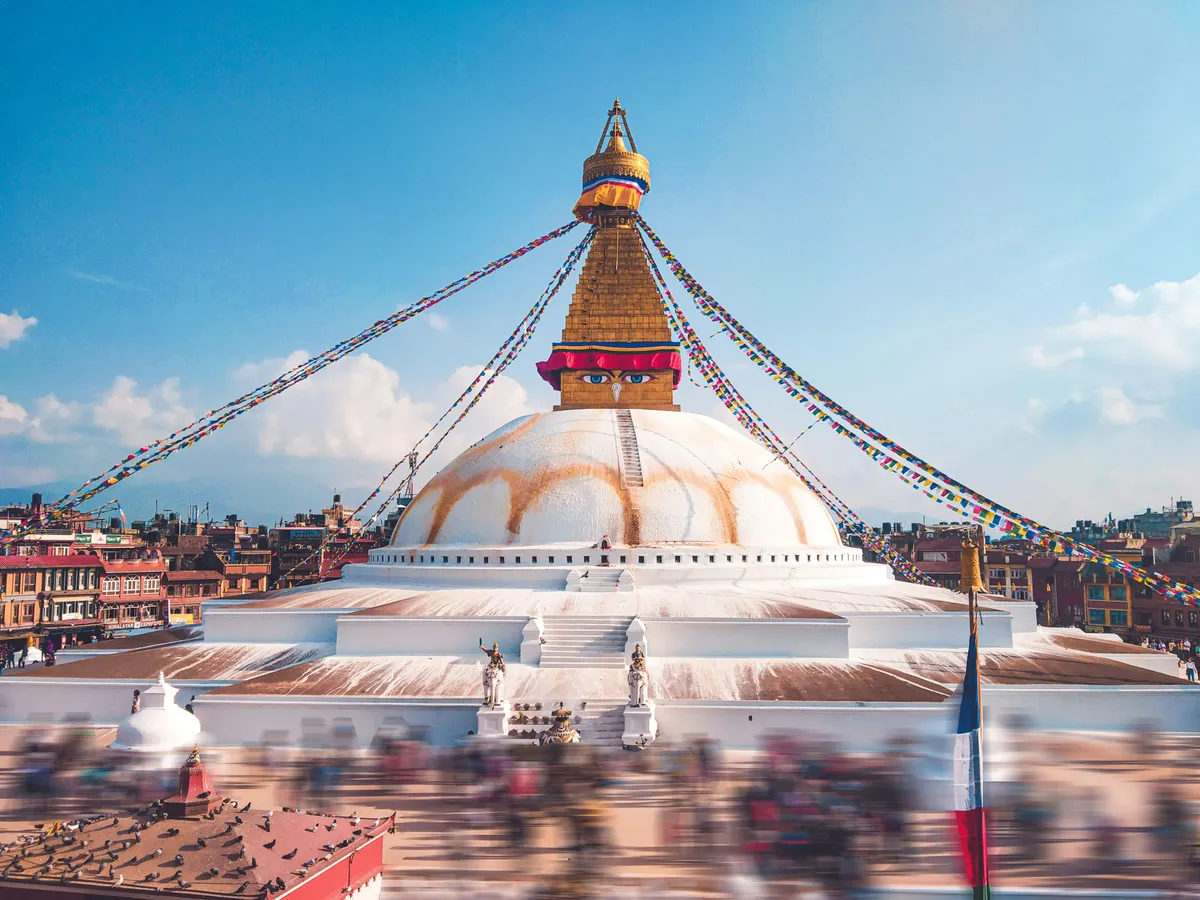
Understanding monastery etiquette is not just about cultural respect; it also contributes to anxiety relief. When you know how to behave in a monastery setting, you reduce social anxiety and can focus fully on your practice. The structured nature of monastery life, with its clear expectations and routines, is itself therapeutic for people whose anxiety is worsened by uncertainty.
Learning proper etiquette, from how to enter a shrine room to how to interact with monks and nuns, removes a layer of social concern that might otherwise distract from meditation. Our monastery etiquette meditation activity in Kathmandu provides hands-on instruction. For a broader spiritual experience, attending an evening aarati ceremony offers a structured group practice that can reduce anxiety through collective chanting and ritual.
Nepal's meditation tradition offers something that modern anxiety treatments often lack: a holistic approach that addresses the mind, body, and spirit simultaneously. Whether you choose a three-day sound healing retreat in Kathmandu, a ten-day silent Vipassana in Lumbini, or a walking meditation trek in the Annapurna foothills, the Himalayan environment and ancient practices create conditions for genuine transformation. Anxiety does not disappear overnight, but with consistent practice in the right setting, it becomes manageable, and the peace you cultivate in Nepal's mountains can last long after you return home. If you are ready to begin your healing journey, explore our meditation in Nepal programs and find the retreat that matches your needs.